CEA Has Evolved, Promising Both Impact and Profitability

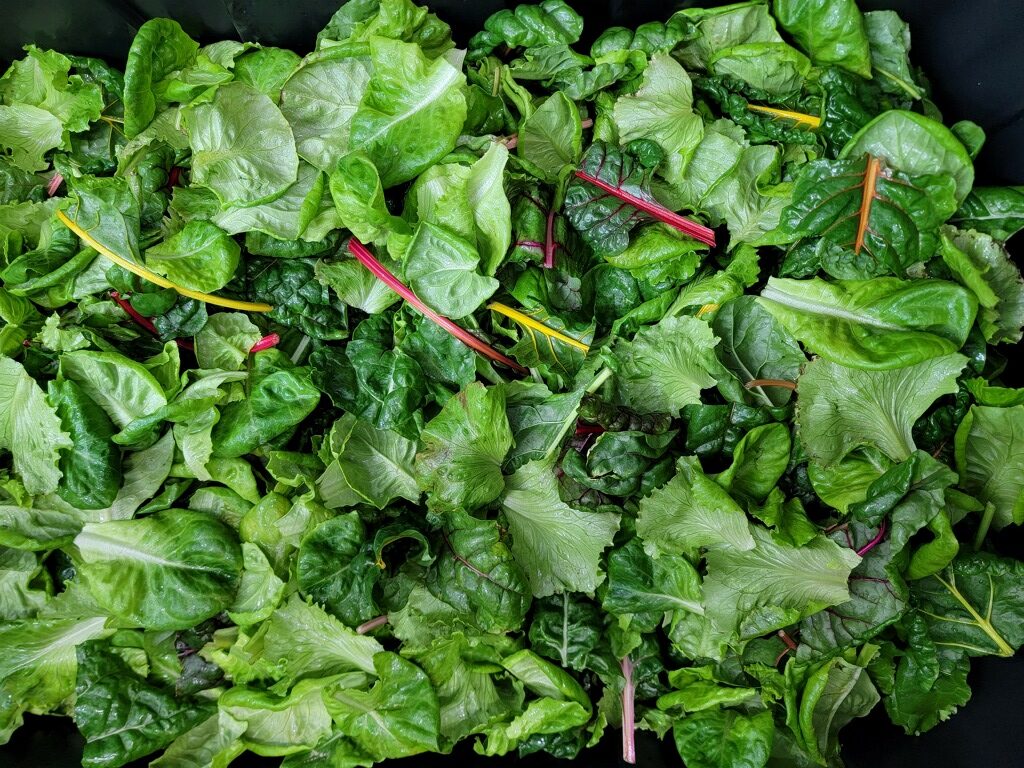
Over the last 15 years, controlled-environment agriculture has earned widespread attention for its ability to grow fresh leafy greens year-round in almost any environment, and rightly so. Leafy greens are one of the most efficient, nutritious and impactful crops produced in controlled-climate systems. But the evolution of CEA has revealed something even bigger: these systems are becoming versatile platforms capable of serving both mission-driven organizations and profit-driven businesses alike, bringing other crop types to the forefront.

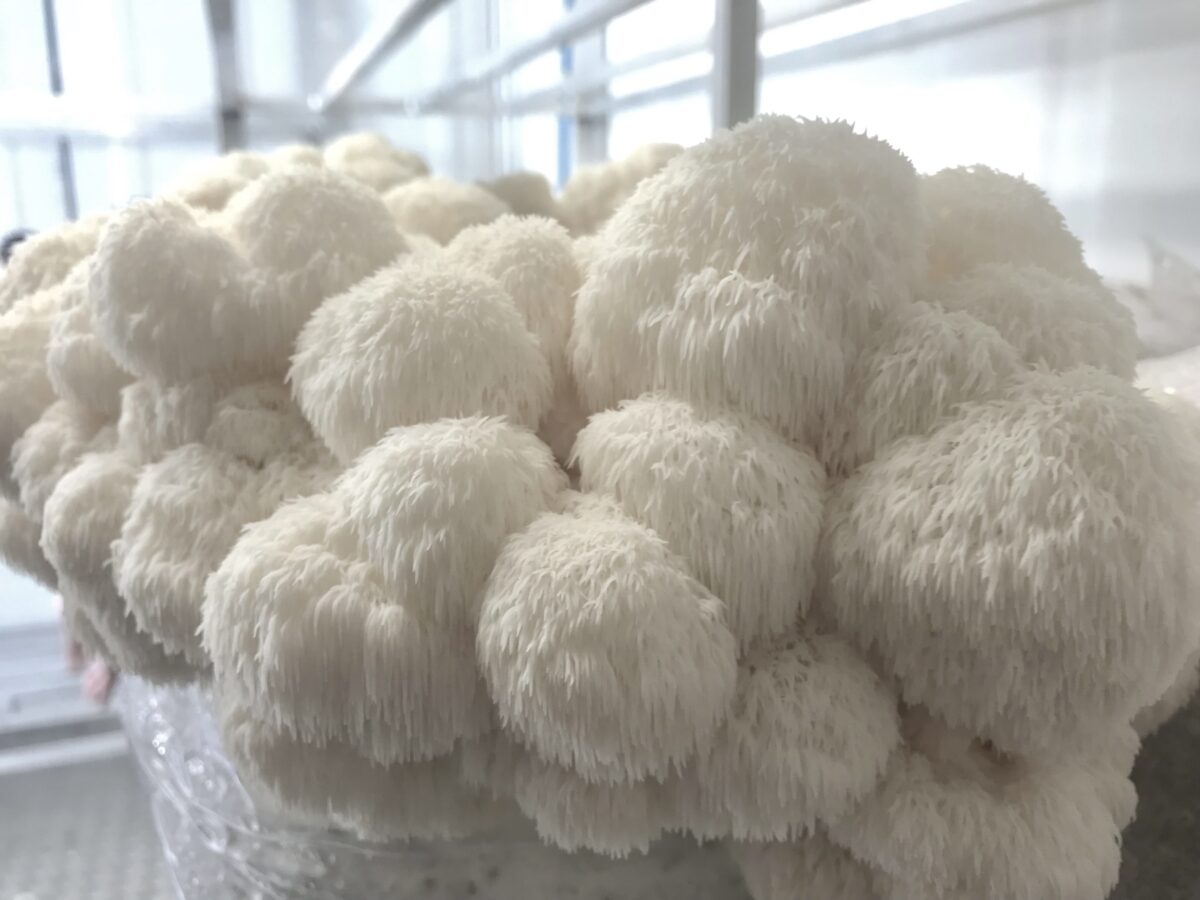
Lion’s mane mushrooms are a powerful revenue generator for businesses, and demand continues to grow.

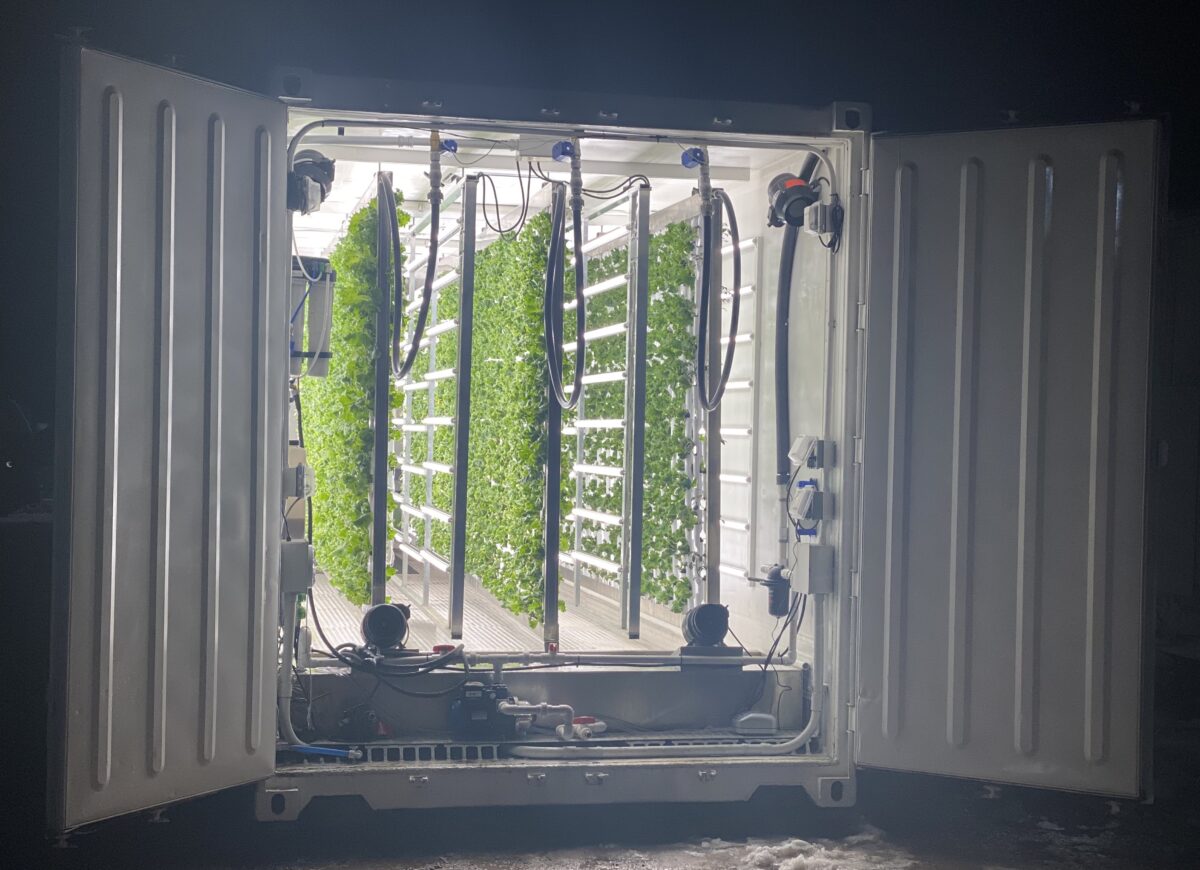
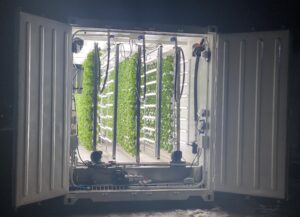
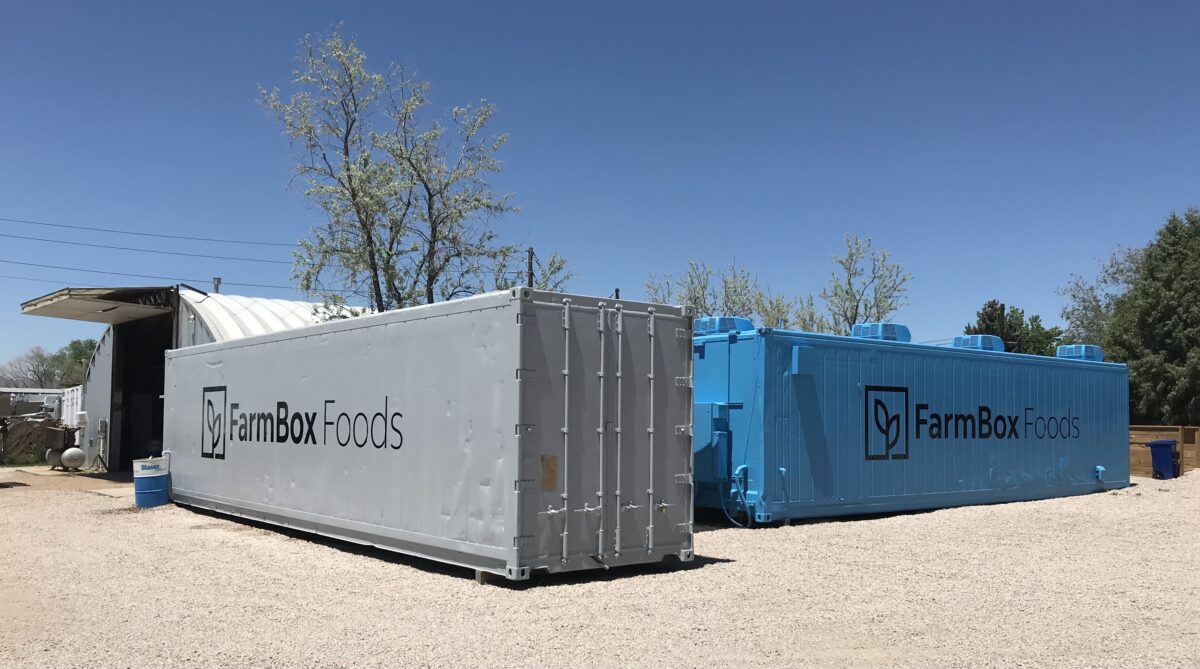
These days, container farms and other controlled-environment systems are being used not only to produce lettuce, kale and herbs, but also gourmet mushrooms, fodder, medicinal crops and specialty produce that can transform local economies and communities.

For nonprofits and community organizations, CEA offers a powerful tool for social impact. Food insecurity continues to affect urban neighborhoods, rural towns, islands and remote communities across the globe. Traditional supply chains are often expensive, unreliable or vulnerable to weather disruptions. Controlled-environment systems provide a way to grow fresh food consistently, locally and with significantly less water and land than conventional agriculture.

Community-focused growing programs can create far-reaching benefits beyond food production alone. Schools can use container farms as hands-on STEM education centers. Food banks and nonprofits can produce fresh, nutrient-dense crops year-round instead of relying entirely on donations. Workforce development programs can train participants in agriculture technology, food systems and sustainability practices. In correctional facilities and rehabilitation programs, controlled-climate farming can provide vocational skills that lead to employment opportunities after release (see how a FarmBox is being utilized at FCI-Coleman Low in Florida).

Gourmet mushrooms are becoming an especially compelling crop for nonprofit and social enterprise models because they require relatively little space, thrive in controlled conditions and can generate meaningful economic value. Oyster, lion’s mane and shiitake mushrooms can often be grown in environments where traditional farming would be impossible. For organizations seeking to create sustainable funding streams, mushrooms offer a unique cross-section of nutrition, education and revenue generation.

At the same time, the private sector is increasingly recognizing the profitability potential of CEA beyond traditional greens production. Consumer demand for specialty foods continues to rise, especially among restaurants, chefs, health-conscious consumers and local grocery markets. Gourmet mushrooms have emerged as one of the most attractive opportunities within this space.

Unlike many commodity crops, specialty mushrooms command premium pricing and appeal to multiple industries simultaneously. Restaurants value their flavor profiles and culinary versatility. Health and wellness consumers are increasingly drawn to functional mushrooms associated with focus, immunity and overall wellness. Retailers appreciate locally grown products with short supply chains and consistent quality. In terms of profitability in CEA, mushrooms are now king.

Controlled-environment mushroom production offers businesses advantages in predictability and scalability. Environmental conditions can be tightly managed to optimize yields and consistency regardless of external weather conditions. Production cycles are relatively fast — usually around 5 weeks — allowing growers to respond quickly to market demand. Because mushrooms can be cultivated in a container farm, operators can maximize production within compact footprints, making them ideal for urban and distributed farming models.

Importantly, the growth of mushrooms within CEA should not be viewed as replacing leafy greens production. Instead, it highlights the growing flexibility of controlled-climate agriculture as a whole. Leafy greens remain foundational to the industry because they provide reliable nutrition, efficient turnover and broad consumer demand. In many cases, greens production serves as the entry point that demonstrates the viability of local food systems (see Primitive Greens, which grows both crops in Grand Cayman).

What’s changing is the realization that controlled-environment agriculture is not limited to a single crop category. The same innovation that allows communities to grow lettuce during winter storms can also empower entrepreneurs to cultivate high-value mushrooms near major markets. The same systems that help nonprofits address food insecurity can help businesses build resilient revenue streams.

As global food systems face increasing pressure from climate volatility, water scarcity and supply chain disruptions, versatility will become one of agriculture’s greatest strengths. Controlled-environment agriculture is proving that it can support both purpose and profit, creating opportunities to feed communities, educate future growers and build sustainable businesses all at the same time.

Making Farming Accessible, Achievable for the Next Generation of Growers

There’s a time in almost every industry when an impactful shift upends what doing business looks like.

Farming has always been the backbone of society, but for many young people today, the idea of becoming a farmer feels out of reach. Land is expensive, climate conditions are unpredictable and the upfront costs of equipment and infrastructure can be overwhelming. That’s where automated container farms come in, offering a new pathway for the next generation of farmers to thrive.

Unlike traditional models, container farms don’t require hundreds of acres or decades of experience passed down from family. They’re compact, climate-controlled and highly efficient. Most importantly, they harness automation and technology, which makes them a natural fit for younger generations who grew up with smartphones, data analytics and digital tools at their fingertips. With sensors that monitor and control environmental conditions, automated watering and nutrient delivery systems, and detailed dashboards that track results, farming suddenly becomes less about guesswork and more about innovation.

This shift doesn’t just make agriculture more approachable, it makes it exciting. Young people who might never have considered farming can now view it as a career rooted in technology, sustainability and entrepreneurship. Container farms offer consistent, year-round production regardless of outside weather conditions, which speaks directly to a generation deeply concerned about climate change and food security. The controlled environment also uses a fraction of the water and land required by traditional farming, aligning with values of environmental stewardship that many young people hold close.

At the same time, container farms double as living classrooms. Schools, universities and community organizations are already using them to teach students about biology, engineering, natural resources, coding and even business management. Hands-on experience with these systems not only connects learners to where food comes from, but also equips them with skills they can carry into careers in ag-tech, sustainability or entrepreneurship. It’s a form of education that blends science with purpose, and it leaves a lasting impression.

Perhaps most empowering of all is the way container farms connect young people to their communities. These systems allow farmers to grow fresh food locally, reduce reliance on long supply chains and provide nutritious produce to underserved areas. Many young entrepreneurs are finding purpose in this mission, using container farms to build small businesses that serve both their neighborhoods and the environment. By removing many of the traditional barriers to farming, container farms open the door to opportunity and impact.

At its core, this movement is about redefining what it means to be a farmer. Agriculture is no longer confined to wide-open fields and unpredictable harvests. With the rise of automated container farms, farming has become a forward-thinking, tech-enabled career choice that blends innovation with sustainability. For the next generation, it’s not just about growing food—it’s about shaping the future of our food systems in a way that is accessible, resilient, and deeply meaningful.

How Growing Veggies Near the Consumer Benefits Everyone

Growing vegetables near the consumer is an excellent idea for several compelling reasons, starting with freshness and nutritional value.

Vegetables that are grown locally and consumed shortly after harvesting retain more of their nutritional content compared to those that are transported over long distances (A head of lettuce travels an average of 2,000 miles before it arrives on plates in the U.S.). Hyperlocal growing means consumers receive fresher produce with higher levels of vitamins, minerals, and other beneficial compounds. The reduction in time between harvest and consumption helps to preserve the taste and texture of the vegetables, enhancing the overall eating experience.

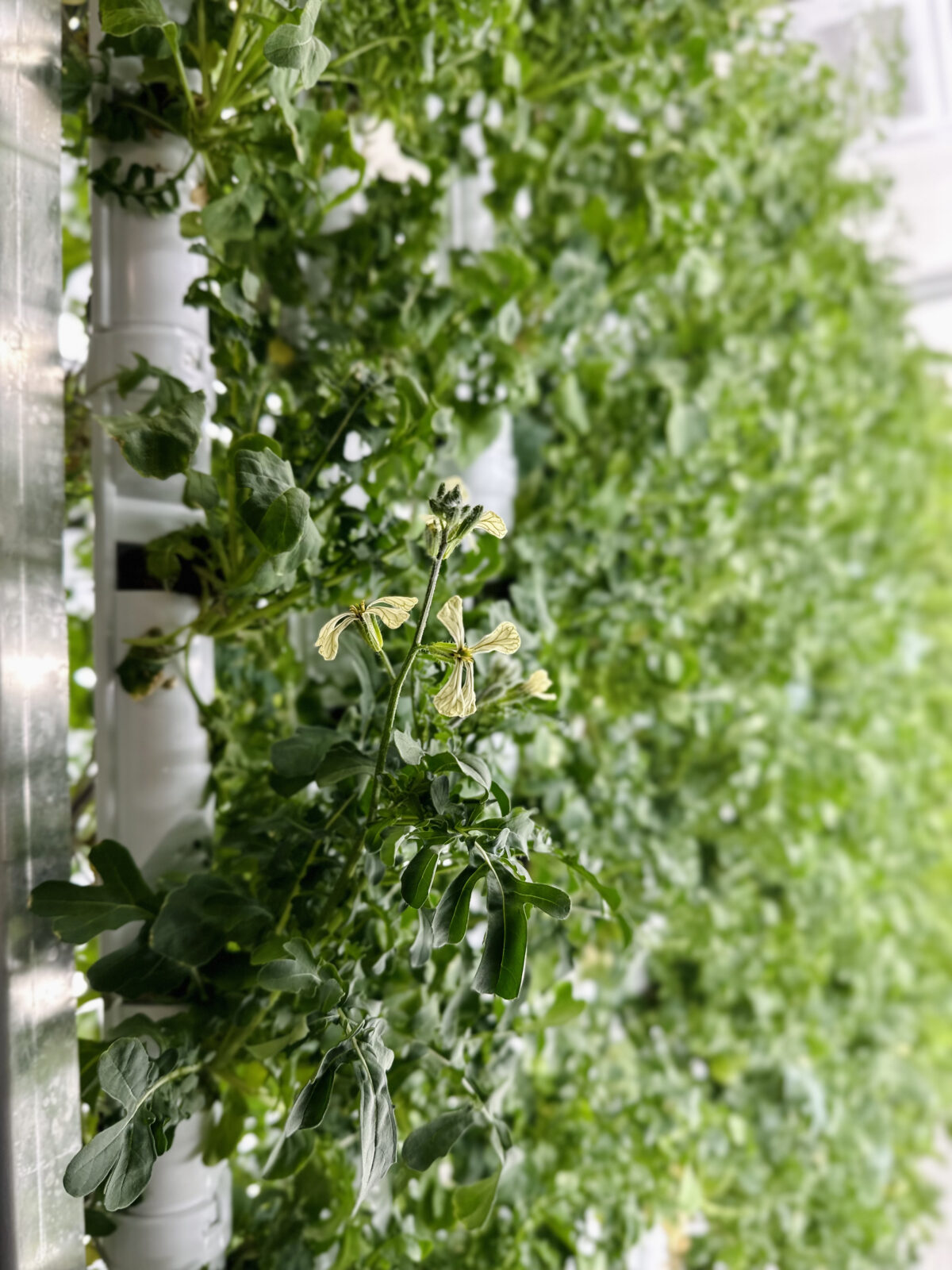
Another significant benefit is the environmental impact. Growing vegetables near the consumer reduces the need for long-distance transportation, which in turn decreases greenhouse gas emissions and the carbon footprint associated with food distribution. This localized approach minimizes the use of fossil fuels and reduces the pollution associated with refrigeration and packaging necessary for long-haul transport. Additionally, local farming practices, especially those conducted in low-water-usage, small-footprint hydroponic container farms, often employ more sustainable and eco-friendly methods, which can contribute to the conservation of biodiversity and the health of local ecosystems.

Economic advantages also play a crucial role in the argument for local vegetable production. Supporting local farmers boosts the local economy by keeping money within the community and creating jobs. This can lead to more resilient and self-sufficient local economies, where consumers have a direct relationship with the producers. This relationship can foster a sense of community and trust, as consumers can learn more about where their food comes from and how it is grown, often leading to higher standards and more ethical farming practices.

AND growing vegetables near the consumer promotes food security and resilience. Local food systems are less vulnerable to global supply chain disruptions, such as those caused by natural disasters, political instability, or pandemics. By decentralizing food production, communities can ensure a more reliable supply of fresh vegetables. This local focus also encourages urban and peri-urban agriculture, which can utilize otherwise underused spaces like rooftops, vacant lots, and community gardens, further contributing to food availability and community engagement in sustainable practices.