Nonprofits, Businesses Turn to Container Farms to Support Missions

Every organization has a mission. For some, it’s feeding people in need. For others, it’s educating students, supporting local food systems, creating sustainable housing communities or providing restaurants with the freshest ingredients possible.

What unites a growing number of these organizations is their use of container farm technology to help achieve those goals.

FarmBox Foods’ controlled-climate hydroponic farms and gourmet mushroom farms are being deployed by nonprofits, schools, restaurants, agricultural businesses, healthcare organizations and residential communities across North America. While each customer has unique objectives, they all leverage the same core advantage: the ability to grow fresh food year-round, almost anywhere.

Nonprofits Fighting Food Insecurity

For many nonprofit organizations, access to fresh food is a central part of their mission.
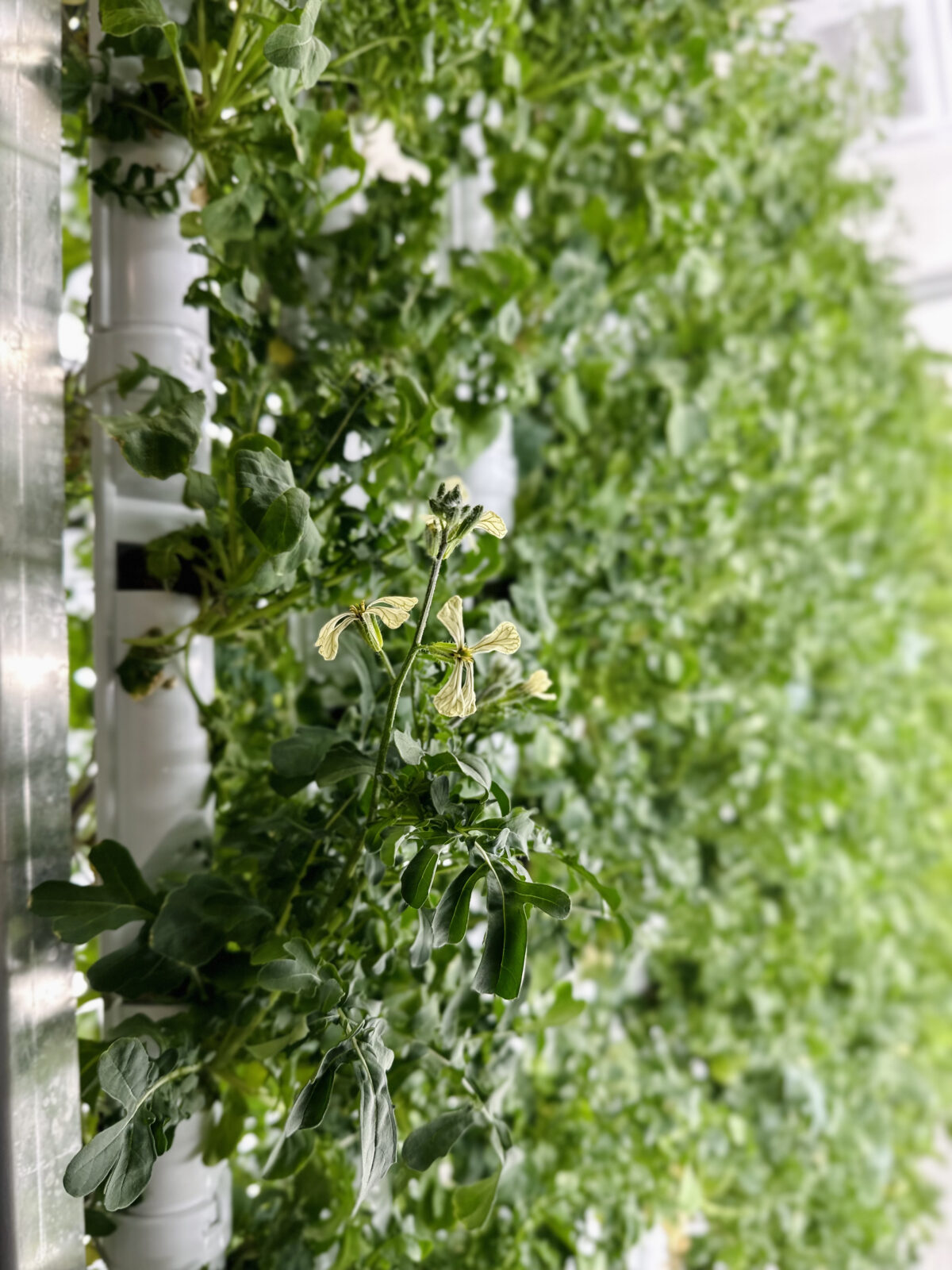
FarmBox Foods has also partnered with community organizations focused on increasing food access in underserved neighborhoods. Programs such as the Focus Points Family Resource Center initiative in Denver’s Globeville, Elyria and Swansea neighborhoods use container farming technology to bring fresh produce directly into communities that have historically lacked reliable access to healthy food. Village Family Farms in Cleveland is another example of urban growers supplying their common city with healthy food.

Schools Creating Living Classrooms

Educational institutions have discovered that a container farm is much more than a food-production system. It becomes a hands-on learning laboratory.

At South Carolina Governor’s School for Science & Mathematics, a FarmBox Foods hydroponic farm serves as a research lab where students explore biology, engineering, environmental science, robotics and agriculture. The facility supports research projects while helping students tackle real-world challenges related to food production and sustainability.

Schools such as EPIC Campus, Venture Academy of Leadership and Entrepreneurship, Morgan Community College and The Villages Charter School use FarmBox Foods technology to teach plant science, business, nutrition, entrepreneurship and sustainable agriculture. Students gain practical experience while producing fresh food that benefits cafeterias, local nonprofits and community organizations.

Restaurants Building Hyper-Local Supply Chains

Restaurants are increasingly looking for ways to improve freshness, reduce transportation costs and strengthen sustainability efforts.

Denver-based restaurant group Edible Beats installed a FarmBox Foods Vertical Hydroponic Farm known as BeatBox Farms to supply several of its restaurants with fresh greens and herbs. By growing produce just steps away from where it is consumed, the company has greater control over quality while reducing food miles and waste.

Other operators, including gourmet mushroom producers and farm-to-table businesses, use FarmBox Foods technology to provide chefs and customers with premium products harvested at peak freshness. Businesses such as Tooth & Gill Mushroom Co., Cannolo Family Farms and Fresh365 have built successful local food enterprises around container-based food production.

Farmers Expanding Production Capacity

Traditional farmers are also adopting controlled-environment agriculture to diversify revenue streams and improve operational resilience.

Operations like Boone’s Lick Heritage Farm use FarmBox Foods mushroom farms to expand gourmet mushroom production, serve restaurant customers and create value-added products. These systems allow growers to produce specialty crops year-round regardless of weather conditions, helping stabilize income and meet growing consumer demand for locally produced food.

Residential Communities Enhancing Quality of Life

The benefits of local food production extend beyond commercial agriculture.

At Barham Villas, a multifamily residential community in southern California, residents receive free, fresh produce grown inside an on-site FarmBox Foods Vertical Hydroponic Farm. Any excess harvest is donated to nonprofit organizations, creating a model that combines sustainability, resident wellness and community impact.

A Common Goal: Stronger Communities

Whether the customer is a nonprofit feeding families, a school educating future innovators, a restaurant sourcing ingredients, a farmer expanding production or a housing developer creating unique amenities, the outcome is remarkably similar: greater access to fresh food, stronger local food systems and increased community resilience.

FarmBox Foods technology enables organizations to align food production with their missions, transforming underutilized spaces into productive assets that deliver measurable social, educational, environmental and economic benefits. As more organizations seek ways to strengthen food security and sustainability, controlled-environment agriculture is proving to be much more than a growing method; it’s becoming a mission-enabling tool that helps organizations make a lasting and meaningful impact in the communities they serve.
FarmBox Foods Grateful for ‘Coolest Thing’ Recognition

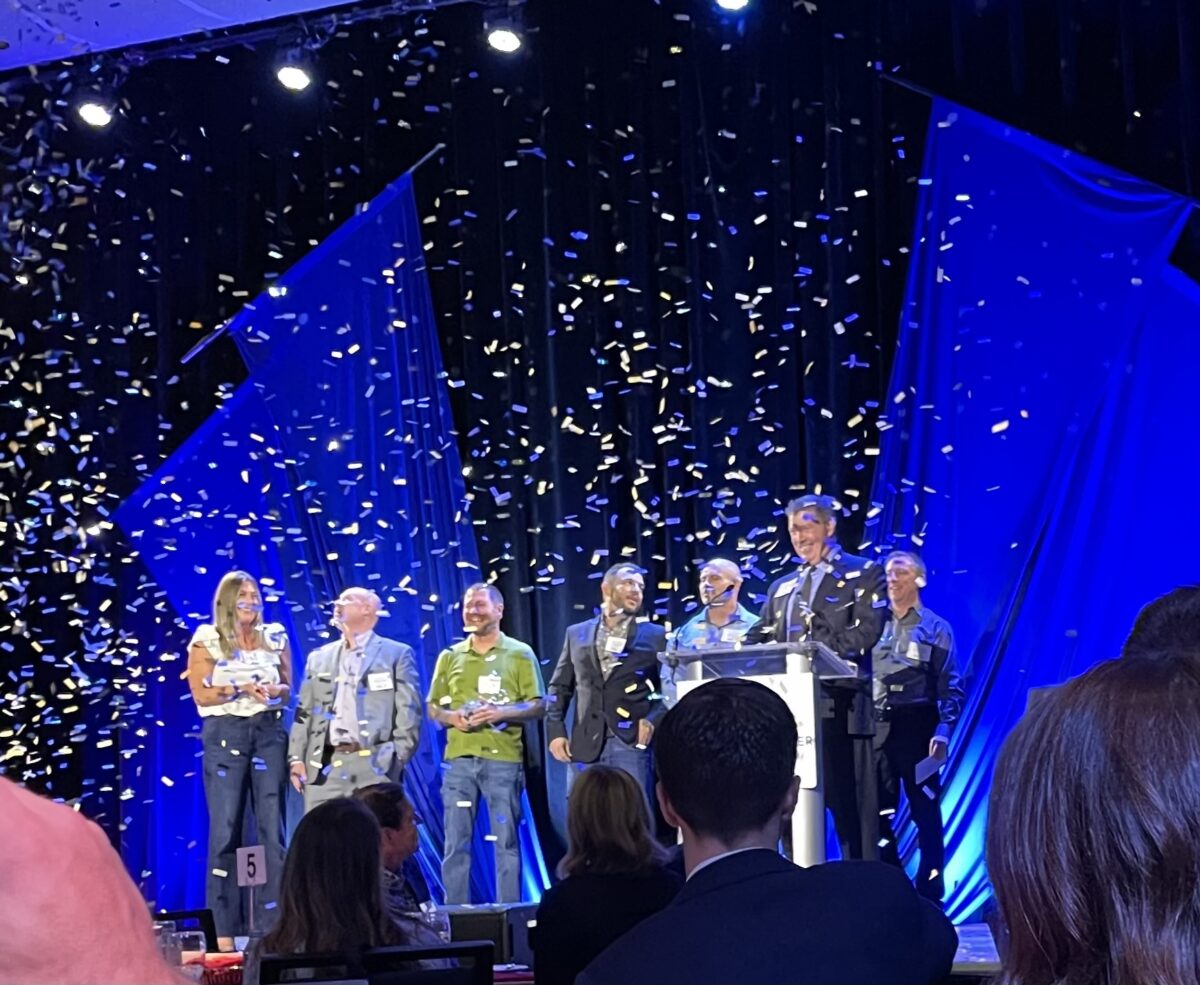
A high-tech farm housed in an upcycled shipping container was the top winner at this year’s Coolest Thing Made in Colorado contest by the Colorado Chamber of Commerce.

The top 10 nominees were joined by 300 attendees at the annual awards ceremony Oct. 23 at the Seawell Ballroom in the Denver Center for the Performing Arts, including state dignitaries, business leaders, chamber staff, students and supporters.

The controlled-climate container farm — manufactured in Colorado by FarmBox Foods — has been deployed worldwide to enable people and organizations to sustainably grow food in places where farming is typically not possible, whether due to short growing seasons, poor climate conditions, limited space or infertile soils.

“A recognition like this is a true honor and shows that we’re on the right track,” said Rusty Walker, CEO of FarmBox Foods. “Since the beginning, we have led with our mission and values and followed our instincts, and it’s brought us to this point.”

Walker said having a spotlight like the one that comes with the ‘Coolest Thing’ award could be a catalyst to inspire others to adopt the ag technology and feed people. He promised the company would be “good stewards” of the award and what it stands for.

Jason Brown, vice president of operations for FarmBox Foods and the original designer and builder of the company’s prototypes, said he’s grateful for the excitement generated by something that started with a simple idea: using tech and science to grow food using fewer resources.

“Our role has been designing, building and delivering the technology. It’s our customers who are doing great things with it, and having the privilege of watching them impact their community in a positive way will never get old,” Brown said.

The Vertical Hydroponic Farm is a 320-square-foot container farm that reduces water usage and energy consumption associated with food production. It allows users to grow healthy food year-round, no matter the climate, and eliminates the variables that often come with traditional farming, including impacts from weather and pests. Growing near the consumer also reduces food miles and preserves shelf life. The company delivers the farms anywhere in the world they’re needed.

The Colorado Chamber of Commerce organizes the annual Coolest Thing Made in Colorado contest to highlight Colorado’s booming manufacturing industry.

Vote for the Vertical Hydroponic Farm as the ‘Coolest Thing Made in Colorado’

Voting Opens for the Coolest Thing Made in Colorado “People’s Choice” Award

DENVER – Online voting opened today for the Colorado Chamber’s Coolest Thing Made in Colorado People’s Choice award (edit: voting concluded on Oct.. 6, 2025). The fourth annual contest celebrates the vibrant and diverse manufacturing industry across the state.

“The People’s Choice award is one of the most exciting parts of this contest as it gives Coloradans the chance to support their favorite products from local businesses across the state,” said Colorado Chamber President and CEO Loren Furman. “These finalists showcase the creativity and innovation happening in Colorado, and we’re excited to see which product will stand out as this year’s People’s Choice!”

FarmBox Foods’ Vertical Hydroponic Farm was named as a top-10 finalist last month.

“Southwest is proud to champion the People’s Choice at Coolest Thing Made in Colorado, honoring innovation and celebrating the best of Colorado’s businesses and communities,” said Lexi Muller, senior regional manager of corporate responsibility at Southwest Airlines, the People’s Choice sponsor.

Voters can select up to three of their favorite products from the top 10 finalists list for the Coolest Thing Made in Colorado. Individuals can vote once per day until voting closes on October 6. The Colorado Chamber will announce winners of both the People’s Choice award and the Coolest Thing Made in Colorado top winner on Oct. 23 at the Coolest Thing Made Awards Banquet.

Voting is open now through October 6. Votes can be cast on the Coolest Thing Made in Colorado website here: https://coolestthingcolorado.com/peoples-choice.

The Colorado Chamber’s Coolest Thing Made in Colorado contest is presented by FirstBank, and the People’s Choice Award is sponsored by Southwest Airlines.

Watch the Chamber’s promotional video featuring all 10 finalists for the People’s Choice award here.

Edible Beats Announces Hydroponic BeatBox Farms At Vital Root

Edible Beats, the Denver-based restaurant group that includes Linger, Root Down, Vital Root, Ophelia’s and El Five, has announced the installation of a Hydroponic FarmBox by Colorado-based FarmBox Foods in the backyard of their plant-based Denver staple, Vital Root.

Edible Beats, the 100% Employee-Owned Denver-based restaurant group founded by Chef Justin Cucci, has announced the installation of a Hydroponic FarmBox by Colorado-based FarmBox Foods in the backyard of their plant-based Denver staple, Vital Root.

Coined BeatBox Farms, the hydroponic farm fits perfectly into the Edible Beats family, where a love of music and sustainability are at the forefront of every initiative. This specific initiative is a step towards providing all of their restaurants, including Root Down, Vital Root, Linger, El Five and Ophelia’s with their own homegrown fresh produce, adding to their over 50% locally sourced ingredients within Colorado. Embedded in the fabric of Edible Beats restaurants are their commitment to sustainability and waste reduction. From 100% wind-powered buildings, to compostable storage bags and gloves, BeatBox Farms is another step towards reducing packaging waste and lowering their carbon footprint, as it eliminates the shipping of the produce.

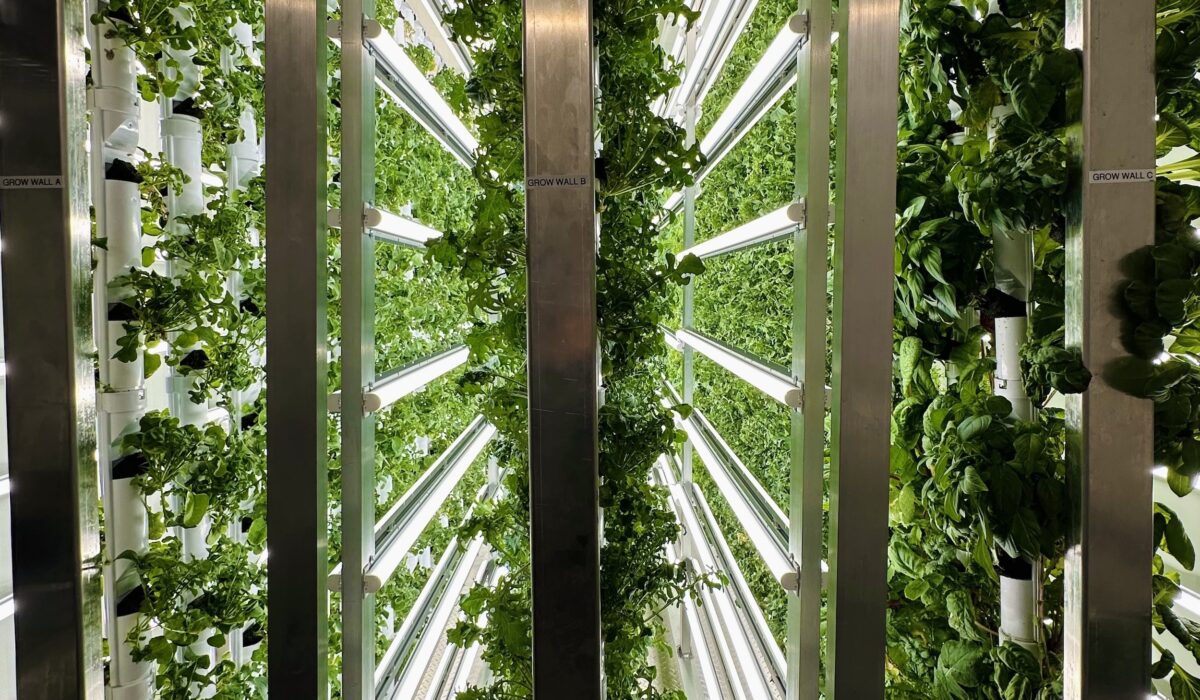
Within the 320-square-foot Vertical Hydroponic Farm (VHF), plants will go from seed to harvest and can yield the equivalent of up to 2.5 acres of farmland annually, with the capability to grow 7,800 plants at once. Expecting to harvest 120 lbs of veggies and greens weekly, they will be growing a variety of produce: Red Russian Kale, Runaway Arugula, Tat Soi, Hon Soi, Wasabina Mustard Greens, Scarlet Frills Purple Mustard Greens, Watercress, Basil, Cilantro and Dill. And by filtering and recycling water, BeatBox Farms uses 99% less water than traditional farms, and is committed to being pesticide-free, insecticide-free and fertilizer-free. All factors that allow Edible Beats to avoid groundwater contamination.

At the helm, Edible Beats FarmBox Cultivator and AgriCULTURist, Cori Hunt has had a rich history in the culinary and farming world. After working in Central Illinois to start the first Farm/Restaurant collaboration, Epiphany Farms, Cori says, “I have witnessed the better path first hand. Now I strive to help spread the word of this better path and align myself with likeminded people and groups. That led me to Edible Beats, who have been on the frontlines of this concept in Denver since the conception of Root Down.”

With this kind of local farming, the self contained vertical hydroponic grow system produces 10x more volume year round then the equivalent size of a traditional farm, with a daily consumption of roughly $20 in energy, and only 4 gallons of water per day. Cori shares, “Together we are attempting yet again to break as many molds as possible, pick up the pieces and build a better future.” As a leader in farm-to-table dining, Chef/Founder Justin Cucci has pioneered a culture of sustainability over the years with practices that go well beyond the kitchen. “I really wanted to have a sustainable culture for the employees,” explained Cucci.

This year, Edible beats joined a small handful of restaurants in the country, implementing a pioneering, self-funded 100% Employee Stock Ownership Plan. Rarely seen in the restaurant industry, his 350+ Edible Beats employees will all share in the long-term financial worth of the company, which Cucci calls “the quintessential win-win.”