Every organization has a mission. For some, it’s feeding people in need. For others, it’s educating students, supporting local food systems, creating sustainable housing communities or providing restaurants with the freshest ingredients possible.
What unites a growing number of these organizations is their use of container farm technology to help achieve those goals.
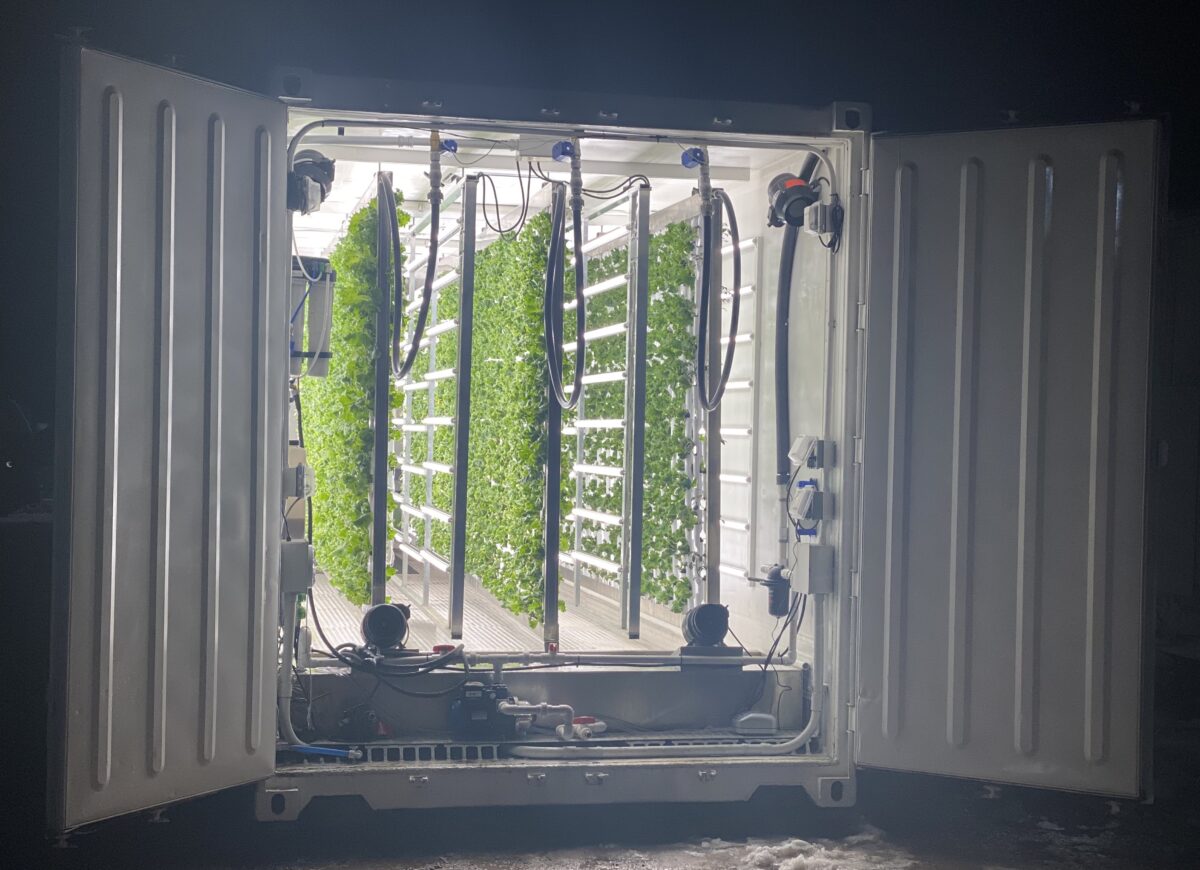
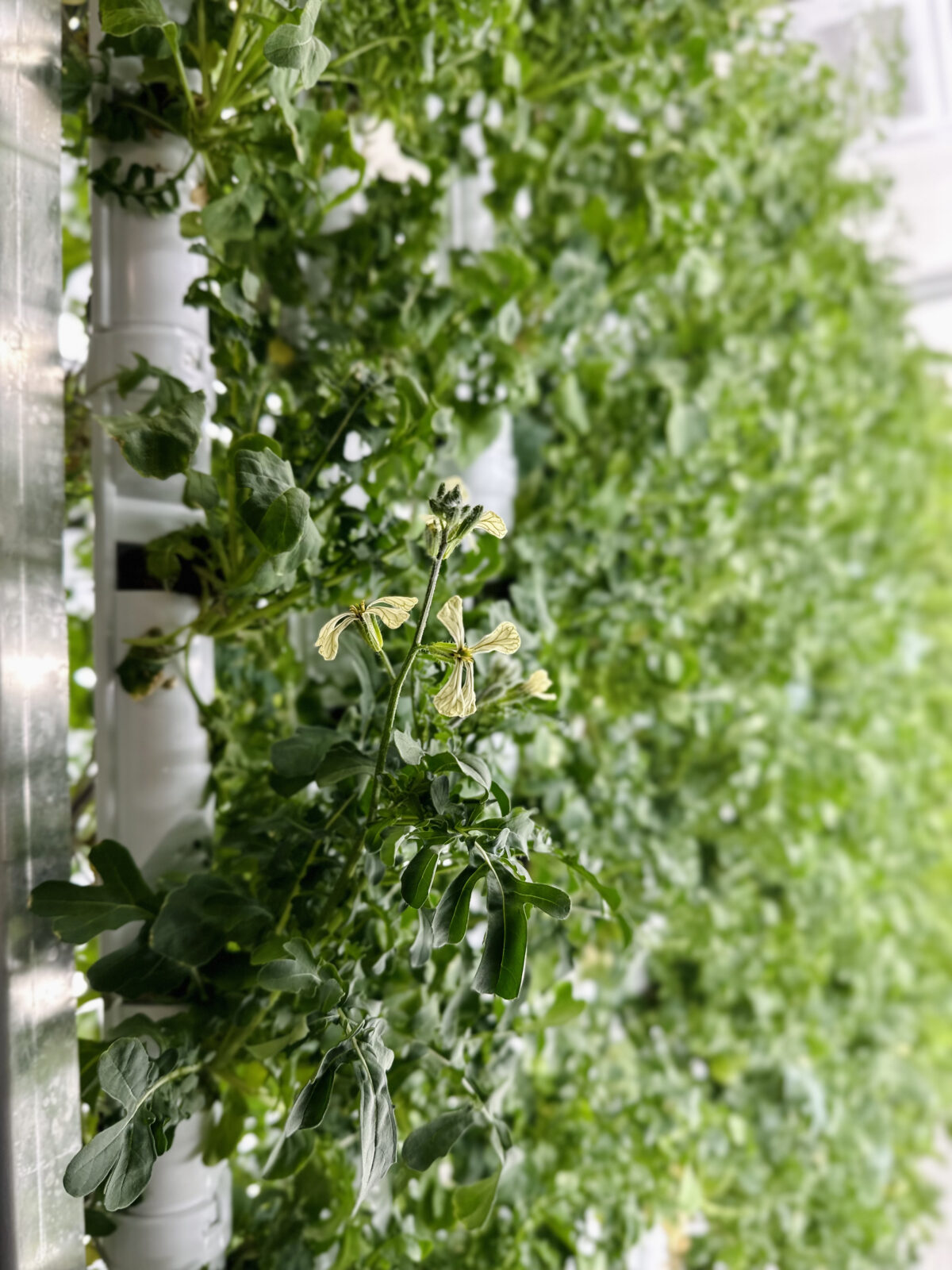
FarmBox Foods’ controlled-climate hydroponic farms and gourmet mushroom farms are being deployed by nonprofits, schools, restaurants, agricultural businesses, healthcare organizations and residential communities across North America. While each customer has unique objectives, they all leverage the same core advantage: the ability to grow fresh food year-round, almost anywhere.
Nonprofits Fighting Food Insecurity
For many nonprofit organizations, access to fresh food is a central part of their mission. 
FarmBox Foods has also partnered with community organizations focused on increasing food access in underserved neighborhoods. Programs such as the Focus Points Family Resource Center initiative in Denver’s Globeville, Elyria and Swansea neighborhoods use container farming technology to bring fresh produce directly into communities that have historically lacked reliable access to healthy food. Village Family Farms in Cleveland is another example of urban growers supplying their common city with healthy food.
Schools Creating Living Classrooms
Educational institutions have discovered that a container farm is much more than a food-production system. It becomes a hands-on learning laboratory.
At South Carolina Governor’s School for Science & Mathematics, a FarmBox Foods hydroponic farm serves as a research lab where students explore biology, engineering, environmental science, robotics and agriculture. The facility supports research projects while helping students tackle real-world challenges related to food production and sustainability.
Schools such as EPIC Campus, Venture Academy of Leadership and Entrepreneurship, Morgan Community College and The Villages Charter School use FarmBox Foods technology to teach plant science, business, nutrition, entrepreneurship and sustainable agriculture. Students gain practical experience while producing fresh food that benefits cafeterias, local nonprofits and community organizations.
Restaurants Building Hyper-Local Supply Chains
Restaurants are increasingly looking for ways to improve freshness, reduce transportation costs and strengthen sustainability efforts.
Denver-based restaurant group Edible Beats installed a FarmBox Foods Vertical Hydroponic Farm known as BeatBox Farms to supply several of its restaurants with fresh greens and herbs. By growing produce just steps away from where it is consumed, the company has greater control over quality while reducing food miles and waste.
Other operators, including gourmet mushroom producers and farm-to-table businesses, use FarmBox Foods technology to provide chefs and customers with premium products harvested at peak freshness. Businesses such as Tooth & Gill Mushroom Co., Cannolo Family Farms and Fresh365 have built successful local food enterprises around container-based food production.
Farmers Expanding Production Capacity
Traditional farmers are also adopting controlled-environment agriculture to diversify revenue streams and improve operational resilience.
Operations like Boone’s Lick Heritage Farm use FarmBox Foods mushroom farms to expand gourmet mushroom production, serve restaurant customers and create value-added products. These systems allow growers to produce specialty crops year-round regardless of weather conditions, helping stabilize income and meet growing consumer demand for locally produced food.
Residential Communities Enhancing Quality of Life
The benefits of local food production extend beyond commercial agriculture.
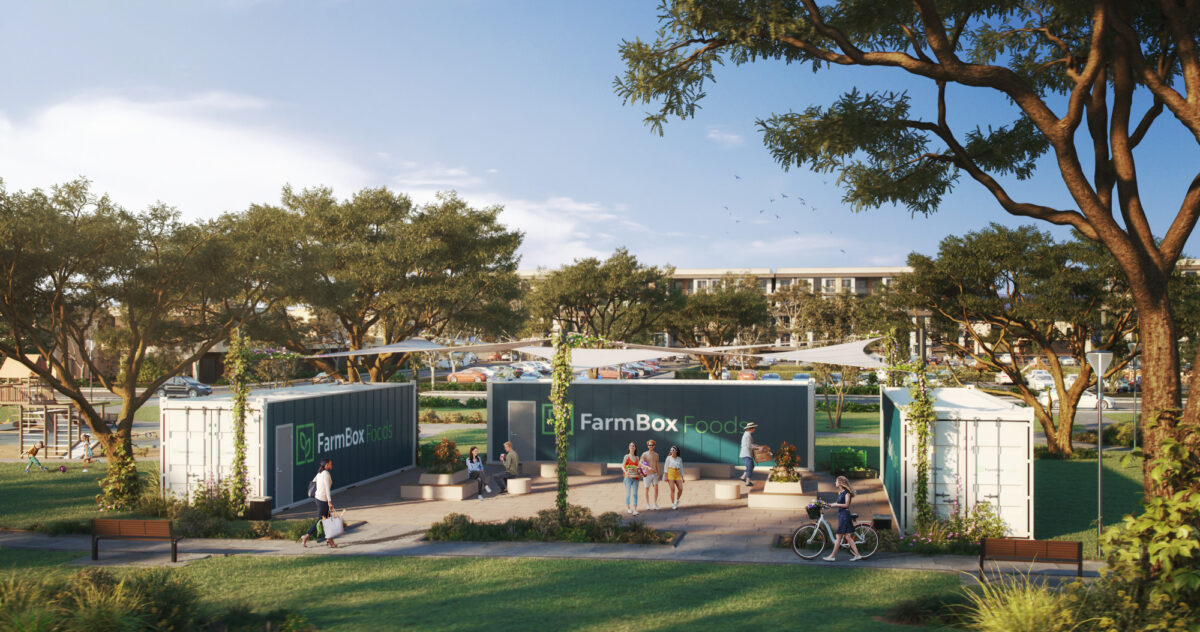
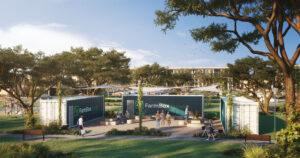
At Barham Villas, a multifamily residential community in southern California, residents receive free, fresh produce grown inside an on-site FarmBox Foods Vertical Hydroponic Farm. Any excess harvest is donated to nonprofit organizations, creating a model that combines sustainability, resident wellness and community impact.
A Common Goal: Stronger Communities
Whether the customer is a nonprofit feeding families, a school educating future innovators, a restaurant sourcing ingredients, a farmer expanding production or a housing developer creating unique amenities, the outcome is remarkably similar: greater access to fresh food, stronger local food systems and increased community resilience.
FarmBox Foods technology enables organizations to align food production with their missions, transforming underutilized spaces into productive assets that deliver measurable social, educational, environmental and economic benefits. As more organizations seek ways to strengthen food security and sustainability, controlled-environment agriculture is proving to be much more than a growing method; it’s becoming a mission-enabling tool that helps organizations make a lasting and meaningful impact in the communities they serve.