A Complete and Reliable Ecosystem for Modern, Hyperlocal Food Production

The future of agriculture is no longer confined to sprawling farmland or ideal growing climates. Across industries, from education and healthcare to hospitality, corrections and commercial farming, organizations are rethinking how food is produced, distributed and sustained. At the center of this evolution is FarmBox Foods. We’re a Colorado-based manufacturer and support partner that delivers turnkey controlled-environment agriculture solutions designed to grow food anywhere in the world, year-round.

While many companies sell equipment, FarmBox Foods has built something fundamentally different: a full-service agricultural ecosystem. That includes container farms and operational infrastructure, training, logistics, marketing support and long-term partnership. FarmBox Foods is built to enable customers to succeed, even if they’ve never farmed before.

This comprehensive approach is what separates FarmBox Foods from traditional agriculture providers (in our opinion) and positions the company as a leader in localized food production.

Container Farms Designed for Real-World Growing

At the core of FarmBox Foods’ offerings are its controlled-climate container farms, fully integrated agricultural systems built inside upcycled shipping containers. These farms allow customers to grow fresh food consistently regardless of geography, weather or seasonality.

FarmBox Foods manufactures several primary farm types:

Vertical Hydroponic Farm (VHF)

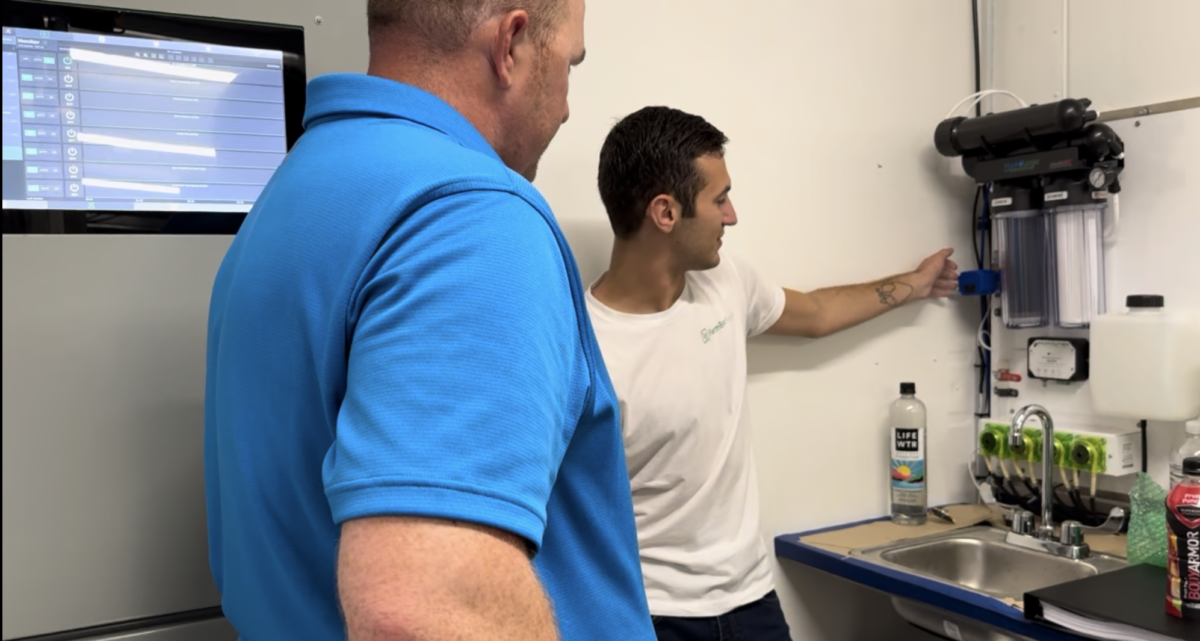
Designed for leafy greens, herbs and specialty crops, the Vertical Hydroponic Farm maximizes production within a compact footprint. Advanced automation technology allows growers to monitor and manage environmental conditions remotely, optimizing plant health while minimizing labor requirements.

These farms are commonly used by:

  • Universities and schools
  • Hospitals and healthcare systems
  • CSAs
  • Restaurants
  • Commercial growers

The ability to grow pesticide-free produce locally reduces transportation costs while improving freshness and food security.

Gourmet Mushroom Farm (GMF)

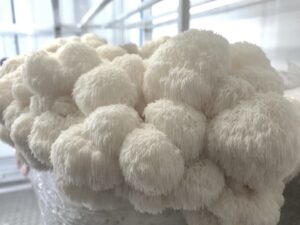
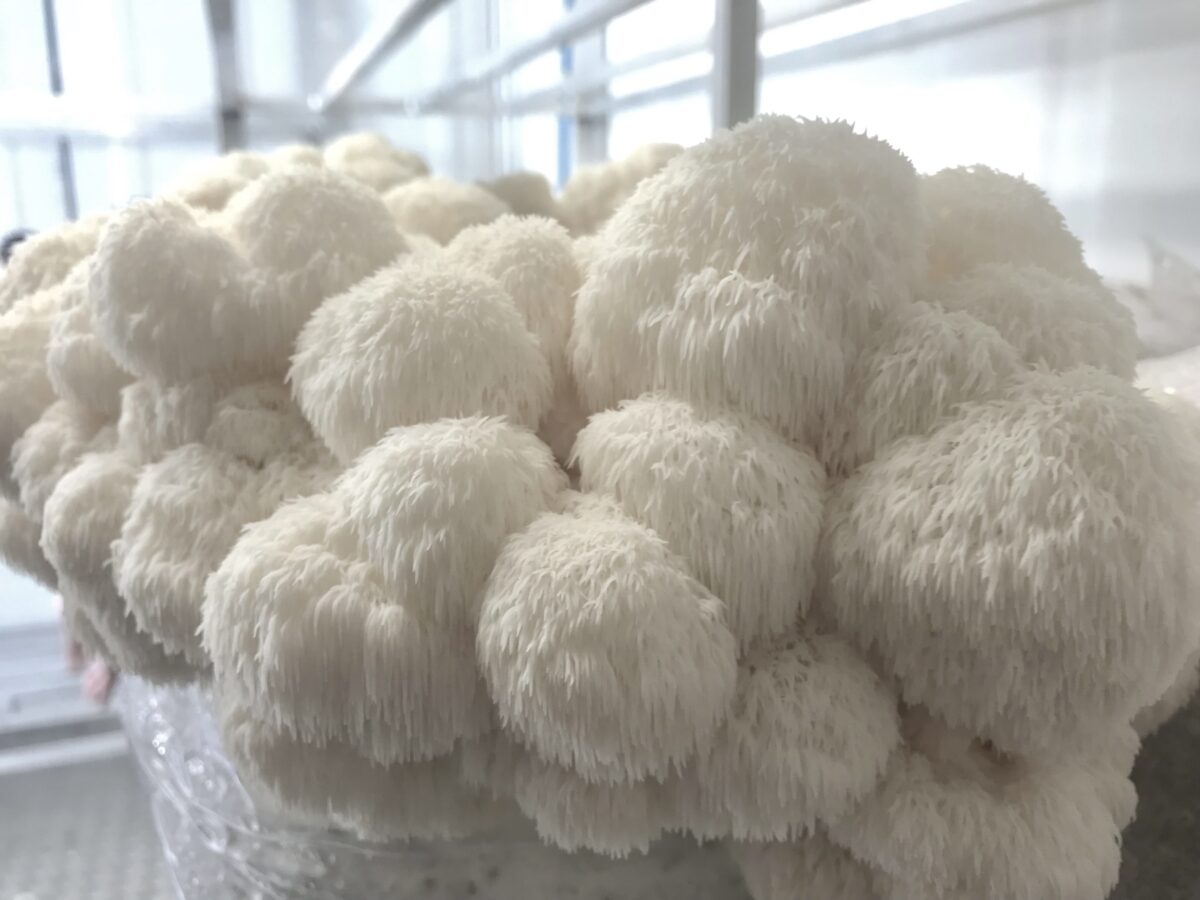
Mushroom cultivation is one of the fastest-growing sectors in controlled environment agriculture. FarmBox Foods’ Gourmet Mushroom Farm enables year-round production of varieties such as oyster, lion’s mane and reishi mushrooms in a tightly controlled environment.

Because mushrooms require precise humidity, airflow, and temperature control, the containerized system simplifies what would otherwise be a technically demanding operation. Training and operational guidance ensure even first-time growers can establish successful production programs.

Hydroponic Fodder Farm (HFF)

FarmBox Foods also pioneered containerized livestock feed production. Hydroponic fodder farms allow operators to grow nutrient-rich animal feed daily using minimal water and land resources, helping ranchers stabilize feed supply chains and reduce input costs. A school in Florida recently began using this farm type to teach kids about agriscience and animal science.

Together, these container farms allow organizations to produce vegetables, mushrooms, herbs, fodder and even tree seedlings locally and sustainably.

The SideKick: Operational Infrastructure That Completes the Farm Campus

Successful farming requires more than just growing space. Harvest handling, storage, sanitation and workflow efficiency are critical components of commercial operations. That’s where The SideKick comes in.

The SideKick is a 320-square-foot accessory container designed to support farm operations through integrated cold storage, dry storage and preparation space. A built-in walk-in cooler allows growers to store harvested produce or mushrooms before delivery, while dedicated, climate-controlled storage areas house seeds, nutrients, packaging materials and substrates.

A prep area with a sink supports food safety compliance and post-harvest handling, transforming container farming from a production experiment into a scalable commercial operation.

For many customers, the SideKick becomes the operational backbone that enables:

  • Efficient harvesting workflows
  • Product staging and aggregation
  • Inventory management
  • Food safety adherence
  • Expanded production capacity

Rather than piecing together infrastructure independently, growers receive an integrated solution purpose-built for controlled agriculture. No add-ons required.

Comprehensive Training: Farming Success Starts with Knowledge

One of the most important realities of modern container farming is that many operators are not traditional farmers. FarmBox Foods addresses this challenge directly through extensive training programs included with every farm deployment.

Customers receive:

  • Online training modules
  • In-person, onsite instruction
  • Crop-specific education
  • Operational best practices
  • Standard operating procedures (SOPs)

Training occurs inside the customer’s own farm environment, allowing teams to learn using real equipment and real production scenarios.

This hands-on approach dramatically shortens the learning curve and empowers organizations, from schools to correctional facilities, to confidently operate agricultural programs.

Operational Support That Extends Beyond Delivery

Unlike some equipment manufacturers that disengage after installation, FarmBox Foods maintains an ongoing partnership with customers. Each farm includes extensive operational support following deployment, including one year of direct assistance and continued engagement throughout the life of the farm.

Support services include:

  • Site prep guidance
  • Troubleshooting and technical assistance
  • Crop optimization guidance
  • Environmental calibration
  • Production planning
  • Remote monitoring access

FarmBox Foods also assists customers before installation begins, guiding site preparation requirements such as electrical connections, water access, and foundation work.

This cradle-to-operation model ensures customers are never left navigating challenges alone.

Logistics, Manufacturing and Supply Chain Expertise

Scaling agriculture requires reliable manufacturing and logistics infrastructure. FarmBox Foods partners with advanced manufacturing teams to ensure consistent production and safety standards.

Beyond building farms, the company supports:

  • Transportation and delivery logistics
  • Installation coordination
  • Ongoing supply sourcing
  • Nutrient and substrate procurement

For customers operating in remote regions or food deserts, this supply chain support can be the difference between success and operational disruption.

Marketing and Public Relations Support

FarmBox Foods recognizes that growing food is only half the challenge, telling the story matters just as much. After deployment, customers receive initial marketing and PR assistance designed to help launch their farm publicly. This includes:

  • Regional press releases
  • Social media promotion
  • Marketing assets
  • Brand visibility support

These efforts help operators attract customers, secure partnerships, and generate community engagement from day one.

For institutions such as schools or municipalities, the farm often becomes a centerpiece initiative highlighting sustainability, workforce development, and food access.

Designed for Sustainability and Food Security

FarmBox Foods’ broader mission centers on strengthening local food systems. Container farms use efficient water and energy systems while enabling production close to consumption points, reducing transportation emissions and supply chain vulnerability.

Because farms operate in controlled environments, they can function in:

  • Extreme heat or cold
  • Urban environments
  • Rural or remote communities
  • Disaster-prone regions

This adaptability makes container farming a powerful tool for improving resilience in modern food systems.

A Long-Term Partnership Model

What ultimately distinguishes FarmBox Foods is its philosophy: customers are not purchasing a product—they are entering a partnership.

From initial consultation through deployment, training, marketing, and operational growth, FarmBox Foods provides an end-to-end pathway into controlled environment agriculture.

Clients gain:

  • Turnkey farming infrastructure
  • Education and workforce development tools
  • Operational confidence
  • Market launch support
  • Long-term technical partnership

This holistic model has enabled organizations worldwide to produce fresh food locally, often for the first time.

Growing the Future

As global food systems face increasing pressure from climate change, supply chain instability and population growth, localized production is becoming essential rather than optional.

FarmBox Foods stands at the intersection of agriculture, technology and community impact, offering more than container farms (see how customers are using them). The company delivers the knowledge, infrastructure and ongoing support needed to make modern farming accessible, scalable and sustainable.

Whether empowering schools to educate students, hospitals to improve nutrition, entrepreneurs to build agricultural businesses, or communities to strengthen food security, FarmBox Foods provides a proven pathway to grow food anywhere. And in a world searching for resilient solutions, that capability may be one of the most important harvests of all.

Making Farming Accessible, Achievable for the Next Generation of Growers

There’s a time in almost every industry when an impactful shift upends what doing business looks like.

Farming has always been the backbone of society, but for many young people today, the idea of becoming a farmer feels out of reach. Land is expensive, climate conditions are unpredictable and the upfront costs of equipment and infrastructure can be overwhelming. That’s where automated container farms come in, offering a new pathway for the next generation of farmers to thrive.

Unlike traditional models, container farms don’t require hundreds of acres or decades of experience passed down from family. They’re compact, climate-controlled and highly efficient. Most importantly, they harness automation and technology, which makes them a natural fit for younger generations who grew up with smartphones, data analytics and digital tools at their fingertips. With sensors that monitor and control environmental conditions, automated watering and nutrient delivery systems, and detailed dashboards that track results, farming suddenly becomes less about guesswork and more about innovation.

This shift doesn’t just make agriculture more approachable, it makes it exciting. Young people who might never have considered farming can now view it as a career rooted in technology, sustainability and entrepreneurship. Container farms offer consistent, year-round production regardless of outside weather conditions, which speaks directly to a generation deeply concerned about climate change and food security. The controlled environment also uses a fraction of the water and land required by traditional farming, aligning with values of environmental stewardship that many young people hold close.

At the same time, container farms double as living classrooms. Schools, universities and community organizations are already using them to teach students about biology, engineering, natural resources, coding and even business management. Hands-on experience with these systems not only connects learners to where food comes from, but also equips them with skills they can carry into careers in ag-tech, sustainability or entrepreneurship. It’s a form of education that blends science with purpose, and it leaves a lasting impression.

Perhaps most empowering of all is the way container farms connect young people to their communities. These systems allow farmers to grow fresh food locally, reduce reliance on long supply chains and provide nutritious produce to underserved areas. Many young entrepreneurs are finding purpose in this mission, using container farms to build small businesses that serve both their neighborhoods and the environment. By removing many of the traditional barriers to farming, container farms open the door to opportunity and impact.

At its core, this movement is about redefining what it means to be a farmer. Agriculture is no longer confined to wide-open fields and unpredictable harvests. With the rise of automated container farms, farming has become a forward-thinking, tech-enabled career choice that blends innovation with sustainability. For the next generation, it’s not just about growing food—it’s about shaping the future of our food systems in a way that is accessible, resilient, and deeply meaningful.

Transforming a Neighborhood with an Indoor Garden

What if traditional community gardens were expanded into indoor spaces, eliminating seasonal barriers from the equation?

Imagine for a moment having a weekly farmers’ market in your community throughout the entire year.

Most can only dream of such a scenario, as typical community gardens take root in May and close for the season in October (depending on where you live). Additionally, demand for space is persistently high and waiting lists can be years long. But what if the community garden was expanded into indoor spaces, eliminating seasonal barriers from the equation?

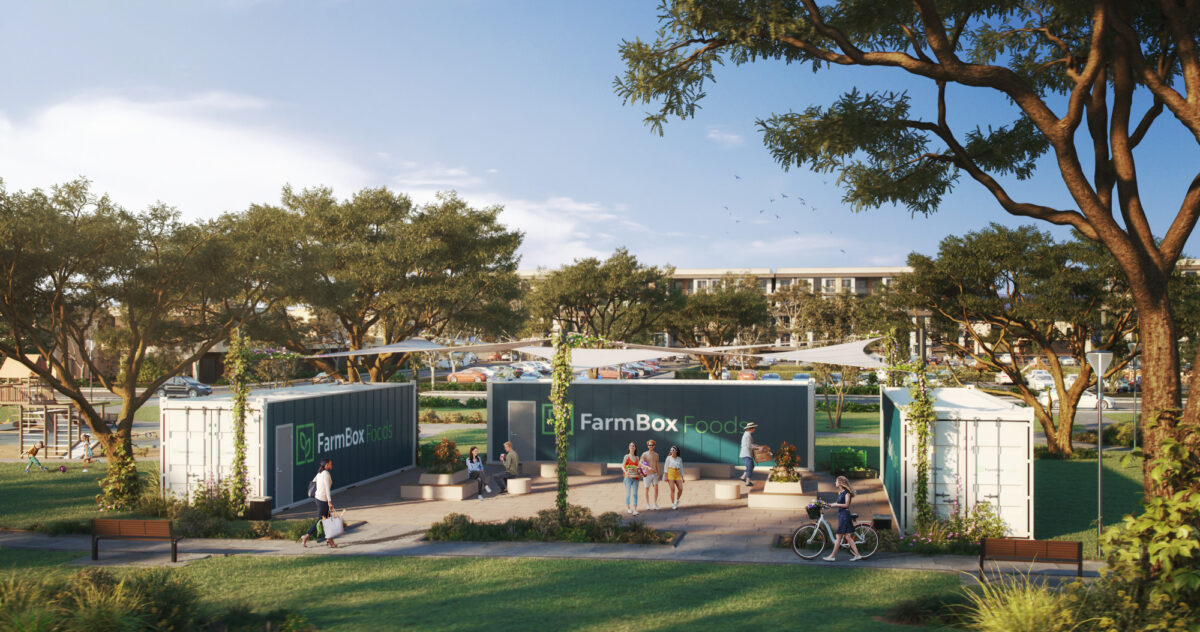
Residential community developers — as well as those who serve on boards that oversee the neighborhoods — know that acreage is at a premium, and dedicating enough space for a traditional farm can be a challenge.

But what if the farm took up only 320-square-feet of space?  

If you’ve ever considered bringing indoor growing to your community, read on. A controlled-climate container farm could be what you’ve been looking for.

Automated container farms can be placed in urban areas, close to consumers, meaning produce can be delivered quickly, thereby reducing the carbon footprint associated with food transport and increasing accessibility to fresh, locally grown produce.

Accessibility improves the diets and overall health of property owners, and because it’s protected inside, the produce is grown without the use of harmful pesticides.

Container farms use less water and energy than traditional farms. They can operate year-round, regardless of weather conditions, by using efficient LED lighting and controlled environments to optimize growing conditions. This can result in a significant reduction in greenhouse gas emissions and water usage when compared to traditional farming methods. To take it a step further, tree seedlings can also be started in Vertical Hydroponic Farms made by FarmBox Foods and planted in the community later on, providing a full, get-your-hands-dirty experience for residents to play a part in bettering their subdivision.

Container farms can also provide educational opportunities for children and adults in the community. They can learn about sustainable farming practices, the benefits of locally grown produce, and how to grow their own food. The farms can create jobs in the community, and provide opportunities for entrepreneurship and small business development. They can also provide a new source of revenue for local farmers.

Aside from the aforementioned, a farm that operates year-round is a differentiator for housing developers who want to stand out from the rest. It shows a willingness to think critically about infrastructure that bolsters a neighborhood’s status, and it can be done for relatively little upfront cost. The farms can also be wrapped with a high-resolution design that makes it fit in with its surroundings.

Given the lengthy lifespan of container farms — 25 years or more — it’s an amenity that can become a community gathering place for decades to come.