CEA Has Evolved, Promising Both Impact and Profitability

Over the last 15 years, controlled-environment agriculture has earned widespread attention for its ability to grow fresh leafy greens year-round in almost any environment, and rightly so. Leafy greens are one of the most efficient, nutritious and impactful crops produced in controlled-climate systems. But the evolution of CEA has revealed something even bigger: these systems are becoming versatile platforms capable of serving both mission-driven organizations and profit-driven businesses alike, bringing other crop types to the forefront.

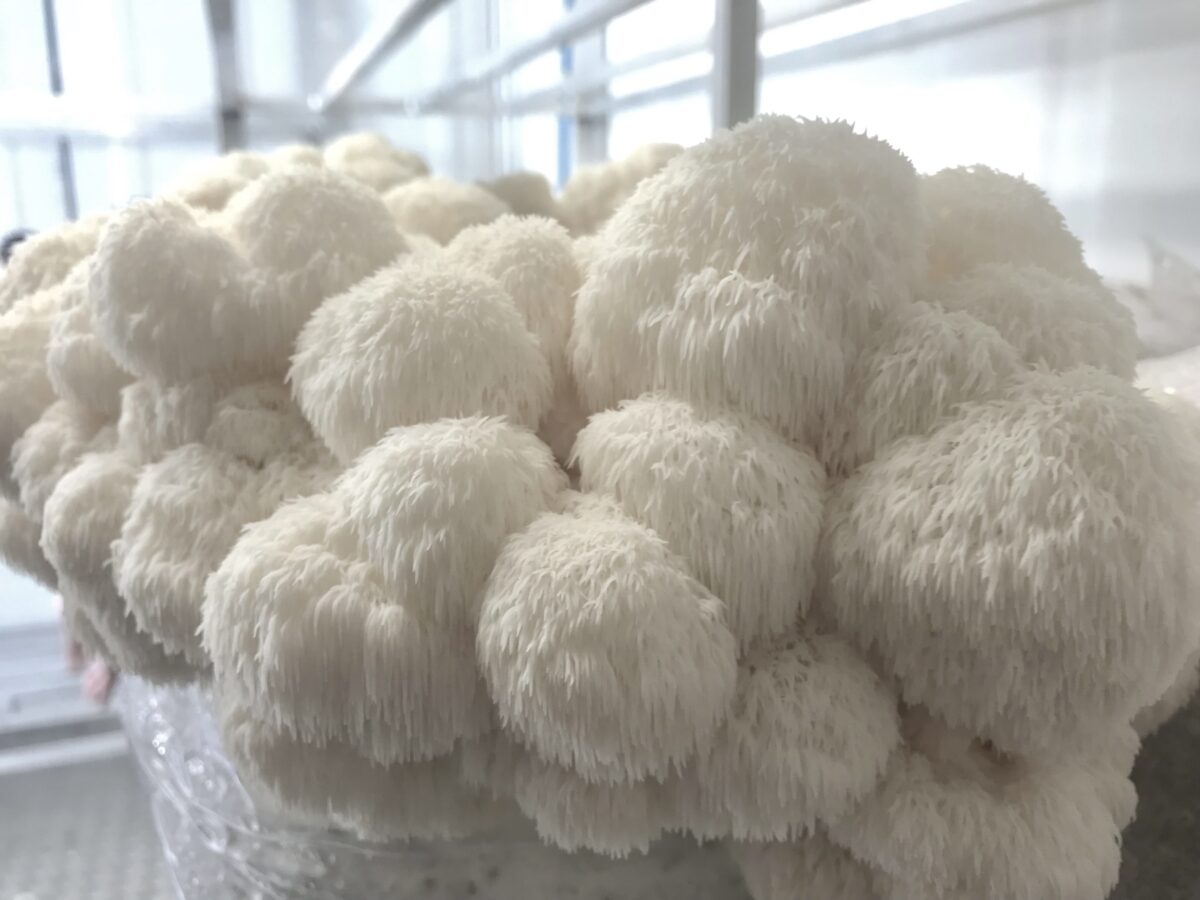
Lion’s mane mushrooms are a powerful revenue generator for businesses, and demand continues to grow.

These days, container farms and other controlled-environment systems are being used not only to produce lettuce, kale and herbs, but also gourmet mushrooms, fodder, medicinal crops and specialty produce that can transform local economies and communities.

For nonprofits and community organizations, CEA offers a powerful tool for social impact. Food insecurity continues to affect urban neighborhoods, rural towns, islands and remote communities across the globe. Traditional supply chains are often expensive, unreliable or vulnerable to weather disruptions. Controlled-environment systems provide a way to grow fresh food consistently, locally and with significantly less water and land than conventional agriculture.

Community-focused growing programs can create far-reaching benefits beyond food production alone. Schools can use container farms as hands-on STEM education centers. Food banks and nonprofits can produce fresh, nutrient-dense crops year-round instead of relying entirely on donations. Workforce development programs can train participants in agriculture technology, food systems and sustainability practices. In correctional facilities and rehabilitation programs, controlled-climate farming can provide vocational skills that lead to employment opportunities after release (see how a FarmBox is being utilized at FCI-Coleman Low in Florida).

Gourmet mushrooms are becoming an especially compelling crop for nonprofit and social enterprise models because they require relatively little space, thrive in controlled conditions and can generate meaningful economic value. Oyster, lion’s mane and shiitake mushrooms can often be grown in environments where traditional farming would be impossible. For organizations seeking to create sustainable funding streams, mushrooms offer a unique cross-section of nutrition, education and revenue generation.

At the same time, the private sector is increasingly recognizing the profitability potential of CEA beyond traditional greens production. Consumer demand for specialty foods continues to rise, especially among restaurants, chefs, health-conscious consumers and local grocery markets. Gourmet mushrooms have emerged as one of the most attractive opportunities within this space.

Unlike many commodity crops, specialty mushrooms command premium pricing and appeal to multiple industries simultaneously. Restaurants value their flavor profiles and culinary versatility. Health and wellness consumers are increasingly drawn to functional mushrooms associated with focus, immunity and overall wellness. Retailers appreciate locally grown products with short supply chains and consistent quality. In terms of profitability in CEA, mushrooms are now king.

Controlled-environment mushroom production offers businesses advantages in predictability and scalability. Environmental conditions can be tightly managed to optimize yields and consistency regardless of external weather conditions. Production cycles are relatively fast — usually around 5 weeks — allowing growers to respond quickly to market demand. Because mushrooms can be cultivated in a container farm, operators can maximize production within compact footprints, making them ideal for urban and distributed farming models.

Importantly, the growth of mushrooms within CEA should not be viewed as replacing leafy greens production. Instead, it highlights the growing flexibility of controlled-climate agriculture as a whole. Leafy greens remain foundational to the industry because they provide reliable nutrition, efficient turnover and broad consumer demand. In many cases, greens production serves as the entry point that demonstrates the viability of local food systems (see Primitive Greens, which grows both crops in Grand Cayman).

What’s changing is the realization that controlled-environment agriculture is not limited to a single crop category. The same innovation that allows communities to grow lettuce during winter storms can also empower entrepreneurs to cultivate high-value mushrooms near major markets. The same systems that help nonprofits address food insecurity can help businesses build resilient revenue streams.

As global food systems face increasing pressure from climate volatility, water scarcity and supply chain disruptions, versatility will become one of agriculture’s greatest strengths. Controlled-environment agriculture is proving that it can support both purpose and profit, creating opportunities to feed communities, educate future growers and build sustainable businesses all at the same time.

Food Autonomy Taking on Greater Importance

The concept of food autonomy is nothing new, but it’s going to take on greater meaning and importance as we chart our way into the future.

Food autonomy is essentially the ability of a community, region or nation to reliably produce a meaningful portion of its own food locally rather than depending heavily on imports and long supply chains. In remote regions and islands, food autonomy is becoming increasingly important because these areas are often highly vulnerable to disruptions caused by supply chain disruptions, extreme weather and short growing seasons, geopolitical instability, fuel price spikes and limited arable land.

For islands and isolated communities, food autonomy is not necessarily about producing 100 percent of all food locally. Instead, it’s about increasing resilience by ensuring access to essential fresh foods, proteins and staple crops even when outside supply chains fail.

Why Remote Regions and Islands Struggle With Food Security

Many islands and remote communities import upwards of 95 percent of their food. That dependence creates several challenges, like high transportation costs, food spoilage during transit, limited shelf life, and price volatility tied to fuel and shipping, just to name a few.

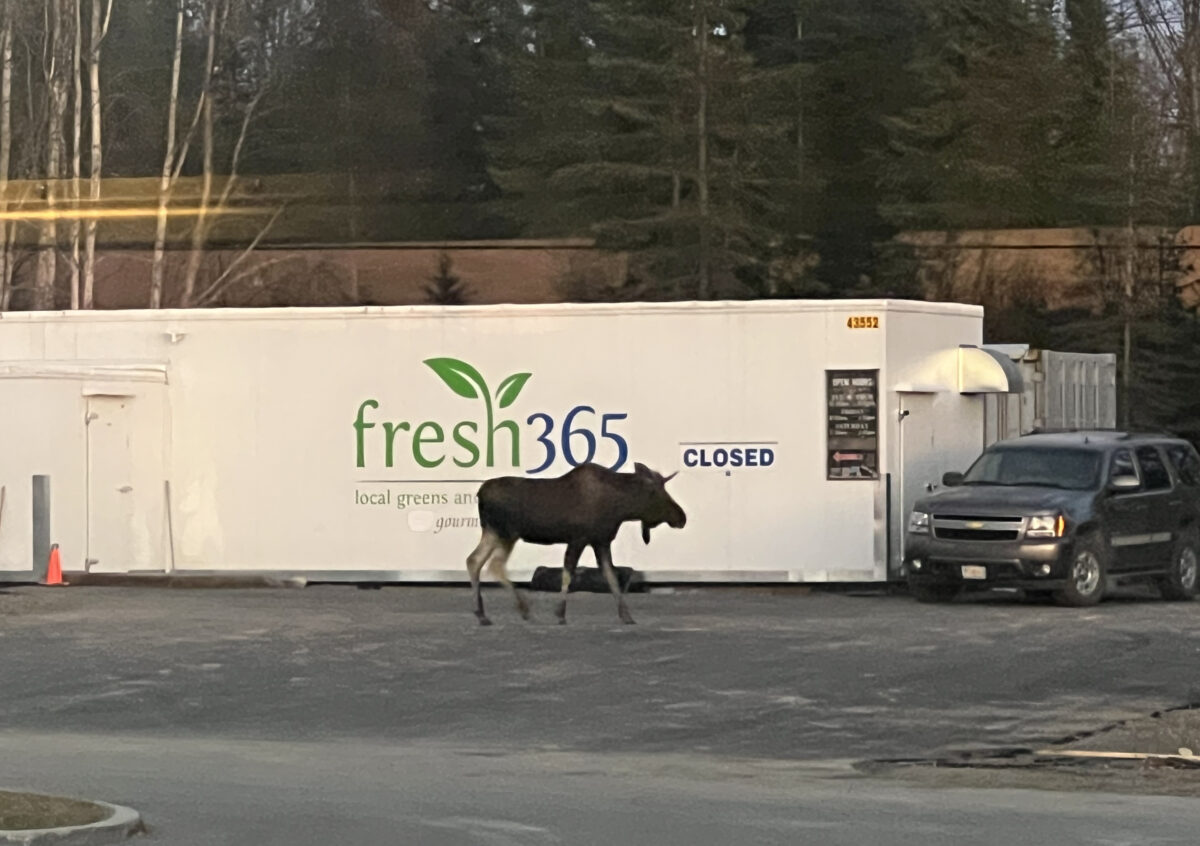
A moose walking past a container farm owned by Fresh365 in Soldotna, Alaska.
A moose walks past a container farm owned by Fresh365 in Soldotna, Alaska.

Places like the Caribbean islands, Iceland, remote communities in Alaska and many Pacific islands have all invested in alternative food production systems because traditional farming alone cannot reliably meet local demand.

The Best Solutions for Building Food Autonomy

No single technology solves food autonomy by itself. The strongest systems combine multiple approaches tailored to climate, geography, energy availability, and cultural preferences.

Controlled-Environment Agriculture (CEA)

Controlled-environment agriculture is one of the most effective tools for remote food production because it allows crops to grow consistently, regardless of outside weather conditions.

This includes hydroponics and mushroom cultivation in containers, vertical farming in permanent structures, greenhouses and aquaponics operations.

Benefits of course include year-round production, reduced water usage, minimal pesticide requirements, protection from storms and drought, predictable yields and production near the consumer.

Container farms are particularly effective in remote regions because they can be shipped nearly anywhere and begin producing quickly without requiring extensive infrastructure. Arctic communities can grow leafy greens year-round, far-flung military installations can reduce imported produce dependence, island resorts can produce herbs and greens onsite, and disaster-prone regions are able to maintain food production after storms.

Renewable Energy Integration

Food autonomy and energy autonomy are closely linked. Remote regions often face extremely high electricity costs because power is generated with imported diesel fuel. Pairing food systems with renewable energy improves long-term viability.

The technologies that help make this a reality include solar microgrids, high-capacity battery storage, wind power, waste-to-energy systems and heat-recovery systems. For example, solar-powered desalination combined with hydroponics can enable crop production in regions with little freshwater availability.

Water Independence Systems

Water scarcity is one of the largest barriers to local agriculture on islands.

The most successful autonomous food systems often combine initiatives like rainwater harvesting, atmospheric water generation, water recycling, the aforementioned desalination and closed-loop hydroponic systems.

Hydroponics can use up to 90–95 percent less water than traditional soil farming depending on the crop and system design.

Diversified Local Production

True food autonomy requires diversity. Communities that rely on only one growing system remain vulnerable. The strongest autonomous food models combine indoor farms, outdoor regenerative agriculture, community gardens, aquaculture, hydroponic fodder systems, agroforestry and local fisheries. Diversification reduces the risk of catastrophic failure from disease, storms or infrastructure outages.

Local Workforce Development

Technology alone does not create food autonomy.

Communities may require agricultural education, technical training, youth engagement, entrepreneurial support and local maintenance capabilities. Some of the most successful remote farming initiatives train residents to operate and maintain advanced systems locally instead of relying on outside experts.

Seed Sovereignty and Crop Selection

Crop selection matters enormously. Leaders in remote regions know to prioritize crops that are nutrient dense, that grow fast, generate high yields, are climate adaptable and are easy to store or preserve.

Leafy greens, herbs, tomatoes, peppers, microgreens, root vegetables and fodder crops are often strong candidates for controlled-environment production. Communities also benefit from maintaining local seed banks and preserving regionally adapted crop genetics.

Food Storage and Processing Infrastructure

Autonomy is not just about growing food. It also involves preserving it.

Critical systems include cold storage (see The SideKick), freeze drying, canning, fermentation, local food processing and grain storage. Harnessing old and new practices to reduce the likelihood of post-harvest losses dramatically improves resilience.

Real-World Models Emerging Today

Several regions are becoming models for autonomous food systems:

  • Singapore has aggressively invested in vertical farming to improve domestic food production.
  • United Arab Emirates has expanded controlled-environment farming to address desert agriculture challenges.
  • Iceland uses geothermal-powered greenhouses for year-round food production.
  • Remote northern communities in Canada and Alaska increasingly use modular hydroponic systems to reduce dependence on flown-in produce.

The Most Effective Overall Strategy

The strongest path to food autonomy is usually a hybrid model that combines:

  1. Controlled-environment agriculture for reliable fresh produce
  2. Renewable energy systems
  3. Water independence infrastructure
  4. Traditional agriculture where feasible
  5. Local training and workforce development
  6. Food preservation and storage
  7. Strong community participation

Food autonomy is ultimately about resilience, predictability and local empowerment. For remote regions and islands, the goal is not isolation from global trade at all. The goal is reducing vulnerability while ensuring communities can continue feeding themselves during disruptions and economic instability.

The Rise of Predictable Agriculture in an Unpredictable World

For as long as we can remember, agriculture has depended on one thing above all else: a measure of predictability.

The Farmers’ Almanac was a crucial ally in the fight. Growers would rely on seasonal weather patterns, dependable water access, stable transportation networks and consistent labor availability to bring crops from seed to harvest. But today, a lot of those key elements are becoming increasingly uncertain.

Extreme weather events are intensifying across the globe. Drought conditions continue to impact major agricultural regions in the American West, especially California. Flooding, heat waves, cold snaps and severe storms are disrupting planting and harvesting schedules with greater frequency. At the same time, supply chain disruptions, rising fuel costs, labor shortages and fluctuating fertilizer prices are placing additional pressure on growers and food distributors alike.

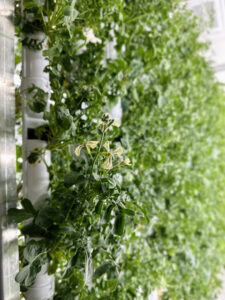
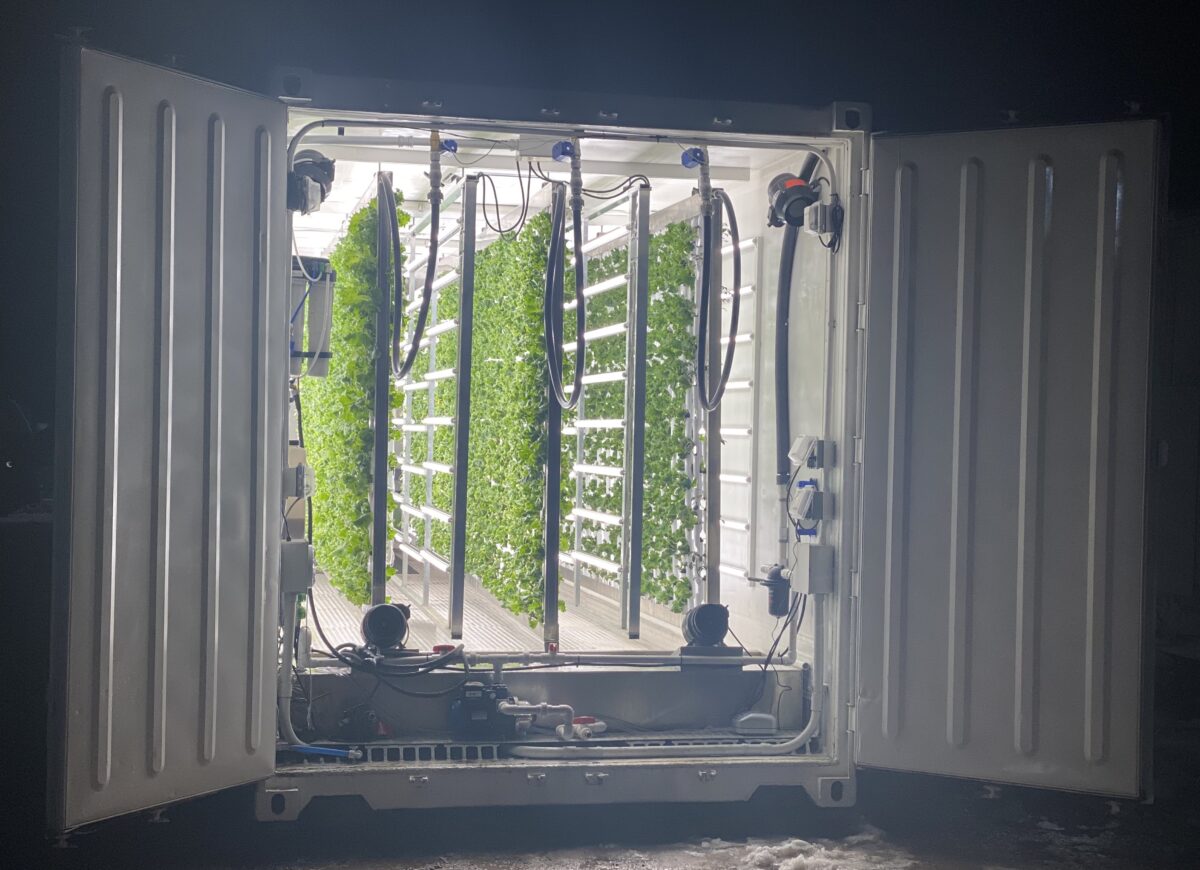
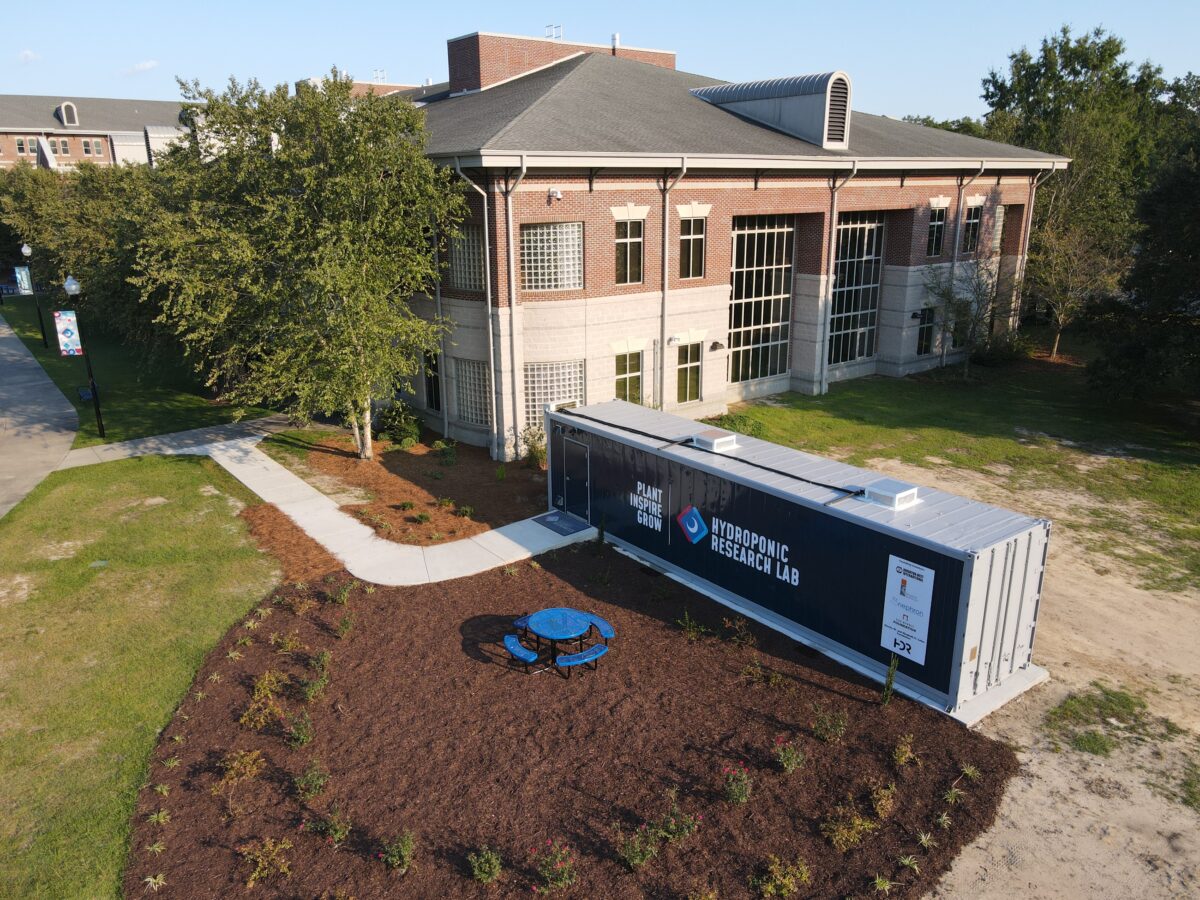
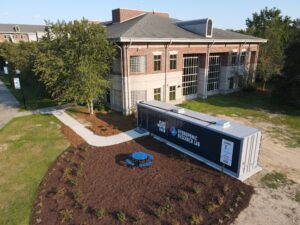
A hydroponic FarmBox on a school campus.
More reliable and predictable farming is being studied at educational institutions, including South Carolina’s GSSM.

In an unpredictable world, predictable production matters more than ever.

That reality is one of the driving forces behind the growing interest in controlled-climate agriculture. Unlike traditional outdoor farming, controlled-climate systems allow growers to create stable growing environments that are insulated from many of the challenges affecting conventional agriculture today. Whether housed inside greenhouses, vertical farms or shipping container farms, these systems give operators greater control over temperature, humidity, lighting, irrigation and nutrient delivery.

The result is consistency.

Predictable agriculture means knowing that crops can be produced year-round regardless of weather conditions outside. It means having the ability to forecast production schedules with greater confidence and reduce the risk associated with crop loss due to environmental factors. In industries where margins are often thin and food demand never stops, consistency can make an enormous difference.

Consumers are beginning to feel the effects of agricultural unpredictability firsthand. Produce shortages, price increases and inconsistent quality have become more common in grocery stores across the country. A drought in one region or a transportation disruption thousands of miles away can suddenly impact the availability and cost of fresh food in local communities. Controlled-climate farming helps reduce some of those vulnerabilities by decentralizing production and bringing food cultivation closer to the point of consumption.

Instead of relying exclusively on produce transported across multiple states or international borders, communities can supplement portions of their food supply through localized growing systems. This approach not only shortens supply chains but also helps reduce the sizable carbon footprint associated with long-distance transportation and refrigeration.

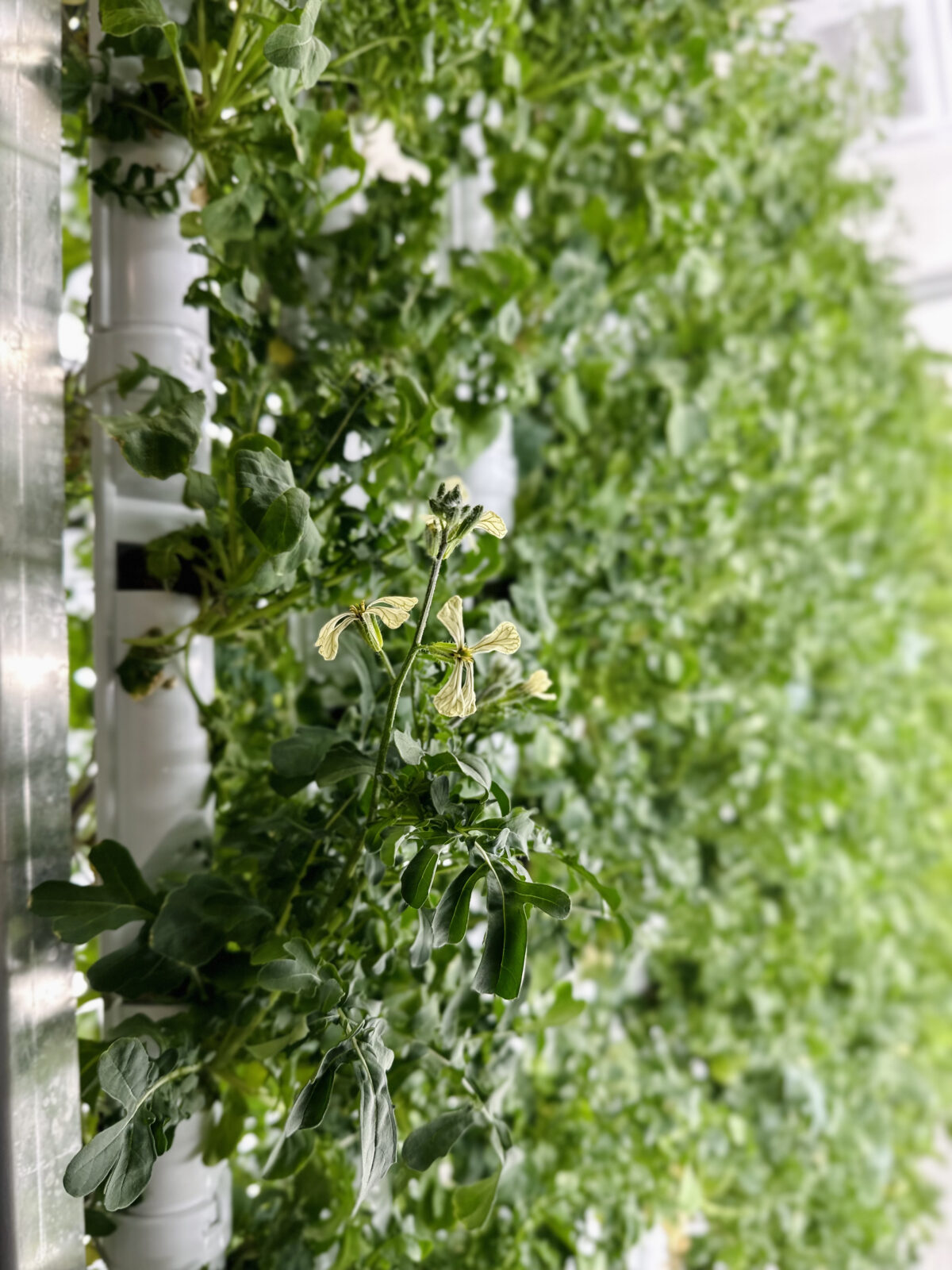
Water conservation is another major reason predictable agriculture is gaining attention. Traditional farming remains heavily dependent on rainfall and large-scale irrigation, both of which are becoming more challenging in drought-prone regions. Controlled-climate systems, particularly hydroponic operations, can dramatically reduce water consumption by recirculating water directly to plant roots rather than losing large amounts to evaporation or runoff. In areas where water access is becoming increasingly limited, that targeted efficiency could become essential for long-term agricultural sustainability.

Predictability also creates opportunities for a new generation of growers.

The average age of farmers in the United States continues to rise, creating concerns about the future agricultural workforce. Controlled-climate agriculture introduces technology-driven farming methods that may appeal to younger generations interested in sustainability, engineering, automation and food innovation. Because container farms and indoor growing systems can operate on smaller footprints and in nontraditional locations, they may also lower barriers to entry for aspiring farmers who do not have access to large amounts of farmland or equipment.

At the same time, controlled-climate agriculture is not intended to replace traditional farming altogether. Conventional agriculture will always remain essential for large-scale commodity crops (think corn and wheat) and global food production. Instead, controlled-climate farming serves as a complementary solution that strengthens overall food system resilience. It provides a way to grow certain crops more predictably, closer to consumers, and with fewer environmental variables influencing production outcomes.

As uncertainty continues to shape global agriculture, resilience is becoming just as important as productivity. Communities, businesses, institutions and governments are increasingly recognizing the importance of localized food production systems that can continue operating during disruptions. From military installations and schools to remote communities and urban centers, controlled-climate agriculture offers an opportunity to improve food access while reducing dependence on fragile supply chains.

The future of farming may not depend solely on producing more food. It may depend on producing food more reliably and more efficiently.

In a world where weather patterns, transportation systems and resource availability are becoming harder to predict, agriculture that delivers consistency, efficiency and adaptability will continue to grow in importance. Predictable agriculture is no longer simply a technological advancement. It is rapidly becoming a necessity.