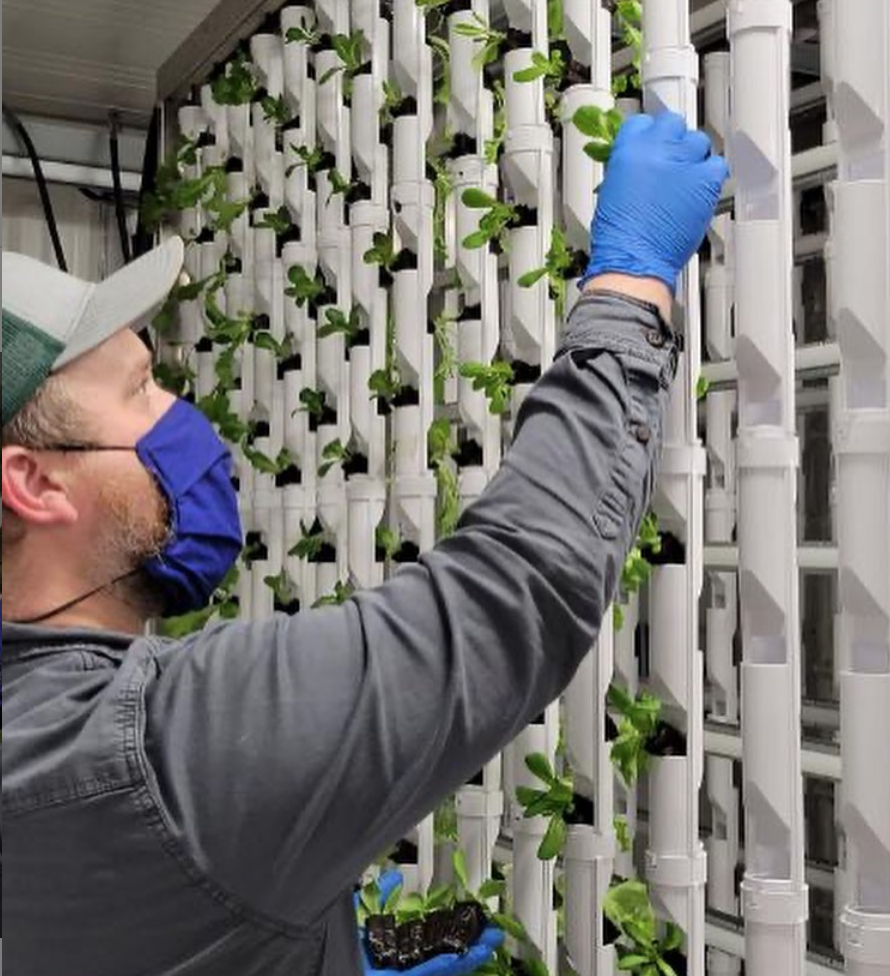
Over the last 15 years, controlled-environment agriculture has earned widespread attention for its ability to grow fresh leafy greens year-round in almost any environment, and rightly so. Leafy greens are one of the most efficient, nutritious and impactful crops produced in controlled-climate systems. But the evolution of CEA has revealed something even bigger: these systems are becoming versatile platforms capable of serving both mission-driven organizations and profit-driven businesses alike, bringing other crop types to the forefront.
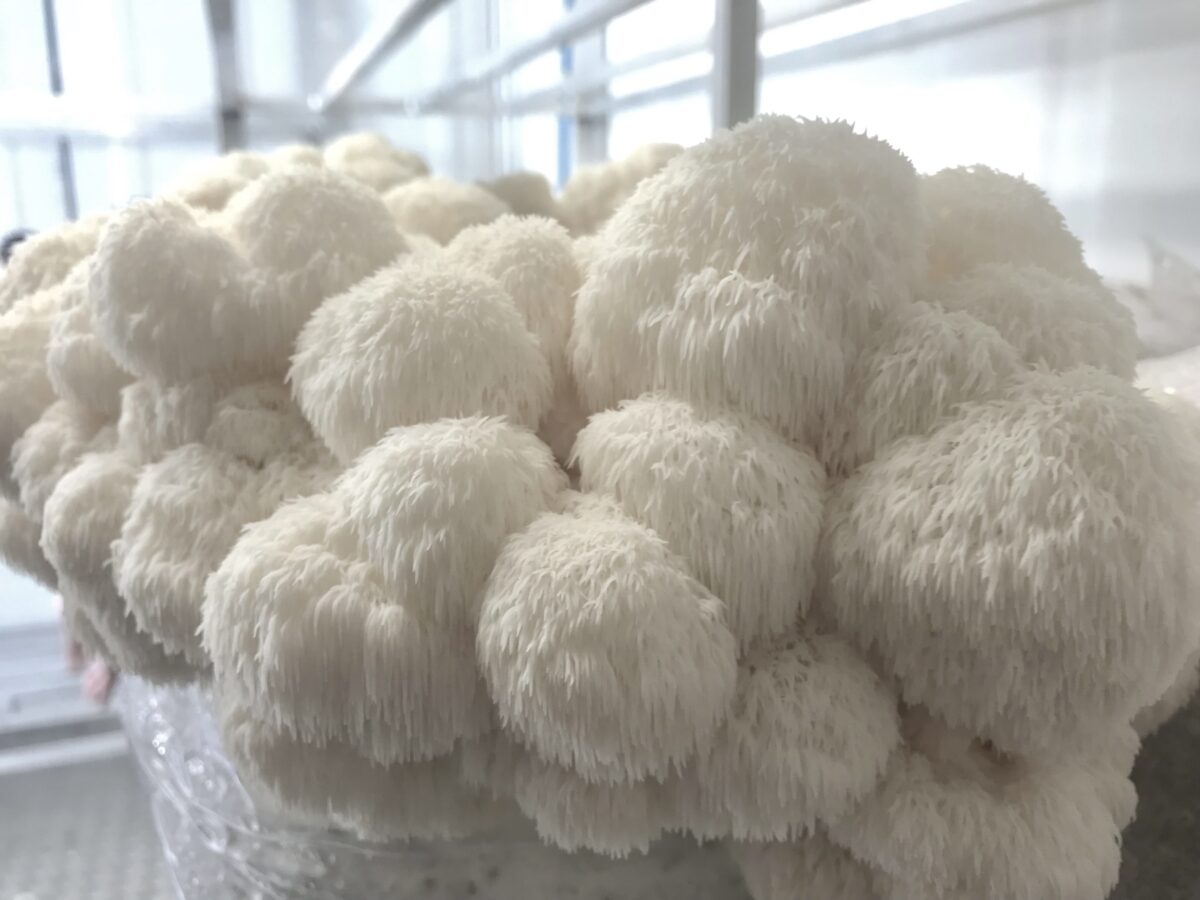
These days, container farms and other controlled-environment systems are being used not only to produce lettuce, kale and herbs, but also gourmet mushrooms, fodder, medicinal crops and specialty produce that can transform local economies and communities.
For nonprofits and community organizations, CEA offers a powerful tool for social impact. Food insecurity continues to affect urban neighborhoods, rural towns, islands and remote communities across the globe. Traditional supply chains are often expensive, unreliable or vulnerable to weather disruptions. Controlled-environment systems provide a way to grow fresh food consistently, locally and with significantly less water and land than conventional agriculture.
Community-focused growing programs can create far-reaching benefits beyond food production alone. Schools can use container farms as hands-on STEM education centers. Food banks and nonprofits can produce fresh, nutrient-dense crops year-round instead of relying entirely on donations. Workforce development programs can train participants in agriculture technology, food systems and sustainability practices. In correctional facilities and rehabilitation programs, controlled-climate farming can provide vocational skills that lead to employment opportunities after release (see how a FarmBox is being utilized at FCI-Coleman Low in Florida).
Gourmet mushrooms are becoming an especially compelling crop for nonprofit and social enterprise models because they require relatively little space, thrive in controlled conditions and can generate meaningful economic value. Oyster, lion’s mane and shiitake mushrooms can often be grown in environments where traditional farming would be impossible. For organizations seeking to create sustainable funding streams, mushrooms offer a unique cross-section of nutrition, education and revenue generation.
At the same time, the private sector is increasingly recognizing the profitability potential of CEA beyond traditional greens production. Consumer demand for specialty foods continues to rise, especially among restaurants, chefs, health-conscious consumers and local grocery markets. Gourmet mushrooms have emerged as one of the most attractive opportunities within this space.
Unlike many commodity crops, specialty mushrooms command premium pricing and appeal to multiple industries simultaneously. Restaurants value their flavor profiles and culinary versatility. Health and wellness consumers are increasingly drawn to functional mushrooms associated with focus, immunity and overall wellness. Retailers appreciate locally grown products with short supply chains and consistent quality. In terms of profitability in CEA, mushrooms are now king.
Controlled-environment mushroom production offers businesses advantages in predictability and scalability. Environmental conditions can be tightly managed to optimize yields and consistency regardless of external weather conditions. Production cycles are relatively fast — usually around 5 weeks — allowing growers to respond quickly to market demand. Because mushrooms can be cultivated in a container farm, operators can maximize production within compact footprints, making them ideal for urban and distributed farming models.
Importantly, the growth of mushrooms within CEA should not be viewed as replacing leafy greens production. Instead, it highlights the growing flexibility of controlled-climate agriculture as a whole. Leafy greens remain foundational to the industry because they provide reliable nutrition, efficient turnover and broad consumer demand. In many cases, greens production serves as the entry point that demonstrates the viability of local food systems (see Primitive Greens, which grows both crops in Grand Cayman).
What’s changing is the realization that controlled-environment agriculture is not limited to a single crop category. The same innovation that allows communities to grow lettuce during winter storms can also empower entrepreneurs to cultivate high-value mushrooms near major markets. The same systems that help nonprofits address food insecurity can help businesses build resilient revenue streams.
As global food systems face increasing pressure from climate volatility, water scarcity and supply chain disruptions, versatility will become one of agriculture’s greatest strengths. Controlled-environment agriculture is proving that it can support both purpose and profit, creating opportunities to feed communities, educate future growers and build sustainable businesses all at the same time.