Global Fertilizer Shortage Reshaping Farming, Food Costs

Food prices have been a major concern for consumers over the last several years, but an emerging challenge in 2026 is adding even more pressure to grocery bills: a worldwide fertilizer shortage.

Fertilizer, comprising nitrogen, phosphorus, potassium and other essential nutrients, helps crops achieve the yields needed to feed our growing global population. When fertilizer supplies become constrained or prices rise dramatically, farmers are forced to make difficult decisions that can ultimately affect food availability and affordability. That’s exactly what we’re seeing now.
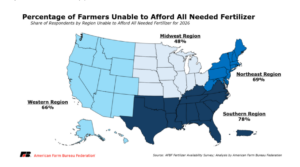
Courtesy of the American Farm Bureau Federation.

The impact of fertilizer shortages didn’t show up overnight. Instead, it has followed a chain reaction. As fertilizer prices rise, growers must either absorb the additional costs, reduce fertilizer application rates or shift to crops that require fewer inputs. In some cases, using less fertilizer can lead to lower yields, which means less food entering the marketplace. When supply tightens, prices tend to rise, and consumers are now feeling the squeeze.

Not all foods are affected equally. Fertilizer-intensive commodity crops such as corn, wheat and soybeans are often among the most vulnerable. Since these crops are used extensively in livestock feed, higher production costs can eventually ripple through the food system, affecting meat, dairy and egg prices.

Produce will also feel the effects, particularly field-grown vegetables such as lettuce, cabbage, broccoli and onions. However, the increase may be more moderate compared to some commodity crops because fertilizer represents only one component of overall production costs. Labor, transportation, water and packaging also play significant roles in determining produce prices.
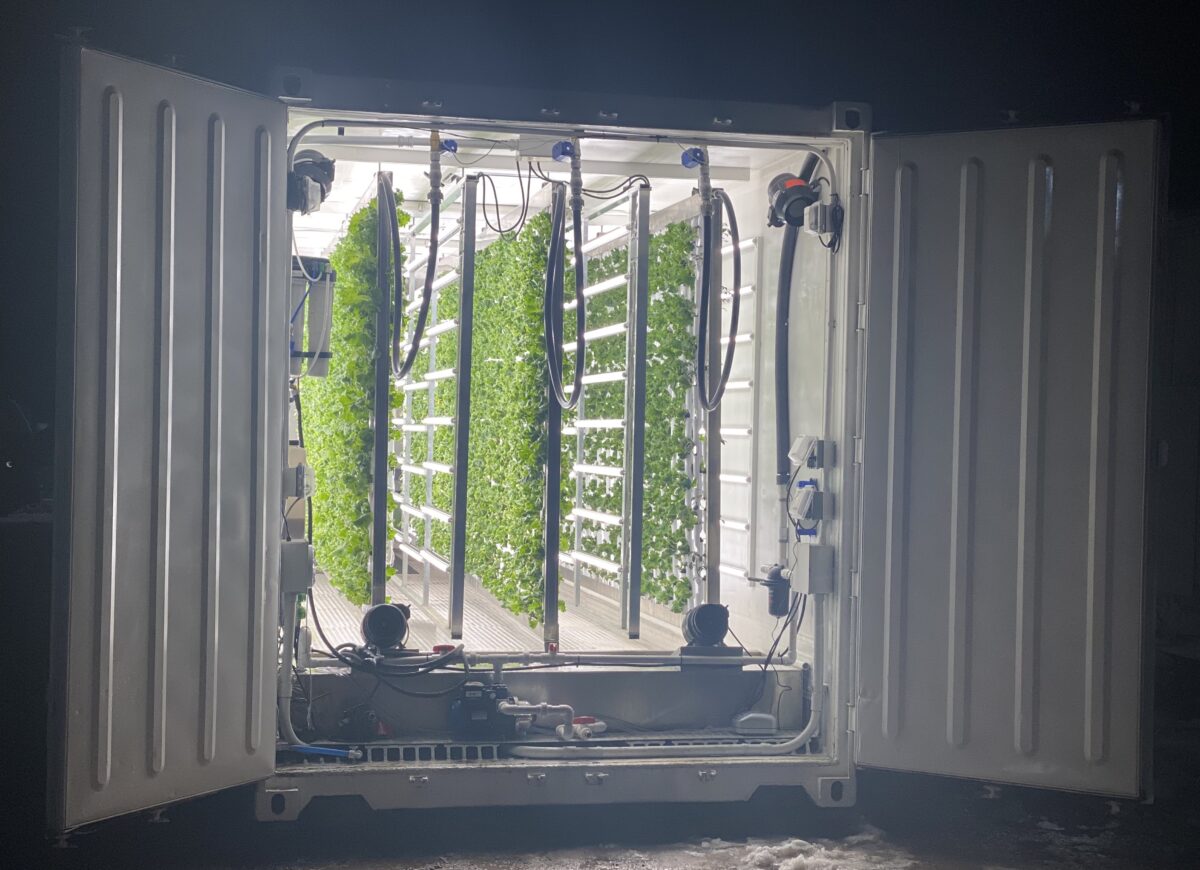
This evolving situation shines a spotlight on the advantages of controlled-environment agriculture (CEA), including hydroponic container farms, greenhouses and indoor vertical farms.

Unlike conventional field agriculture, controlled-environment systems typically use nutrients much more efficiently (FarmBoxes utilize liquid nutrients). Hydroponic growing methods deliver nutrients directly to plant roots and often recycle water and nutrients throughout the production cycle. This reduces waste and allows growers to produce more food with fewer inputs.

As fertilizer prices rise, the efficiency of controlled-environment agriculture becomes even more valuable. While CEA operators are not immune to higher nutrient costs, the impact is often less severe because of their ability to precisely manage nutrient delivery and minimize losses.

Additionally, controlled-environment farms offer benefits that extend beyond fertilizer efficiency. Local production reduces transportation requirements, shortens supply chains and provides communities with a more reliable source of fresh food regardless of weather conditions or global market disruptions.

“We’re trying to reach those communities that are more vulnerable to shifts in the food system. That includes remote locations like the Alaskan tundra and islands, where weather and supply chain issues are more pronounced,” said Chris Michlewicz, vice president of public relations for FarmBox Foods.

For organizations focused on food security, community resilience or sustainable food production, fertilizer shortages serve as a reminder that the future of agriculture will depend on more than just maximizing yields. It will require building systems that can adapt to supply chain disruptions while continuing to deliver fresh, nutritious food.

As global fertilizer markets remain uncertain, controlled-environment agriculture is proving to be more than an alternative growing method. It is becoming an increasingly important tool for creating predictable, resilient and efficient food production systems in an unpredictable world.
High Fuel Prices & Fertilizer Shortages Hit Farmers & Consumers

Higher fuel prices and disruptions in the fertilizer supply chain have combined to create a difficult economic environment for U.S. farmers, primarily by driving up input costs and squeezing already thin profit margins.

Modern agriculture is highly dependent on both diesel fuel for running equipment, irrigation and transporting goods, and synthetic fertilizers, which are essential for maintaining crop yields. When both of these inputs become more expensive or harder to access at the same time, the financial pressure compounds quickly.

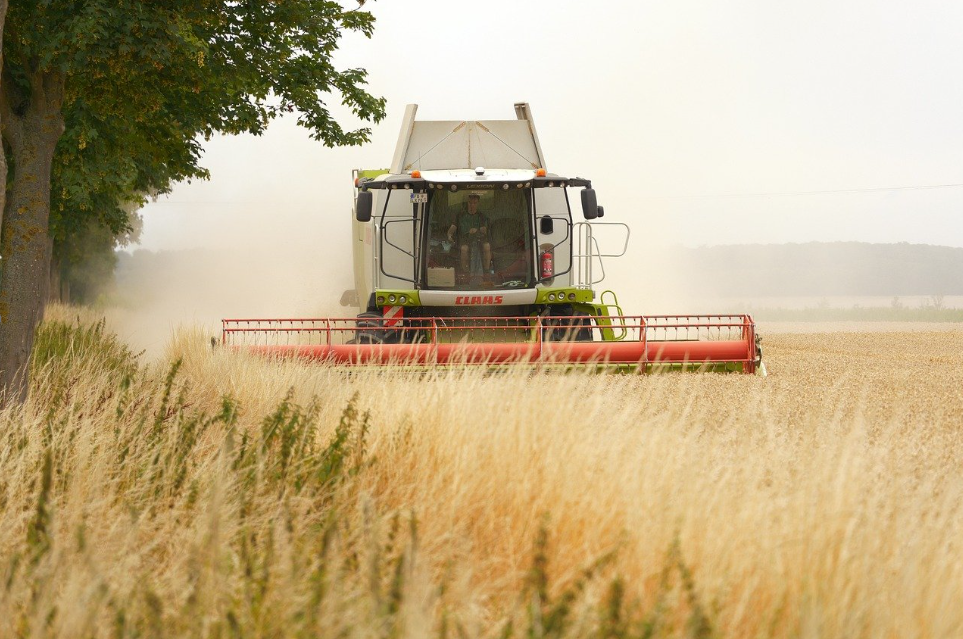
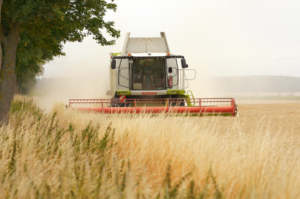
A combine driving through a field of wheat.
A rapid rise in fuel prices and a shortage of fertilizer are having global impacts on farmers and consumers.

Fuel costs have risen sharply in recent periods, with farm diesel prices increasing significantly in short timeframes, partly due to the ongoing war in Iran. This affects nearly every stage of production, from planting and harvesting to drying and shipping crops. Higher fuel prices also indirectly increase costs by raising the price of transporting fertilizer and other inputs. According to industry data, fuel and fertilizer costs together have increased by roughly 20–40% in some cases, creating a major burden during critical planting seasons.

At the same time, fertilizer markets have been disrupted by global supply chain issues, including geopolitical conflicts and energy market volatility. Fertilizer production is heavily dependent on natural gas, so rising energy prices translate directly into higher fertilizer costs. Supply disruptions, especially in key export regions, have further tightened availability, pushing prices upward and making it harder for farmers to secure the quantities they need. In fact, about 70% of U.S. farmers report they cannot afford to purchase all the fertilizer required for their crops.

These rising input costs are particularly problematic because crop prices have not kept pace. Many farmers are selling commodities like corn and soybeans at lower prices than in recent years, meaning their revenue is declining while expenses are rising. This imbalance is leading to tighter or even negative profit margins. Surveys indicate that nearly six in ten farmers report worsening financial conditions, with many facing multiple consecutive years of economic strain.

Healthy lion's mane mushrooms growing in a modular, controlled-environment farm.
Local food production can reduce the strain caused by supply chain disruptions, including decreasing the amount of transportation required for delivering harvested vegetables.

Operational decisions are also being affected. Some farmers are reducing fertilizer usage, delaying purchases or switching crops to cut costs. While these strategies may help in the short term, they can lead to lower yields and reduced productivity over time. Others are postponing equipment upgrades or cutting back on expansion plans, slowing overall agricultural growth.

For consumers, these pressures eventually show up at the grocery store. When farmers face higher production costs, those increases often move through the supply chain in the form of higher food prices. Reduced fertilizer use can also lead to smaller harvests, which tightens supply and puts additional upward pressure on prices. At the same time, higher fuel costs raise transportation expenses, making it more expensive to move food from farms to distribution centers and retail shelves. The result is a compounding effect where consumers may see both higher prices and less price stability, especially for fresh produce and staple crops.

It’s situations like this that make the case for hyperlocal indoor farming all the more compelling. Growing local saves on fuel, reduces the likelihood of supply chain hiccups, and often doesn’t count on fertilizers to get the job done.

While there is and always will be a need for traditional farming, diversifying sources should be front of mind. It will leave us all in a better position should this crisis recur.