
For as long as we can remember, agriculture has depended on one thing above all else: a measure of predictability.
The Farmers’ Almanac was a crucial ally in the fight. Growers would rely on seasonal weather patterns, dependable water access, stable transportation networks and consistent labor availability to bring crops from seed to harvest. But today, a lot of those key elements are becoming increasingly uncertain.
Extreme weather events are intensifying across the globe. Drought conditions continue to impact major agricultural regions in the American West, especially California. Flooding, heat waves, cold snaps and severe storms are disrupting planting and harvesting schedules with greater frequency. At the same time, supply chain disruptions, rising fuel costs, labor shortages and fluctuating fertilizer prices are placing additional pressure on growers and food distributors alike.
In an unpredictable world, predictable production matters more than ever.
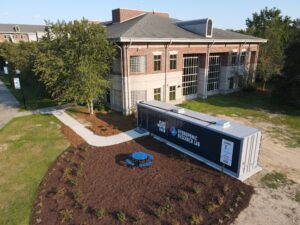
That reality is one of the driving forces behind the growing interest in controlled-climate agriculture. Unlike traditional outdoor farming, controlled-climate systems allow growers to create stable growing environments that are insulated from many of the challenges affecting conventional agriculture today. Whether housed inside greenhouses, vertical farms or shipping container farms, these systems give operators greater control over temperature, humidity, lighting, irrigation and nutrient delivery.
The result is consistency.
Predictable agriculture means knowing that crops can be produced year-round regardless of weather conditions outside. It means having the ability to forecast production schedules with greater confidence and reduce the risk associated with crop loss due to environmental factors. In industries where margins are often thin and food demand never stops, consistency can make an enormous difference.
Consumers are beginning to feel the effects of agricultural unpredictability firsthand. Produce shortages, price increases and inconsistent quality have become more common in grocery stores across the country. A drought in one region or a transportation disruption thousands of miles away can suddenly impact the availability and cost of fresh food in local communities. Controlled-climate farming helps reduce some of those vulnerabilities by decentralizing production and bringing food cultivation closer to the point of consumption.
Instead of relying exclusively on produce transported across multiple states or international borders, communities can supplement portions of their food supply through localized growing systems. This approach not only shortens supply chains but also helps reduce the sizable carbon footprint associated with long-distance transportation and refrigeration.
Water conservation is another major reason predictable agriculture is gaining attention. Traditional farming remains heavily dependent on rainfall and large-scale irrigation, both of which are becoming more challenging in drought-prone regions. Controlled-climate systems, particularly hydroponic operations, can dramatically reduce water consumption by recirculating water directly to plant roots rather than losing large amounts to evaporation or runoff. In areas where water access is becoming increasingly limited, that targeted efficiency could become essential for long-term agricultural sustainability.
Predictability also creates opportunities for a new generation of growers.
The average age of farmers in the United States continues to rise, creating concerns about the future agricultural workforce. Controlled-climate agriculture introduces technology-driven farming methods that may appeal to younger generations interested in sustainability, engineering, automation and food innovation. Because container farms and indoor growing systems can operate on smaller footprints and in nontraditional locations, they may also lower barriers to entry for aspiring farmers who do not have access to large amounts of farmland or equipment.
At the same time, controlled-climate agriculture is not intended to replace traditional farming altogether. Conventional agriculture will always remain essential for large-scale commodity crops (think corn and wheat) and global food production. Instead, controlled-climate farming serves as a complementary solution that strengthens overall food system resilience. It provides a way to grow certain crops more predictably, closer to consumers, and with fewer environmental variables influencing production outcomes.
As uncertainty continues to shape global agriculture, resilience is becoming just as important as productivity. Communities, businesses, institutions and governments are increasingly recognizing the importance of localized food production systems that can continue operating during disruptions. From military installations and schools to remote communities and urban centers, controlled-climate agriculture offers an opportunity to improve food access while reducing dependence on fragile supply chains.
The future of farming may not depend solely on producing more food. It may depend on producing food more reliably and more efficiently.
In a world where weather patterns, transportation systems and resource availability are becoming harder to predict, agriculture that delivers consistency, efficiency and adaptability will continue to grow in importance. Predictable agriculture is no longer simply a technological advancement. It is rapidly becoming a necessity.