Take a look at the produce in your refrigerator.
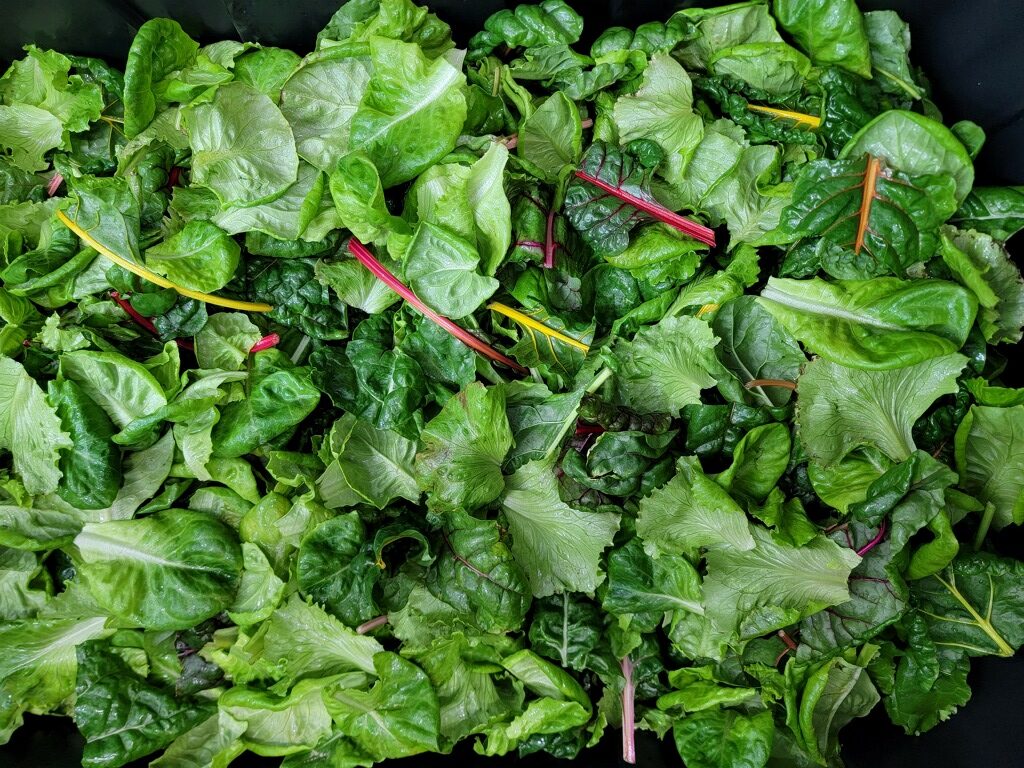
That head of lettuce, carton of strawberries, or bunch of spinach likely traveled farther than many people do on vacation before landing in your shopping cart. 
Our modern food system is incredibly efficient, allowing us to enjoy fresh fruits and vegetables year-round regardless of the season. But that convenience comes with a fascinating logistical story. Every day, millions of trucks, trains, ships and airplanes move food across the United States, consuming enormous amounts of fuel along the way.
The numbers don’t lie.
Just How Far Does Our Food Travel?
The concept of “food miles” measures the distance food travels from where it’s grown to where it’s eaten.
According to research compiled by the National Center for Appropriate Technology (NCAT), fresh produce in the United States travels an average of more than 1,500 miles before reaching consumers. Processed foods average over 1,300 miles.
Some crops travel even farther.
Researchers at the former Leopold Center for Sustainable Agriculture examined produce arriving at Chicago’s wholesale market and found:
- Lettuce traveled over 2,000 miles
- Broccoli traveled over 2,000 miles
- Spinach traveled over 2,000 miles
- Grapes traveled over 2,000 miles
The average distance for the 30 produce items studied was 1,518 miles.
Those numbers aren’t surprising when you consider that much of America’s produce comes from concentrated growing regions like California’s Central Valley, Arizona’s Yuma region, Florida and Mexico before being distributed nationwide.
The Trucking Industry Does the Heavy Lifting
While railroads and ships play important roles in moving agricultural commodities, trucks handle the vast majority of fresh food distribution.
Refrigerated trailers transport everything from lettuce and berries to milk and frozen foods while maintaining carefully controlled temperatures throughout the journey.
A typical semi-truck averages approximately 6 to 7 miles per gallon of diesel fuel, depending on terrain, weather, weight and aerodynamics. That means a truck hauling produce 1,500 miles will burn roughly 215 to 250 gallons of diesel on that trip alone.
Now multiply that by thousands of trucks delivering food across America every day, and the scale becomes staggering.
America’s Food Freight Adds Up Fast
Transportation is only one piece of the food system, but it’s a significant one.
According to NCAT, transportation accounts for approximately 14% of the total energy used within the U.S. food system.
Researchers from the University of Michigan also found that while food transportation is extensive, the production of food itself accounts for a larger share of overall greenhouse gas emissions. Transportation contributes roughly 11% of food-related greenhouse gas emissions, while the production phase accounts for about 83%.
In other words, growing food requires far more energy than moving it, but transportation still represents a meaningful opportunity for improving efficiency.
Every Mile Costs Money
Fuel is one of the largest operating expenses for trucking companies.
If diesel costs $3.75 per gallon and a truck averages 6.5 mpg, fuel alone costs roughly 58 cents per mile.
A 1,500-mile shipment therefore requires approximately $865 worth of diesel fuel, and that’s not counting driver wages, equipment maintenance, refrigeration systems, insurance, tires, depreciation and distribution centers
Those transportation costs are ultimately reflected in the price consumers pay at the grocery store.
Local Production Is Gaining Attention
None of this means long-distance transportation is inherently bad.
Large-scale agriculture often benefits from ideal climates, economies of scale and highly efficient logistics. In some cases, producing food in the best growing region and transporting it efficiently can actually have a smaller environmental footprint than producing it locally under less favorable conditions.
However, there are situations where producing food closer to where it’s consumed offers meaningful advantages.
Local production can reduce transportation costs, decrease fuel consumption, shorten supply chains, preserve freshness, reduce spoilage (and therefore food waste), and increase resilience when disruptions occur
This is especially true for highly perishable crops like leafy greens, herbs and specialty vegetables.
A Different Approach to Food Production
As weather events, labor shortages, and transportation costs continue to challenge traditional agriculture, many organizations are rethinking where food should be grown.
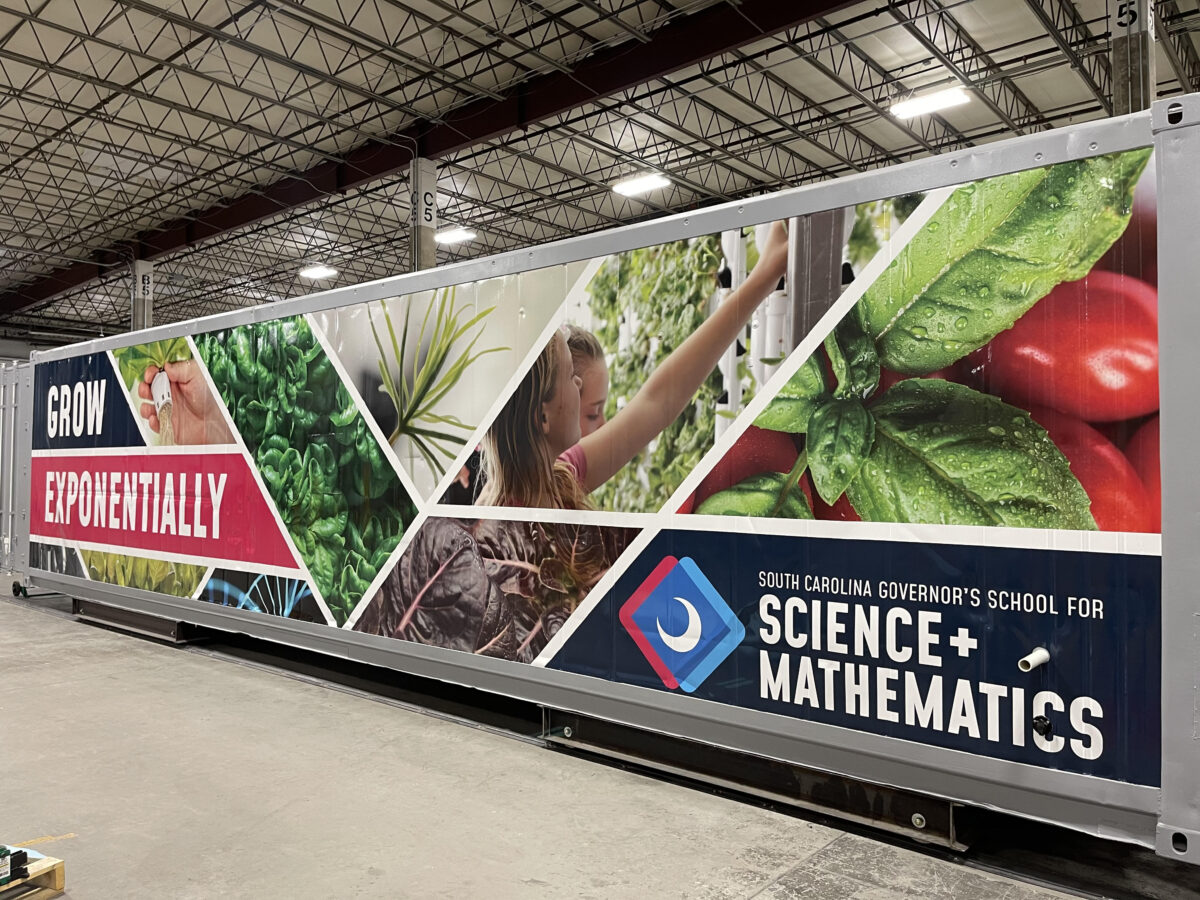
Controlled environment agriculture, including hydroponic container farms, allows fresh produce to be grown directly where it’s needed, whether that’s outside a grocery store, beside a restaurant, on a school campus, or at a military installation.
Instead of shipping lettuce 1,500 miles across the country, it’s possible to harvest it just a few hundred feet away from where it will be eaten.
That’s not about replacing traditional agriculture. America’s large farming regions will always play a vital role in feeding the country.
But shortening the distance between harvest and plate can reduce transportation costs, improve freshness, strengthen local food security and make communities less vulnerable to supply chain disruptions.
In a world where nearly every tomato, head of lettuce and package of herbs has its own transportation story, sometimes the shortest journey is the most valuable one.