FarmBox Foods Grateful for ‘Coolest Thing’ Recognition

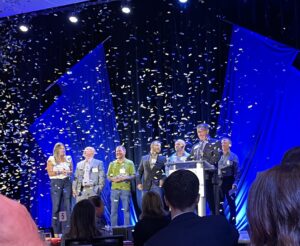
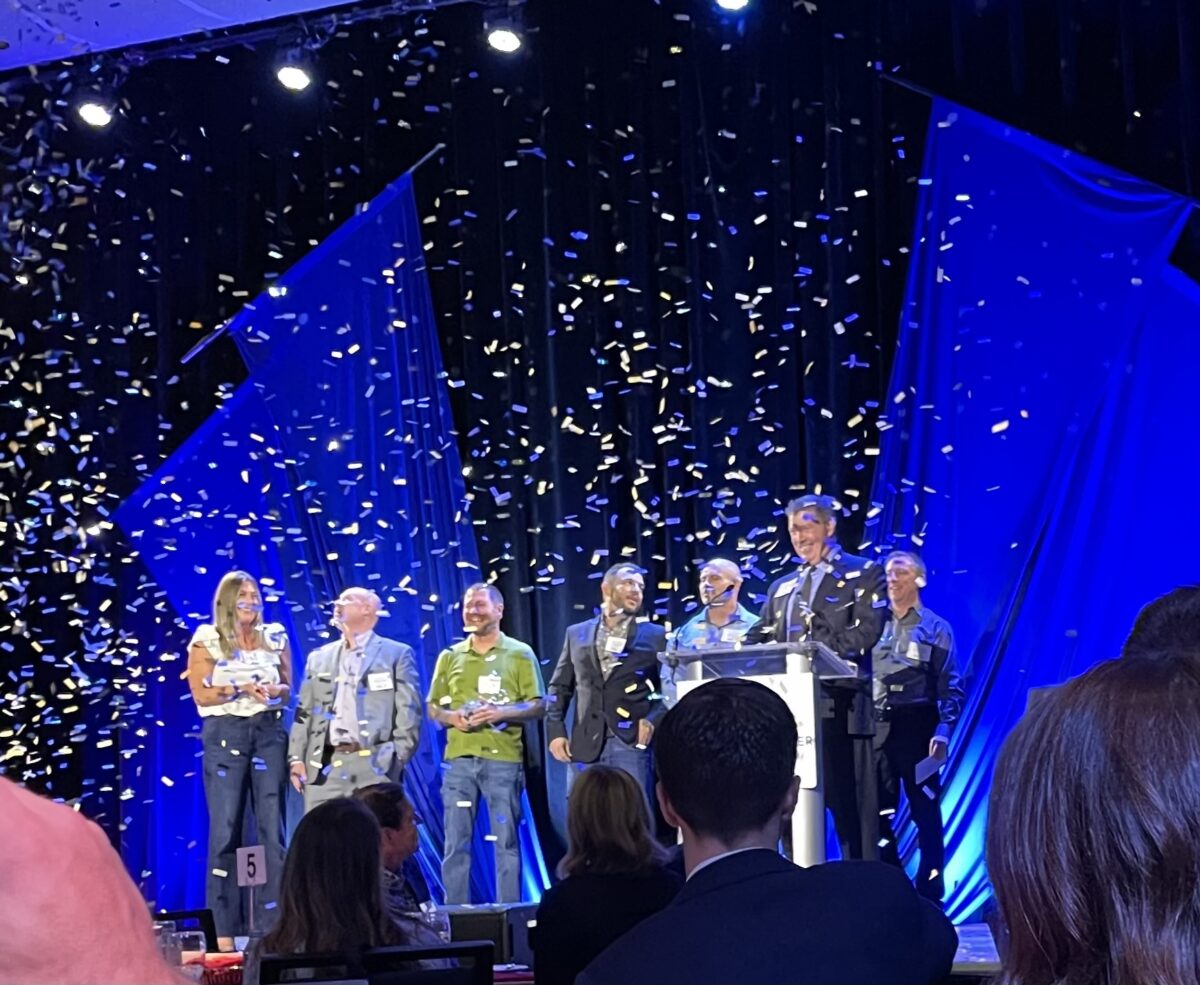
A high-tech farm housed in an upcycled shipping container was the top winner at this year’s Coolest Thing Made in Colorado contest by the Colorado Chamber of Commerce.

The top 10 nominees were joined by 300 attendees at the annual awards ceremony Oct. 23 at the Seawell Ballroom in the Denver Center for the Performing Arts, including state dignitaries, business leaders, chamber staff, students and supporters.

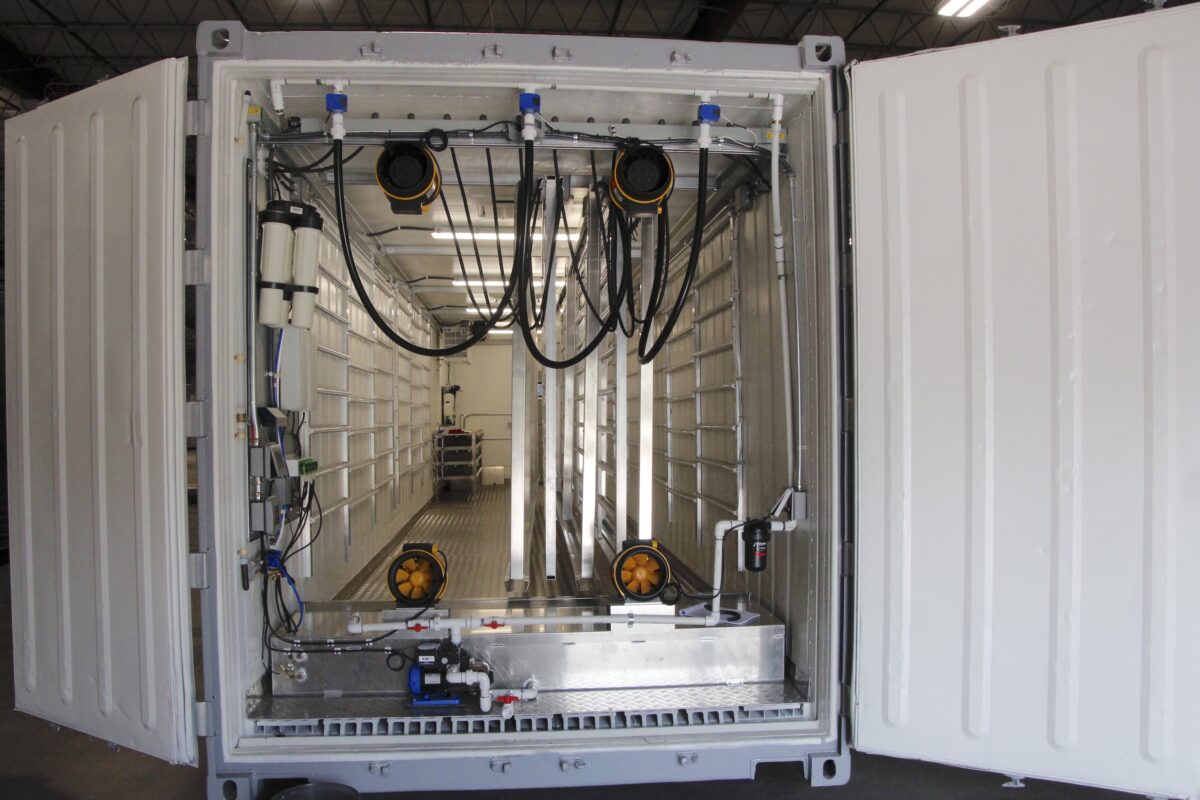
The controlled-climate container farm — manufactured in Colorado by FarmBox Foods — has been deployed worldwide to enable people and organizations to sustainably grow food in places where farming is typically not possible, whether due to short growing seasons, poor climate conditions, limited space or infertile soils.

“A recognition like this is a true honor and shows that we’re on the right track,” said Rusty Walker, CEO of FarmBox Foods. “Since the beginning, we have led with our mission and values and followed our instincts, and it’s brought us to this point.”

Walker said having a spotlight like the one that comes with the ‘Coolest Thing’ award could be a catalyst to inspire others to adopt the ag technology and feed people. He promised the company would be “good stewards” of the award and what it stands for.

Jason Brown, vice president of operations for FarmBox Foods and the original designer and builder of the company’s prototypes, said he’s grateful for the excitement generated by something that started with a simple idea: using tech and science to grow food using fewer resources.

“Our role has been designing, building and delivering the technology. It’s our customers who are doing great things with it, and having the privilege of watching them impact their community in a positive way will never get old,” Brown said.

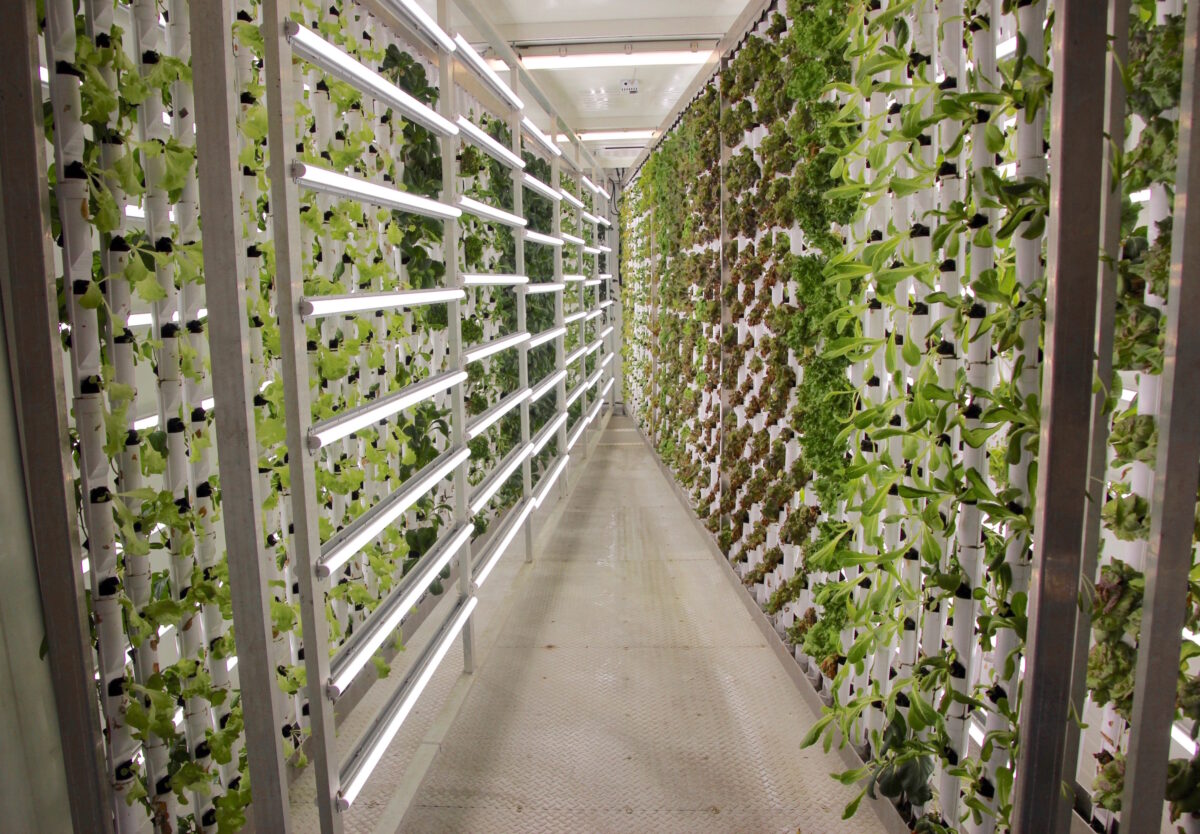
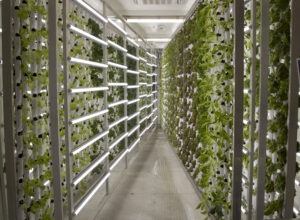
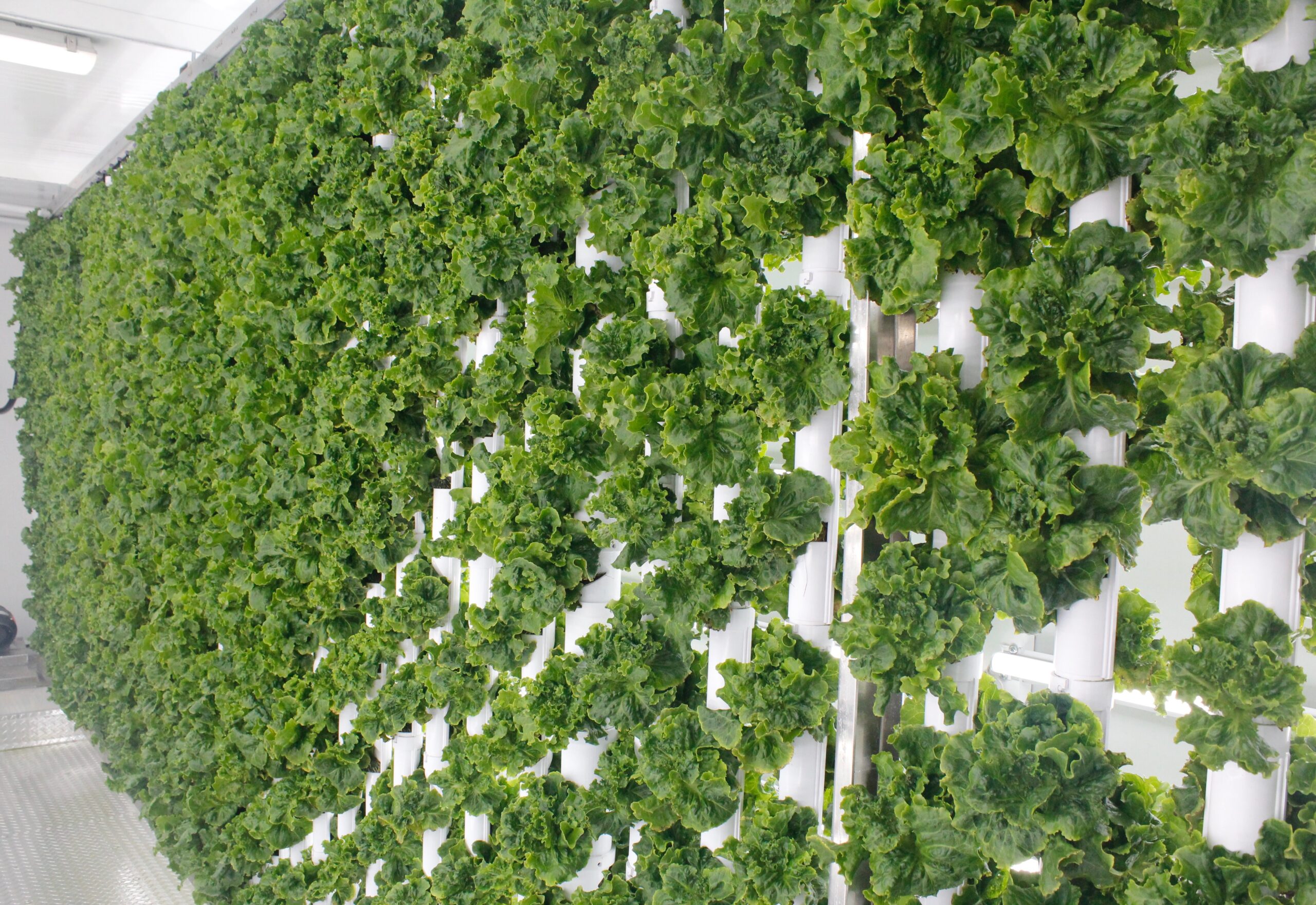
The Vertical Hydroponic Farm is a 320-square-foot container farm that reduces water usage and energy consumption associated with food production. It allows users to grow healthy food year-round, no matter the climate, and eliminates the variables that often come with traditional farming, including impacts from weather and pests. Growing near the consumer also reduces food miles and preserves shelf life. The company delivers the farms anywhere in the world they’re needed.

The Colorado Chamber of Commerce organizes the annual Coolest Thing Made in Colorado contest to highlight Colorado’s booming manufacturing industry.

Vertical Hydroponic Farm in the Top 10 for Coolest Thing Made in Colorado

FarmBox Foods’ Vertical Hydroponic Farm was named among the top 10 finalists for this year’s Coolest Thing Made in Colorado competition put on by the Colorado Chamber. See the press release below!


FOR IMMEDIATE RELEASE

August 7, 2025

Contact: CynthiaE@cochamber.com


Top Ten Finalists for 2025 Coolest Thing Made in Colorado Contest Announced

DENVER – The Colorado Chamber of Commerce today announced the top ten finalists for its fourth annual Coolest Thing Made in Colorado competition sponsored by FirstBank.

“This year’s top ten finalists represent Colorado innovation in so many ways,” said Loren Furman, President and CEO of the Colorado Chamber of Commerce. “From breakthroughs in space technology to products that support our farmers, protect our environment, and celebrate our love for the outdoors, these finalists reflect what makes Colorado such a unique place to live and work. We’re proud to highlight these amazing companies and look forward to celebrating them in October.”

The finalists were chosen by an independent selection committee who reviewed and assessed each nomination. The finalists will be honored at the Colorado Chamber’s Coolest Thing Awards Banquet on October 23, where the 2025 winner will be announced and presented with the Coolest Thing Made in Colorado trophy. The Chamber will also announce special categories of winners, including a “People’s Choice” award based on an online voting tool that will launch in the coming weeks.

The Coolest Thing Made in Colorado top ten finalists are as follows:Coolest Thing Made in Colorado logo

 

AE.1 Cosmos by Lightship

The AE.1 Cosmos is the first all-electric aero-electric travel trailer with a 77 kilowatt-hour battery and rooftop solar panels that create a fully self-contained power system. Made in Broomfield, its aerodynamic design and TrekDrive assist system improve towing efficiency and provide up to a week of off-grid living, offering a quiet and low-maintenance option for travel.


AIEye by HapWare

AIEye is a wearable assistive technology that translates nonverbal communication cues such as facial expressions, gestures and body language into discreet haptic feedback for people who are blind, low vision or autistic. The device pairs smart glasses with an integrated camera and a wristband to detect over 25 visual social cues and translates them into distinct, intuitive vibration patterns on the wrist. Made in Golden, AIEye is built for real-world durability, speed and ease of use.


Austere Remediation Unit (ARU-10T) by Austere Environmental

The Austere Remediation Unit (ARU-10T) cleans 10 tons of diesel-contaminated soil per day, removing 99.99% of pollutants and recovering the diesel for reuse. Developed in Golden, Colorado, the system helps prevent water contamination, reduces greenhouse gas emissions, and keeps contaminated soil out of landfills, offering a cleaner and more sustainable solution for waste management.


Autonomous Nano Tractor (ANT) by Barn Owl Precision Agriculture

The Autonomous Nano Tractor (ANT) is a fully electric, self-driving mini tractor engineered in La Junta, Colorado, for small to midsize farms. It handles precision row-crop tasks like weeding, targeted spraying, and planting support, cutting manual labor by more than 50% and reducing input costs by about 30%. Its modular design and advanced computer vision make it a scalable, low-maintenance solution for both regenerative and conventional farms.


Clarity-1 by Albedo

Clarity-1, developed by Albedo in Broomfield, is the first commercial very-low-Earth-orbit (VELO) satellite to 10-centimeter visible imagery and 2-meter long-wave infrared data in a single pass. Launched in March 2025, it marks a breakthrough in multispectral imaging, providing unprecedented detail for applications from city planning to climate research.


Innovaflex Arrays by InnovaFlex Foundry

The InnovaFlex Arrays, manufactured in Colorado Springs, are complex electrical systems built on glass or flexible materials that enable the measurement or application of electrical signals. These arrays have multiple uses, including “Organ-on-a-Chip” applications that allow researchers to study how human tissue responds to pharmaceuticals or treatments, reducing the need for animal testing and supporting more personalized medical approaches.


Laser Maze Challenge by Funovation

The Laser Maze Challenge, manufactured in Longmont, is an interactive attraction where players navigate glowing laser beams, racing against time in three unique game modes that test agility, speed and strategy. With immersive lighting, video replays, and a live leaderboard, it delivers an action-packed experience for families, thrill-seekers and competitive gamers.


Spectra Optia Apheresis System by Terumo Blood and Cell Technologies

The Spectra Optia Apheresis System, developed in Lakewood, is an industry-leading platform for therapeutic apheresis, cell processing, and cell collection, capable of separating and returning blood components while targeting specific cells for treatment or research. First introduced in 2007, it’s now used in over 125 countries to support procedures for hematologic disorders, rare diseases and emerging cell therapies.


The Narwhals by Apex Cool Labs

Manufactured in Boulder, the Narwhals are portable cooling devices designed to quickly reduce core body temperature by targeting specialized vasculature in the palms. Used by professional athletes, firefighters, construction workers, and others exposed to extreme heat, Narwhals help improve heart rate recovery, extend work capacity and provide lasting relief from heat stress in demanding environments.


Vertical Hydroponic Farm by FarmBox Foods

The Vertical Hydroponic Farm, manufactured in Aurora, uses patented vertical farming technology inside upcycled shipping containers to maximize growing space while minimizing water and energy use. These solar-capable, climate-controlled farms enable year-round cultivation of mushrooms, leafy greens and herbs almost anywhere in the world.


Learn more about the Coolest Thing Made in Colorado contest at www.CoolestThingColorado.com


The Colorado Chamber of Commerce champions free enterprise, a healthy business environment and economic prosperity for all Coloradans. It is the only business association that works to improve the business climate for all sizes of business from a statewide, multi-industry perspective. What the Colorado Chamber accomplishes is good for all businesses, and that’s good for the state’s economy. It was created in 1965 based on the merger with the Colorado Manufacturers’ Association.

Consumer Health Trends Fuel Produce Innovation in Food Service

Recent insights shared in this article by The Packer highlight a powerful and increasingly pronounced shift in food service strategies: consumers’ growing demand for health-conscious eating is driving major innovation in fresh produce sales. Industry experts say this shift is reshaping menus, sourcing and packaging, expanding access and opening doors for CEA technologies.

Article highlights:

  • Health-forward menu items: Food service decision-makers are featuring produce in creative ways to satisfy consumers seeking nutrient-dense, plant‑based options.
  • Produce innovation: From novel cuts to new varieties and packaging formats, freshness and convenience are key themes.
  • Food service adapting: Chefs and operators are rethinking ingredient sourcing, menu flexibility and preparation efficiencies to meet evolving wellness expectations. Locally grown and locally purchased goods have gained more importance.

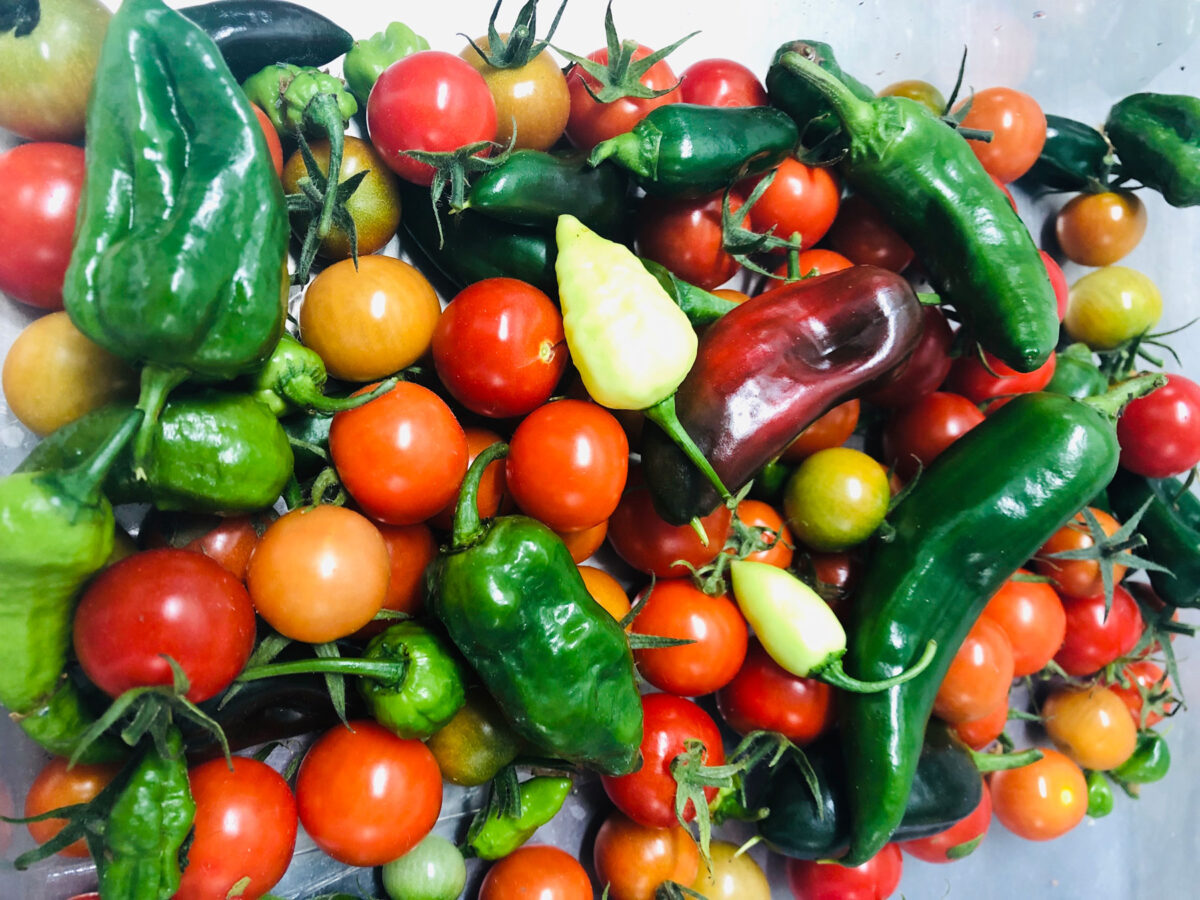
    Harvested veggies

Linking Trends to Controlled‑Environment Agriculture (CEA)

CEA (the indoor growing of fruits, vegetables and herbs using technologies like container farms, greenhouses and hydroponics) fits nicely into many of these emerging food service trends.

  1. Consistent Supply of High‑Quality, Nutrient‑Dense Produce

CEA enables year‑round production of crisp, nutrient‑retaining greens and microgreens, perfect for health‑centric operators who want predictable quality and availability.

  1. Novel Varieties & Flavor Innovation

CEA allows experimentation with niche and specialty varieties (e.g. colorful lettuces, edible flowers, herb hybrids) that stand out on menus — exactly the kind of produce innovation operators are seeking.

  1. Traceability & Transparency

Foodservice customers increasingly value knowing where their produce comes from and how it’s grown. CEA offers strong control over environmental parameters, traceable growing records, and often lower pesticide use—aligning with clean‑label preferences.

  1. Local Proximity & Sustainability

Urban vertical farms and greenhouse operations close to metro centers reduce transportation times dramatically, delivering fresher product with a smaller carbon footprint. Operators can highlight “locally grown, indoor‑grown, and pesticide-free” produce as a differentiator.

  1. Packaging & Shelf‑Life Benefits

Plants grown in optimized indoor settings often require less handling and damage, enabling minimal packaging solutions. Freshness and extended shelf life translate to less waste for food service operators.

  1. Menu Innovation & Customization

With controlled environments, growers can produce micro‑batches of specialty herbs or leafy greens on demand. Chefs benefit from flexible supply and can experiment with new ingredients or shareable formats tailored to health‑oriented menus.

What This Means for Foodservice Operators

         Food Service Challenge                 CEA Advantage
Unpredictable seasonal supply Consistent year‑round production
Desire for unique, fresh items Grow custom varieties and formats
Need for transparency and cleanliness Controlled inputs, reduced chemical use
Consumer preference for local Urban CEA provides nearby sourcing
High perishability & waste Longer shelf life, less bruising

By embracing CEA partnerships, food service brands can scale their innovation, deliver fresh, local, health‑optimized greens and produce, and respond nimbly to menu trends while enhancing supply chain reliability and sustainability.

Final Takeaway

The health-driven trends highlighted by The Packer signal a moment of transformation in produce strategy across foodservice. Operators eager to lead in the wellness and convenience space will find fertile ground in controlled-environment agriculture, leveraging its precision, consistency and foundations in sustainability to meet consumer demand for fresh, healthy and innovative produce.

Tech Advancements Reshaping What Farming Looks Like

Technological advancements in farming have dramatically transformed the way we grow and manage crops. Precision agriculture, which uses GPS, sensors, and data analytics, allows traditional farmers to monitor soil conditions, water usage, and crop health in real-time. This technology helps optimize resource use, reduce waste, and increase yields. When applying inputs like water and fertilizers more precisely, farmers can achieve better results with less environmental impact.

Automation is another significant breakthrough in modern farming. Robotics and AI-driven machinery are increasingly used for tasks such as planting, weeding, and harvesting. These technologies reduce labor costs and improve efficiency, especially in large-scale operations. Drones are also becoming more common, helping farmers survey their fields from above, monitor crop growth, and even apply treatments like pesticides more accurately.

Vertical farming, a method of growing crops in stacked layers, has gained popularity as a space-efficient and environmentally friendly solution. This approach uses less water, eliminates the need for soil, and allows for year-round production regardless of weather conditions. By controlling the environment, vertical farms can produce consistent and high-quality yields with fewer resources compared to traditional farming.

Container-based farms, a specific type of vertical farming, are an exciting innovation and have been developed in part by FarmBox Foods. These farms repurpose shipping containers into self-contained, climate-controlled growing environments. Equipped with advanced hydroponic or aeroponic systems, they enable food production in urban areas or places with limited agricultural space. Container farms are highly efficient, using up to 90% less water than traditional methods and often running on renewable energy.

Tech advancements like precision agriculture, automation, vertical farming and container-based farms are revolutionizing the farming industry. They make it possible to grow more food with fewer resources, reduce environmental impact, and bring fresh produce closer to consumers, even in urban settings. These innovations are not just enhancing productivity but also paving the way for a more sustainable and resilient agricultural future.


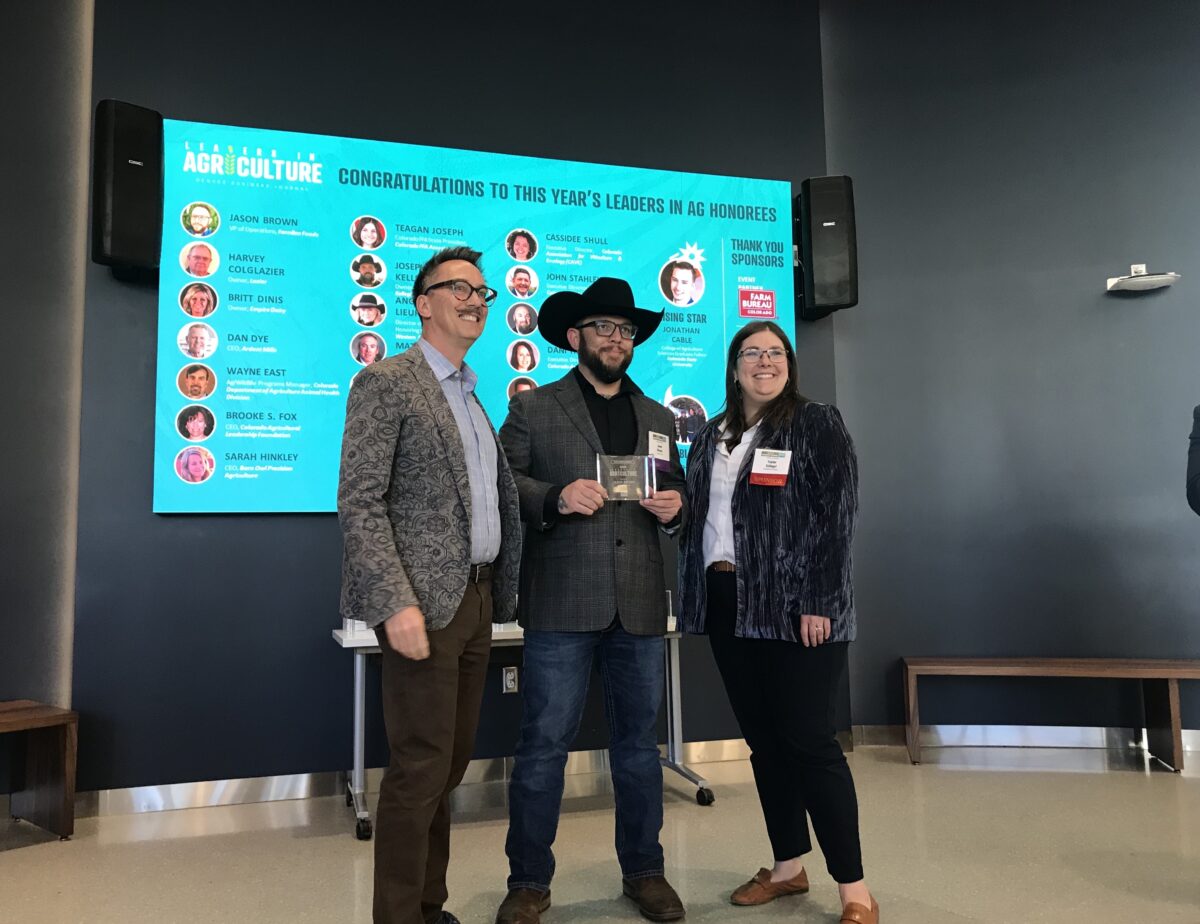
Jason Brown Named Colorado Leader in Ag

We’re incredibly proud to announce that Jason Brown, our VP of Operations, is one of 22 people in the entire state of Colorado to be named as a Leader in Agriculture by the Denver Business Journal. Jason was employee No. 1 at FarmBox and he designed and built our very first container farm from scratch.

A general contractor by trade, Jason has dived into his leadership role and oversees the deployment of all of our farms, among many other responsibilities. We’re fortunate to have a hardworking, forward-thinking person like Jason on our team, and we appreciate all that he’s contributed to our company and the world.

Jason was honored alongside the other 21 recipients during a ceremony on March 28, 2024, at the CSU Spur Hydro Building.

The Long-Term Impacts of Indoor Agriculture

Container farming, a version of indoor farming also known as vertical farming, involves growing crops in controlled environments within shipping containers or other enclosed spaces. The advent of this technology, which relies on sensors to control the growing parameters, holds a lot of promise, especially as climate shifts continue to farmers and ranchers in traditional settings. While it’s difficult to predict the future with absolute certainty, it’s now possible identify several potential long-term impacts of container farming.

Sustainable agriculture: Container farming offers a more sustainable and efficient way to grow crops compared to traditional outdoor agriculture. By using less land, water, and pesticides, it can help reduce the environmental impact of agriculture. This could lead to a decrease in deforestation, habitat destruction and the use of harmful chemicals that end up in our food and drinking supply.

Local Food Production: Container farming allows for year-round production of fresh produce, regardless of the local climate. This can reduce the need for long-distance transportation of food and promote local food systems. It may also help address food security and reduce the carbon footprint associated with food distribution.

Improved Resource Efficiency: Container farms can make more efficient use of resources like water, energy, and space. They often use hydroponic or aeroponic systems, which consume less water than traditional soil-based farming. Advanced climate control and LED lighting systems can optimize energy use. Colorado-based FarmBox Foods uses pre-insulated to help energy draws.

Food Security: Container farming can play a crucial role in ensuring a stable food supply in areas with food scarcity or those affected by natural disasters. The ability to control growing conditions can help mitigate the effects of climate change and other environmental challenges.

Job Creation: The container farming industry is growing, creating jobs in areas such as plant science, engineering, data analysis, business planning, and farm management. This can contribute to local and regional economic development.

Technology Advancements: As container farming technologies continue to evolve, they may lead to breakthroughs in agriculture, such as improved crop genetics, pest and disease management, and data-driven decision-making. These advancements are expected to benefit traditional agriculture as well.

Reduced Food Waste: By enabling on-demand production and minimizing transportation distances, container farming can help reduce food waste — currently a significant global issue — because food arrives on the plates of consumers much sooner after being harvested.

Educational Opportunities: Container farming can serve as a valuable educational tool, teaching people about plant biology, technology, and sustainable farming practices. Schools, universities, and community organizations use container farms to engage students and the public, including the South Carolina Governor’s School of Science and Math, Delaware State University, the EPIC Campus in Littleton, Colo., and more to come.

Space Exploration: Container farming concepts have been explored for space missions, such as Mars colonization, where growing food in a controlled environment is essential due to harsh environmental conditions. Research in this area may have applications for future space exploration.

The long-term impact of container farming is likely to be positive, with the potential to transform agriculture, reduce its environmental footprint, and address food security issues. But it will depend on continued technological advancements, cost reductions and successful integration into existing food production systems for it to make a sizable impact as we head into an uncertain agricultural future.

What Types of Plants Grow in a Vertical Hydroponic Farm?

We dedicated more than two years to research and development, figuring out what will and will not grow in our containerized Vertical Hydroponic Farm.

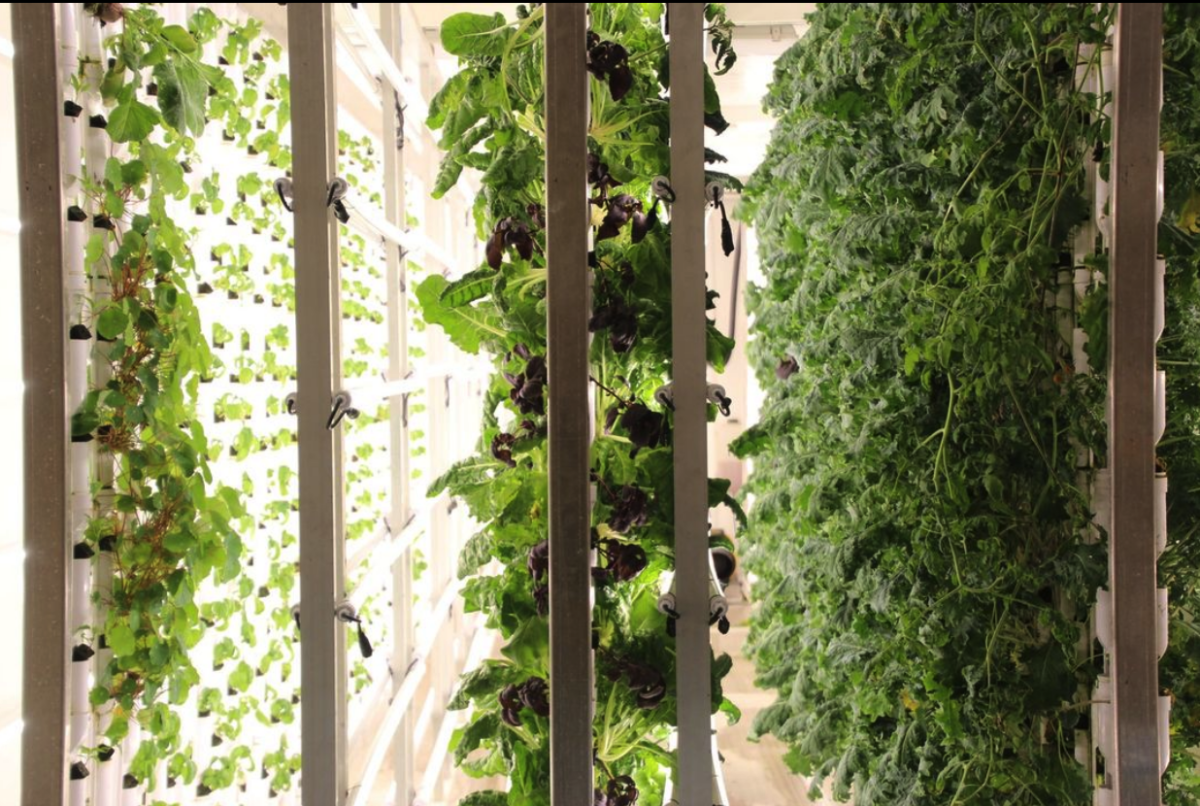
The following list is not meant to be all-encompassing, but rather provide a snapshot of the types of crops that we and our customers have focused on, like yellow onions, collard greens, kale, a range of different micro greens, bok choy, red leaf beet and watercress. Of course, we’re always experimenting and adding to the list.

Vertical hydroponic farm

Peppers

    • Jalapeno- Jefe, Jalafuego
    • Habanero- Helios, Paper Lantern
    • Serrano- Altiplano
    • Sweet Pepper- Lunch Box
    • Cayenne- Red Flame
    • Ghost peppers

Tomatoes

    • Slicer- Mountain Fresh
    • Grape- Verona
    • Cherry- Sakura

Lettuces

    • Romaine
    • Muir
    • Rex
    • Magenta
    • Rouxai
    • Red Butterhead
    • Green Butterhead
    • Green Star
    • Ezflor
    • Grazion
    • Red Oak
    • Tropicana
    • Frisee

Herbs

    • Cilantro
    • Parsley
    • Chives
    • Oregano
    • Prospera Basil
    • Genovese Basil
    • Purple Basil
    • Spicy Bush Basil
    • Dill
    • Lavender
    • Purslane
    • Mint

Greens

    • Rainbow Chard
    • Collard Greens
    • Red Vein Sorrel
    • Arugula
    • Dandelion
    • Golden Frills
    • Kale
    • Tatsoi
    • Red Kingdom
    • Spinach- Lizard, Space

Flowers

    • Viola
    • Marigold
    • Nasturtium

Cucumbers

    • Pickler- Excelsior

Beans

    • Bush Beans

Starters

    • Pumpkin- Jack O’Lantern
    • Sunflower- Giant, Skyscraper, Mixed Colors
    • Marigold- Crackerjack, French Double Dwarf

FarmBox Foods launches indoor farm that grows livestock feed

Trays of hydroponic fodder growing in an indoor farm.

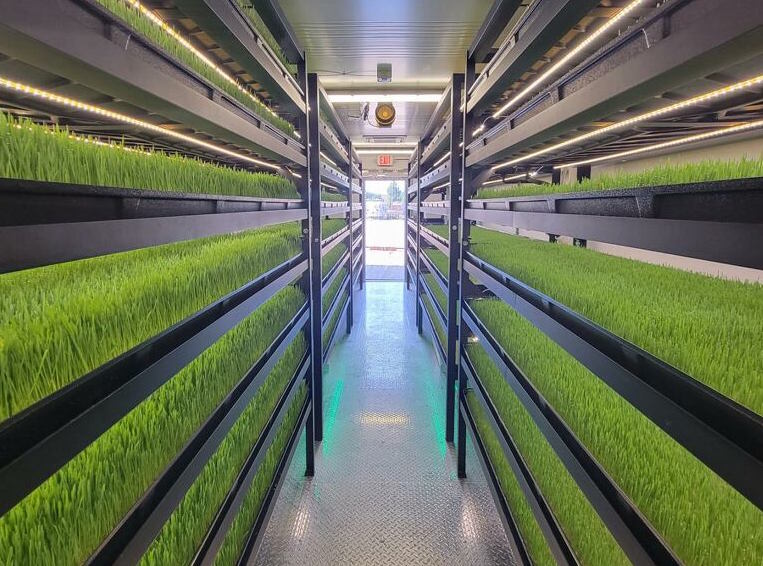
FarmBox Foods LLC is excited to announce the official launch of its Hydroponic Fodder Farm.

The company hosted a public open house on Sept. 27 at our home base in Sedalia, CO. Guided tours of the new indoor farm — the third product line offered by FarmBox Foods — were provided. Attendees also received a tour of the company’s other tech-assisted, containerized farms: the Vertical Hydroponic Farm and Gourmet Mushroom Farm.

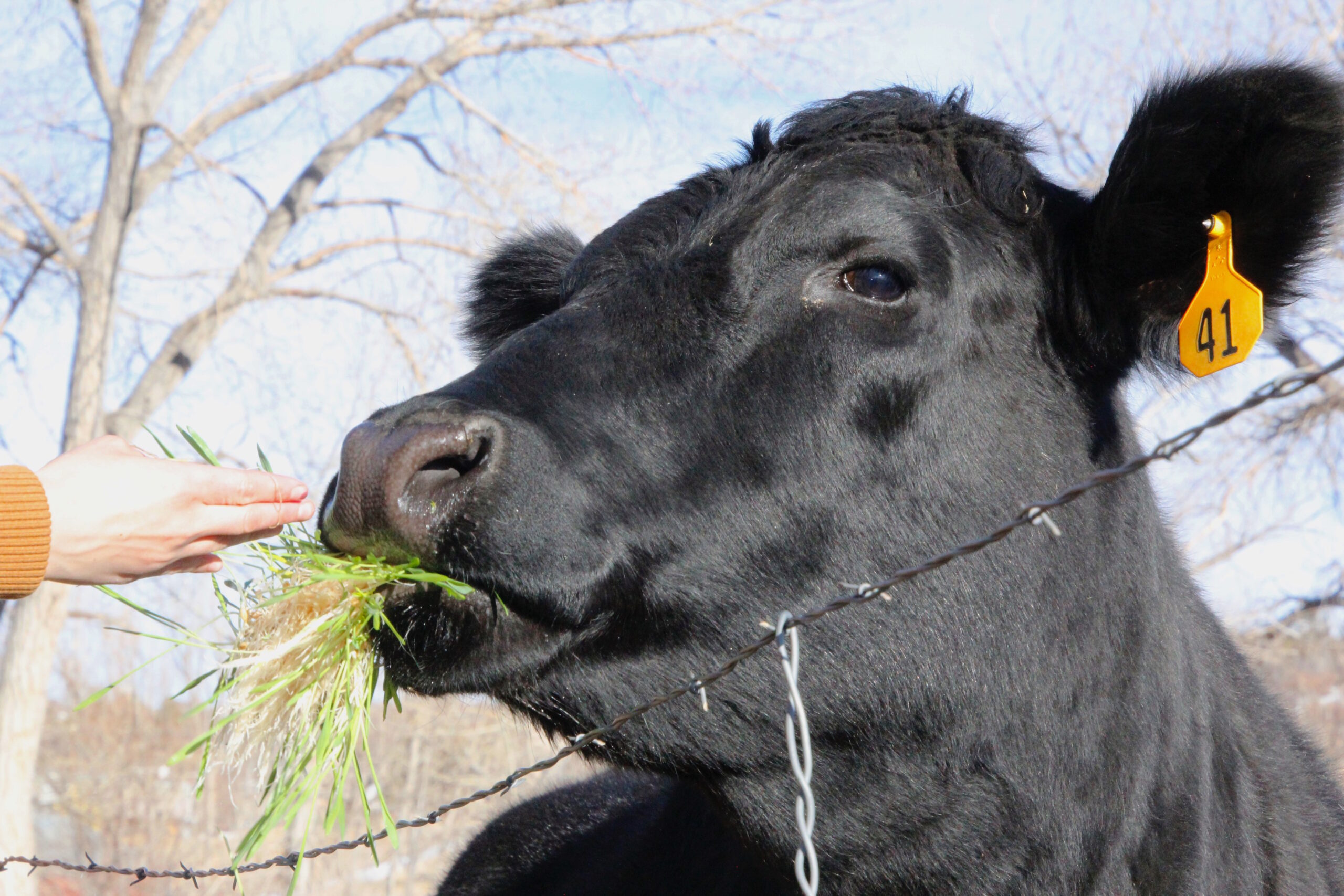
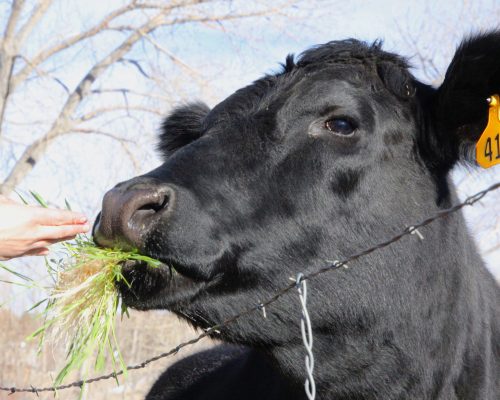
What exactly is fodder? It’s a nutrient-dense hay that’s used as a dietary supplement for horses, cows, pigs, goats, chickens, sheep, rabbits and alpacas.

(Want to learn more about FarmBox Foods? Watch our July appearance on ABC News here)

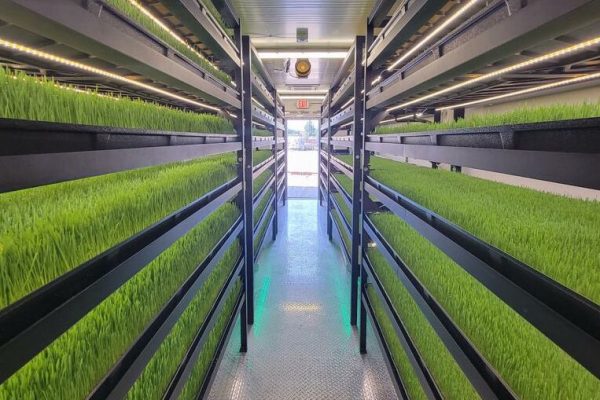
By growing fodder on site year-round, farmers and ranchers can avoid supply chain disruptions, sourcing issues and spikes in hay prices. The controlled-climate farms provide a reliable, hyperlocal source of fresh food while shielding the barley fodder from weather and climate impacts, including drought, heat waves, freezes and floods. The farms are housed inside upcycled, insulated shipping containers outfitted with plumbing, electrical and sensors to control conditions inside. The 320 square-foot farms also capture, filter and recycle water for maximum water efficiency. 

Protein-rich fodder improves the overall health of livestock, supplements hydration and adds weight to beef cattle. It also promotes the production of better-quality milk for dairy cows and goats, improves fertility rates, reduces the likelihood of illness, and decreases methane output because of its superior digestibility compared to traditional alfalfa hay.

Because barley fodder requires only a 7-day growth cycle, a staggered schedule allows farmers and ranchers to harvest around 880 pounds of fodder per day.

What makes FarmBox Foods a green-oriented company?

What makes FarmBox Foods a green-oriented company?

A cow eating hydroponic fodder

We use only upcycled shipping containers.
We give used, insulated shipping containers a new life: growing food at scale in areas that struggle with reliable cultivation and/or access. By outfitting them with the components to grow produce, the repurposed containers are kept out of landfills and scrap heaps.
 
The farms we build are designed to promote efficient water usage.
We capture, filter and reuse water in both our Hydroponic Fodder Farm and our Vertical Hydroponic Farm, which requires only about 5 gallons of water per day. Water is often lost to evaporation and transpiration in traditional farm settings. By recycling the water, our farms get the most out of every drop. In times of severe drought and diminishing water supplies, this efficiency is critically important. 
 
The farms were built to reduce energy usage associated with agricultural production.
Our Vertical Hydroponic Farm uses around 190 kwh per day, the energy equivalent of two loads of laundry. The Gourmet Mushroom Farm uses even less, drawing an average of only 80 kilowatt-hours of electricity each day. High-efficiency, low-energy LED lights are used in FarmBox containers to reduce energy consumption.
 
Reduced need for fossil fuels.
Every kilogram/pound of food waste has a corresponding waste factor for energy, labor, water, carbon emissions, etc. It takes a lot to get produce from point A to point B, including diesel fuel to power trucks and trains. Transporting goods across long distances could be a thing of the past, as our portable container farms enable people to grow food near the consumer, thereby reducing emissions and expenses. Hyper-local growing almost entirely removes the supply chain — and its ongoing issues — from the equation.
 
Indoor farms don’t require the use of pesticides.
Because our farms are enclosed, they’re protected from many of the variables that keep traditional farmers up at night, like drought, flooding, heat waves and hail. But it also prevents impacts from pests, and therefore, pesticides are not required in our farms. As a result, the water discharged from the Vertical Hydroponic Farms and Hydroponic Fodder Farms we build does not contribute to groundwater contamination.
 
Fodder consumption by livestock reduces methane output.
Barley fodder is easier to digest than traditional alfalfa hay and other nutritional supplements, and because of this, less methane is emitted into the atmosphere. We’re in the process of gathering more specific data to quantify the reduction of methane from different types of animals, and how that reduction corresponds with their respective intake of protein-rich fodder.
 
Growing near the consumer reduces the likelihood of food waste.
After being harvested, produce grown in traditional outdoor settings often spends a few days on trucks and in distribution centers before it arrives at the store. Hyperlocal growing helps fresh veggies arrive on consumers’ plates and in their refrigerators much sooner — often within 24 hours of being harvested. The produce maintains its shelf life, which provides a longer period of time to eat the food. This results in less food waste at the consumer level.
 
Our farms can run off solar power.
Anyone who wants to grow nutrient-dense food off-grid can do so by hooking their farm up to a small solar grid. 
 
Compost from our Gourmet Mushroom Farms helps promote soil health.
The spent substrate from FarmBox Foods’ GMF showroom model is donated to the local community to be used as nutrient-rich compost. The seedling pods and spent mushroom substrate can be used for further plant-growing compost once they are removed from the farms. The spent mushroom substrate, in particular, is quite sought after for this purpose. These eco-friendly by-products can also be incorporated into the soil, and the substrate will continue to grow mushrooms if properly managed.
 
Soil rejuvenation and less need for agricultural acreage.
Millions of acres of America’s traditionally fertile soil have been stripped of vital nutrients, and farmers are compelled to implement crop rotation and remediation steps like composting to regenerate agricultural land. A FarmBox occupies only 320 square-feet of space (they can also be stacked), does not need soil, and allows farmers to revitalize oft-used ag soil.
Furthermore, clear-cutting forests to make room for agriculture is not necessary for some crops. Farmers can utilize available vertical space to grow more food on a smaller footprint.

Rising food prices influenced by several factors

What is influencing the increase in food prices and what can be done about it?

Rising food prices influenced by several factors

a wall of hydroponically grown lettuce

A confluence of global events and circumstances have some experts painting a grim picture for populations that already face food insecurity.

Recent spikes in food, fuel and fertilizer prices could lead to “destabilization, starvation and mass migration on an unprecedented scale,” said David Beasley, head of the U.N. World Food Program.

A recent U.N. analysis shows that “a record 345 million acutely hungry people are marching to the brink of starvation.” That’s a 25-percent increase from 276 million at the start of 2022, before Russia invaded Ukraine in late February. The number stood at 135 million people before the COVID-19 pandemic in early 2020, according to an ABC News article.

The war in Ukraine is having a continuing ripple effect on the global food supply. Russia and Ukraine together export 28 percent of fertilizers made from nitrogen, phosphorous and potassium, according to Morgan Stanley. The limited global supply has sent prices into the stratosphere — in some cases doubling the cost — and there are fears that high costs or the lack of availability will result in farmers using less fertilizer, leading to lower yields of commodities that are already constrained. 

In early July, the Consumer Price Index report from the Bureau of Labor Statistics said that food prices in the U.S. increased 10.4 percent from June 2021 to June 2022.

Rising costs for any critical ingredient for running a farm — water, labor, fuel or fertilizer — translate to higher food prices. And when all four hit at the same time, disruption ensues, to the detriment of consumers, especially those who were already hanging on by a thread.

In all, worldwide experts fear crop yields will drop by 10-30 percent, and developing countries will be hardest hit.

The prevalence of “undernourishment” — when food consumption is insufficient to maintain an active and healthy life — continued to rise in 2021. The U.N.-commissioned report, “The State of Food Security and Nutrition in the World,” estimates that between 702 million and 828 million people faced hunger last year.

A grain shortage stemming from the Ukraine conflict is also driving up the cost of basic foods and other commodities, and corn and wheat are not getting out to the market because the Black Sea is closed. To top it off, drought conditions are crippling agricultural operations in several regions known for high output. 

There’s a dearth of issues to navigate. But as The Shelby Report points out, crises stoke innovation. Agricultural adaptation is being employed, including the use of hydroponic container farms housed in upcycled shipping containers. The controlled-climate farms allow for uninterrupted, decentralized growing year-round and provide a stable environment to ensure reliable yields. Smart irrigation systems are being used more than ever, and data is driving decision-making at unprecedented levels in order to maximize available resources. Responses to climate change vary by location and commodity. Learn more about how the USDA is assisting food producers.