The fact that the average age of a farmer in the United States is now around 58 years old reflects a real demographic shift, but the core issue is not simply that farmers are getting older. The deeper challenge as we go into the future lies in access, economics and the structure of modern agriculture.
There’s no shortage of younger people interested in farming, but many are hindered by high land costs, the capital-intensive nature of starting an operation, limited access to mentorship and the financial risks tied to weather and volatile markets. For a lot of people, farming is not an unattractive idea, it is an inaccessible one. Ensuring a strong future pipeline of farmers will depend on lowering these barriers and creating viable, modern pathways into the profession.
One of the most effective ways to address this challenge is by rethinking how people enter agriculture. Expanding apprenticeship programs, incubator farms and public-private partnerships can provide hands-on experience without requiring generational land ownership. At the same time, improving access to financing and flexible land arrangements such as leasing or cooperative ownership can make starting a farm more attainable. Just as important is reframing farming as a modern career that blends business acumen with agricultural knowledge. Today’s farmers have to navigate supply chains, branding and data-driven decision making, and building these skills alongside traditional growing practices is essential for long-term success. Learn about Pasa Farming’s focus on community.
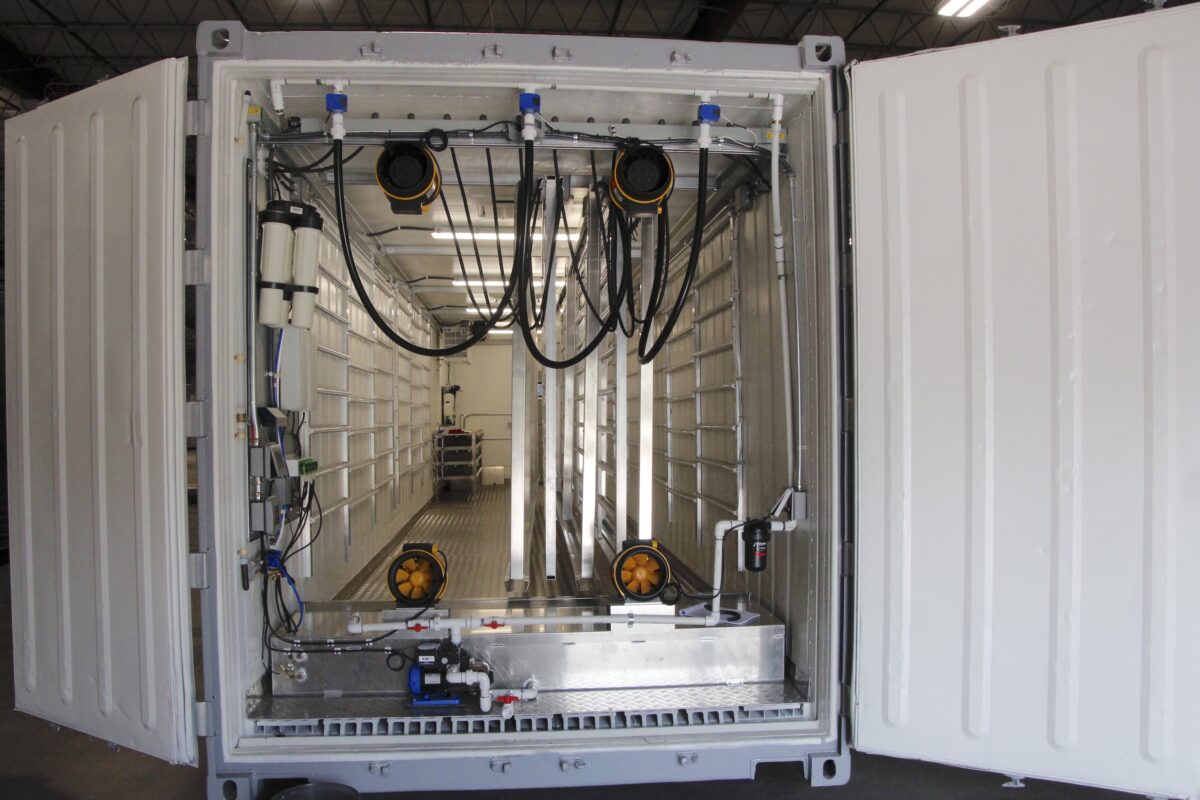
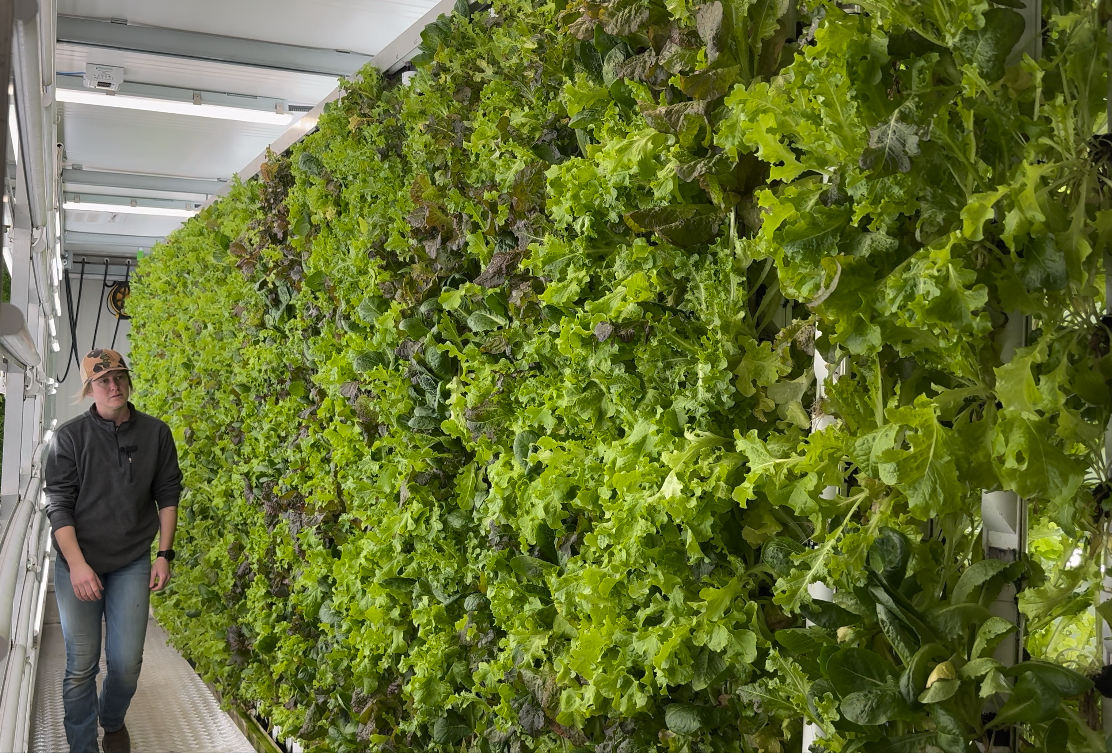
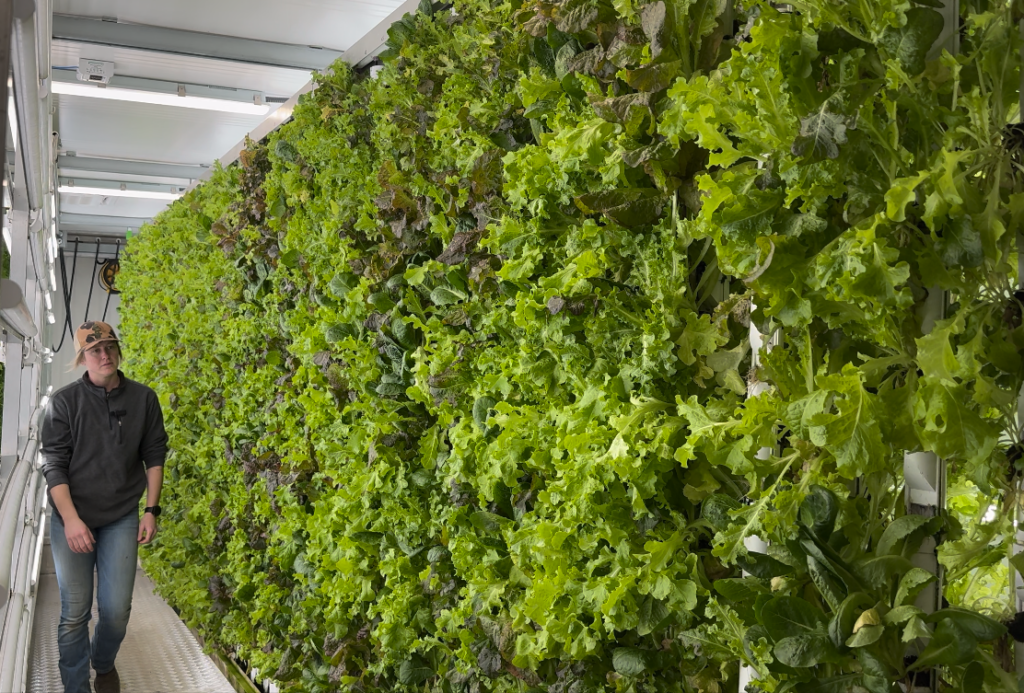
Technology plays a critical role in reshaping both the accessibility and appeal of farming, particularly for younger generations. Advances in automation, artificial intelligence and precision agriculture are reducing manual labor while increasing efficiency and predictability. This shift transforms farming into a more technology-enabled profession, one that aligns with the skill sets and expectations of a new workforce (especially Millennials and Gen Z’ers). Controlled-climate container farms are a strong example of how this evolution can lower the barrier to entry. By removing the need for large land ownership, reducing exposure to weather risk and offering consistent, predictable yields, these systems make it possible for individuals to begin farming with less capital and greater confidence.
Beyond accessibility, controlled-environment agriculture expands who can participate in food production. Container farms and similar systems allow operations to exist in urban settings, food deserts, schools, healthcare facilities and other nontraditional locations. This creates opportunities for entrepreneurs, educators and community organizations to engage in agriculture without a conventional farming background. In this sense, the definition of a farmer is broadening from landowner to operator, opening the door to a more diverse and distributed agricultural workforce.
At the same time, it’s important to recognize that these technologies are not a replacement for traditional agriculture. Large-scale, open-field farming will continue to supply the majority of staple crops such as corn and soybeans. However, controlled-climate systems can complement this model by producing high-value crops like leafy greens and herbs, strengthening local food systems and reducing reliance on long supply chains. This diversification improves resilience while creating new economic opportunities within the broader agricultural landscape.
The future of farming, of course, will look different from the past. The next generation of farmers is likely to be more technologically fluent, less dependent on inherited land and more engaged in hybrid models that combine traditional and controlled-environment production. Ensuring that we have enough farmers in the future will require a coordinated effort to lower barriers, modernize the profession and embrace innovations that make agriculture more accessible and sustainable. Controlled-climate container farming is not a single solution, but it is a powerful tool in building a more resilient food system.