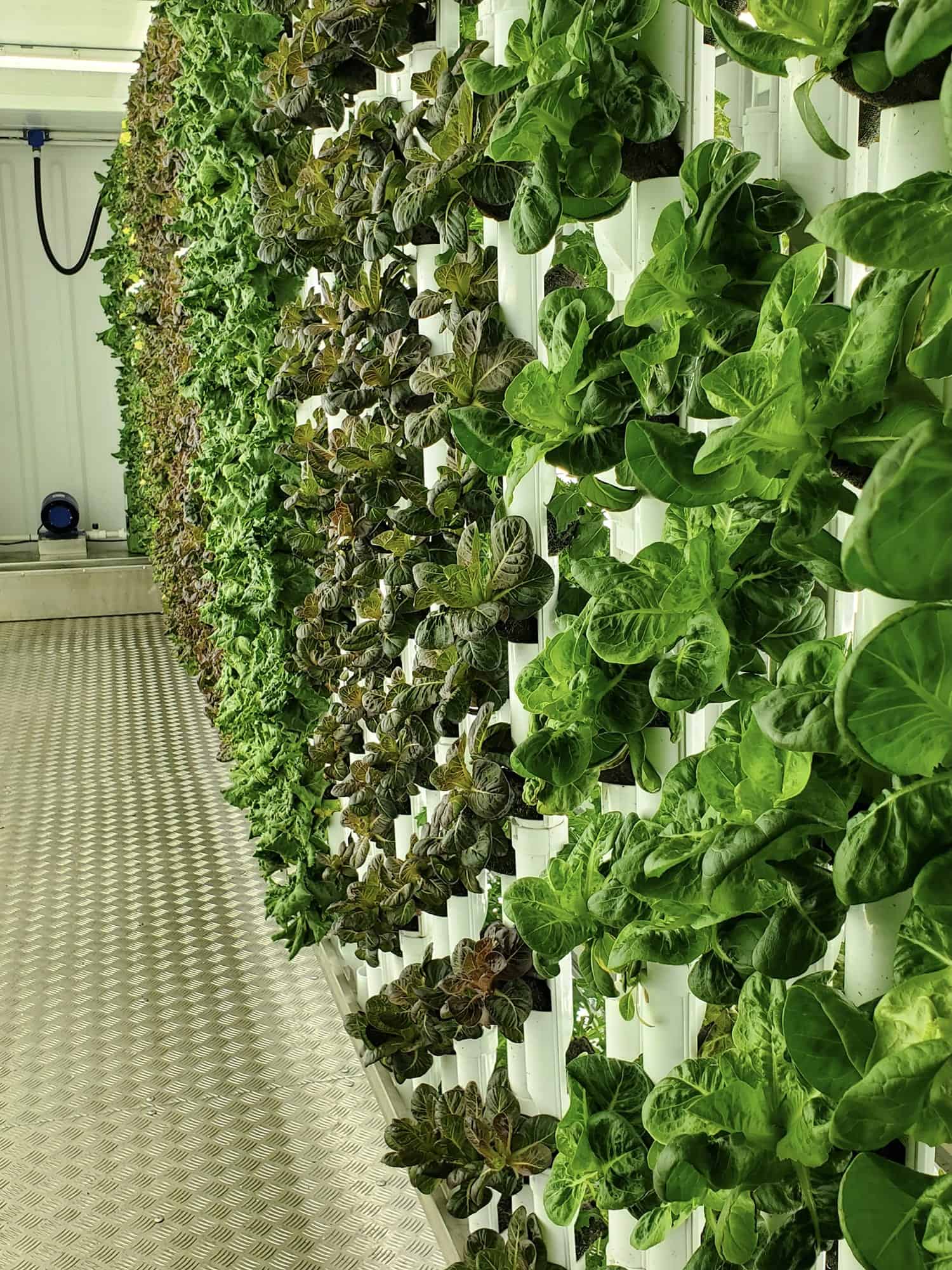
Farmers Adapting to Changing Times and Conditions

The shifting climate is having a big impact on the agricultural sector, and farmers around the world are being forced to adapt to numerous challenges. Here are some of the challenges that farmers are facing due to climate change:

  1. Changing weather patterns: Climate change is causing shifts in weather patterns, leading to extreme weather events such as droughts, floods, heatwaves, and storms. These changes can damage crops, reduce yields, and affect the timing of planting and harvesting.
  2. Water scarcity: Changing rainfall patterns can result in water scarcity, making it harder for farmers to irrigate their crops. This can lead to reduced yields and even crop failure.
  3. Increased pests and diseases: Rising temperatures and changing weather patterns can lead to the proliferation of pests and diseases that can damage crops and reduce yields.
  4. Soil degradation: Climate change can cause soil degradation, making it less fertile and less able to support healthy crops. This can result in lower yields and reduced food quality.
  5. Reduced biodiversity: Climate change is causing shifts in ecosystems, which can reduce biodiversity and disrupt natural pollination cycles, leading to lower crop yields.
  6. Financial pressures: Climate change can lead to increased costs for farmers, such as higher irrigation costs, increased pest management expenses, and greater investments in technology and infrastructure to adapt to changing conditions.

What Can We Do?

  1. Promote sustainable farming practices: Encouraging sustainable farming practices such as conservation agriculture, crop rotation, and agroforestry can help to improve soil health and reduce the need for fertilizers and pesticides. This can also help to reduce greenhouse gas emissions from agriculture.
  2. Develop and promote drought-resistant crops: Developing crops that are more tolerant of drought conditions can help farmers adapt to changing rainfall patterns and reduce water usage.
  3. Improve water management: Improved water management techniques, such as drip irrigation and rainwater harvesting, can help farmers to conserve water and reduce the impact of droughts.
  4. Expand access to climate information: Providing farmers with access to reliable climate information can help them make better decisions about when to plant, what crops to grow, and how to manage their farms.
  5. Support research and development: Investing in research and development to improve agricultural productivity, develop new crop varieties, and enhance soil health can help farmers adapt to changing conditions and improve their resilience.
  6. Provide financial support: Providing financial support, such as subsidies or insurance, can help farmers to manage the financial risks associated with climate change and adopt new practices.
  7. Reduce greenhouse gas emissions: Reducing greenhouse gas emissions from agriculture through practices such as conservation tillage, improved nutrient management, and the use of renewable energy can help to mitigate the impact of climate change on agriculture.
What makes FarmBox Foods a green-oriented company?

What makes FarmBox Foods a green-oriented company?

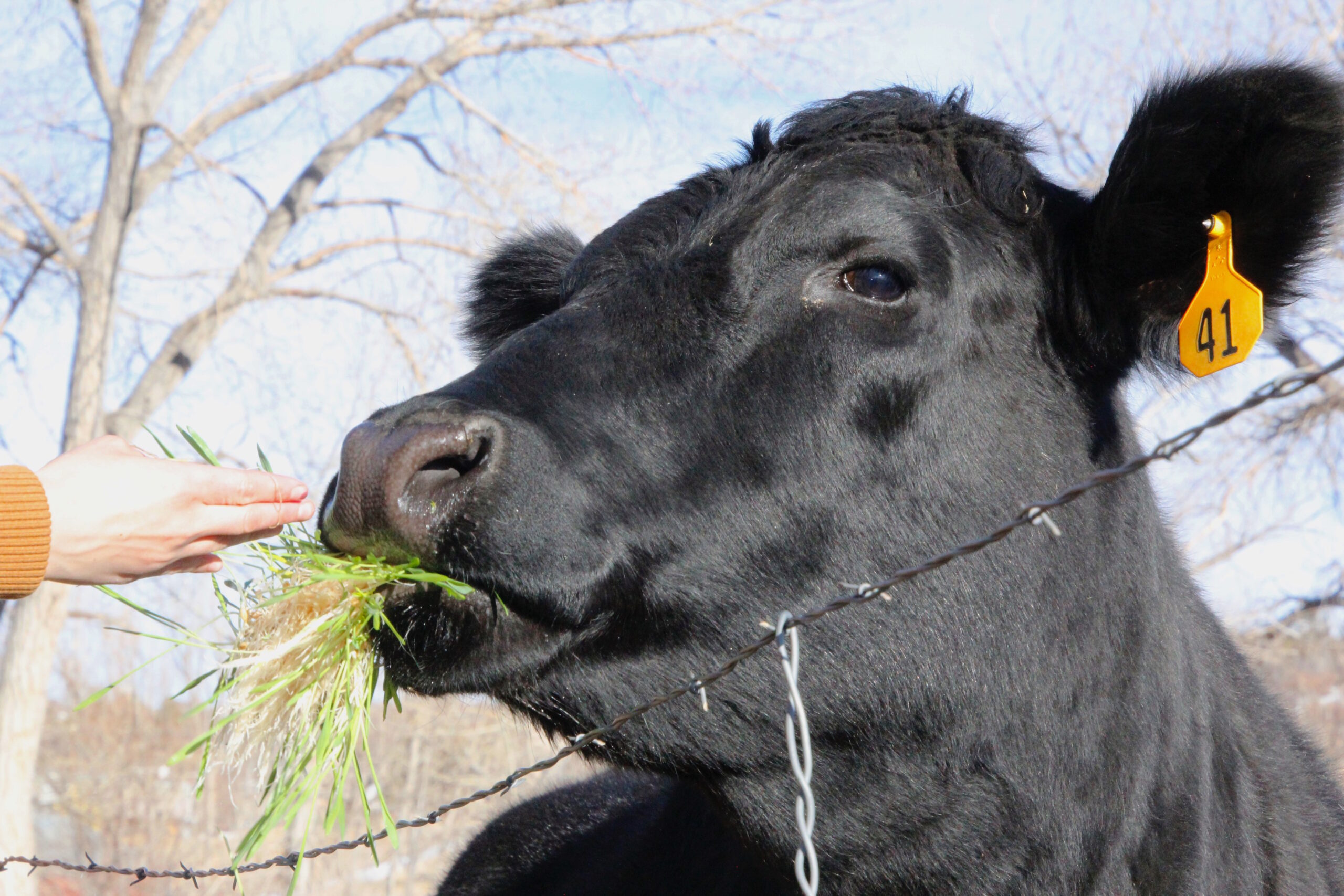
A cow eating hydroponic fodder

We use only upcycled shipping containers.
We give used, insulated shipping containers a new life: growing food at scale in areas that struggle with reliable cultivation and/or access. By outfitting them with the components to grow produce, the repurposed containers are kept out of landfills and scrap heaps.
 
The farms we build are designed to promote efficient water usage.
We capture, filter and reuse water in both our Hydroponic Fodder Farm and our Vertical Hydroponic Farm, which requires only about 5 gallons of water per day. Water is often lost to evaporation and transpiration in traditional farm settings. By recycling the water, our farms get the most out of every drop. In times of severe drought and diminishing water supplies, this efficiency is critically important. 
 
The farms were built to reduce energy usage associated with agricultural production.
Our Vertical Hydroponic Farm uses around 190 kwh per day, the energy equivalent of two loads of laundry. The Gourmet Mushroom Farm uses even less, drawing an average of only 80 kilowatt-hours of electricity each day. High-efficiency, low-energy LED lights are used in FarmBox containers to reduce energy consumption.
 
Reduced need for fossil fuels.
Every kilogram/pound of food waste has a corresponding waste factor for energy, labor, water, carbon emissions, etc. It takes a lot to get produce from point A to point B, including diesel fuel to power trucks and trains. Transporting goods across long distances could be a thing of the past, as our portable container farms enable people to grow food near the consumer, thereby reducing emissions and expenses. Hyper-local growing almost entirely removes the supply chain — and its ongoing issues — from the equation.
 
Indoor farms don’t require the use of pesticides.
Because our farms are enclosed, they’re protected from many of the variables that keep traditional farmers up at night, like drought, flooding, heat waves and hail. But it also prevents impacts from pests, and therefore, pesticides are not required in our farms. As a result, the water discharged from the Vertical Hydroponic Farms and Hydroponic Fodder Farms we build does not contribute to groundwater contamination.
 
Fodder consumption by livestock reduces methane output.
Barley fodder is easier to digest than traditional alfalfa hay and other nutritional supplements, and because of this, less methane is emitted into the atmosphere. We’re in the process of gathering more specific data to quantify the reduction of methane from different types of animals, and how that reduction corresponds with their respective intake of protein-rich fodder.
 
Growing near the consumer reduces the likelihood of food waste.
After being harvested, produce grown in traditional outdoor settings often spends a few days on trucks and in distribution centers before it arrives at the store. Hyperlocal growing helps fresh veggies arrive on consumers’ plates and in their refrigerators much sooner — often within 24 hours of being harvested. The produce maintains its shelf life, which provides a longer period of time to eat the food. This results in less food waste at the consumer level.
 
Our farms can run off solar power.
Anyone who wants to grow nutrient-dense food off-grid can do so by hooking their farm up to a small solar grid. 
 
Compost from our Gourmet Mushroom Farms helps promote soil health.
The spent substrate from FarmBox Foods’ GMF showroom model is donated to the local community to be used as nutrient-rich compost. The seedling pods and spent mushroom substrate can be used for further plant-growing compost once they are removed from the farms. The spent mushroom substrate, in particular, is quite sought after for this purpose. These eco-friendly by-products can also be incorporated into the soil, and the substrate will continue to grow mushrooms if properly managed.
 
Soil rejuvenation and less need for agricultural acreage.
Millions of acres of America’s traditionally fertile soil have been stripped of vital nutrients, and farmers are compelled to implement crop rotation and remediation steps like composting to regenerate agricultural land. A FarmBox occupies only 320 square-feet of space (they can also be stacked), does not need soil, and allows farmers to revitalize oft-used ag soil.
Furthermore, clear-cutting forests to make room for agriculture is not necessary for some crops. Farmers can utilize available vertical space to grow more food on a smaller footprint.

Farming Solutions for a Sustainable (and Less Scary) Future

Farming Solutions are needed – It seems every day you come across a news story that paints a very bleak future for traditional farming and the consumers who benefit from it.

We’ll briefly explore the many challenges facing the agricultural industry, but we’ll also posit some potential ways for farming operations large and small to adapt to changing times and conditions.

Shifting climate patterns are making it vastly more difficult to predict whether a crop will make it to harvest. Heat waves, hail storms, cold snaps and floods have become more pervasive and intense in recent years. Even crops that may not be directly affected by catastrophes, like the severe drought currently gripping the western portion of the U.S., are being indirectly impacted by residual factors, like smoke from wildfires.

We’re also facing other crippling issues without a foreseeable fix. Supply chains that support agriculture have been stretched to their limit since the beginning of the pandemic for a variety of reasons, including transportation availability, labor shortages, and associated delays affecting raw material sourcing. And the skyrocketing cost of fertilizer is further complicating matters for traditional farming operations and having an outsized impact on already-thin profit margins.

But what if there was a way to circumvent these issues using innovations in agtech? It sounds impossible, and while it comes with its own set of challenges, indoor growing, especially in urban areas, could be a big part of the answer going forward. 

Science and tech have come a long way in the last decade (hello, sensor technology!), allowing growers to do much more with much less in a smaller footprint. And hyperlocal farming means produce grows near the consumer, eliminating supply chain-related woes. Instead of spending the first half of its shelf life in transit, veggies get to the end user much quicker, resulting in less food waste. Local growing also reduces the need to burn fossil fuels to get food to its destination, and empowers communities to gain more control over their own food supply.

It’s hard to put a value on security and reliability, and we certainly won’t attempt to, but controlled-environment agriculture allows people to harvest large yields year-round without external variables getting in the way. There’s also no need for fertilizers or pesticides, which takes possible contamination of drinking water out of the equation. 

The practice is gaining momentum worldwide and already having an impact on sourcing for grocery chains, hotels, hospitals, restaurants and food banks. Likewise, farmers are embracing the technology because it provides a security blanket in uncertain times.