The Rise of Indoor Mushroom Growing and Why It’s Taken Off

In recent years there has been a remarkable rise in the number of people growing culinary and functional mushrooms indoors. What used to be a niche hobby practiced by expert foragers or small scale farmers has rapidly become a mainstream pursuit embraced by home growers, chefs, wellness enthusiasts and commercial operators. Several factors are driving this shift, and together they paint a picture of a movement that blends food security, health consciousness and a desire for sustainable self sufficiency.

A Growing Appetite for Culinary and Functional Mushrooms

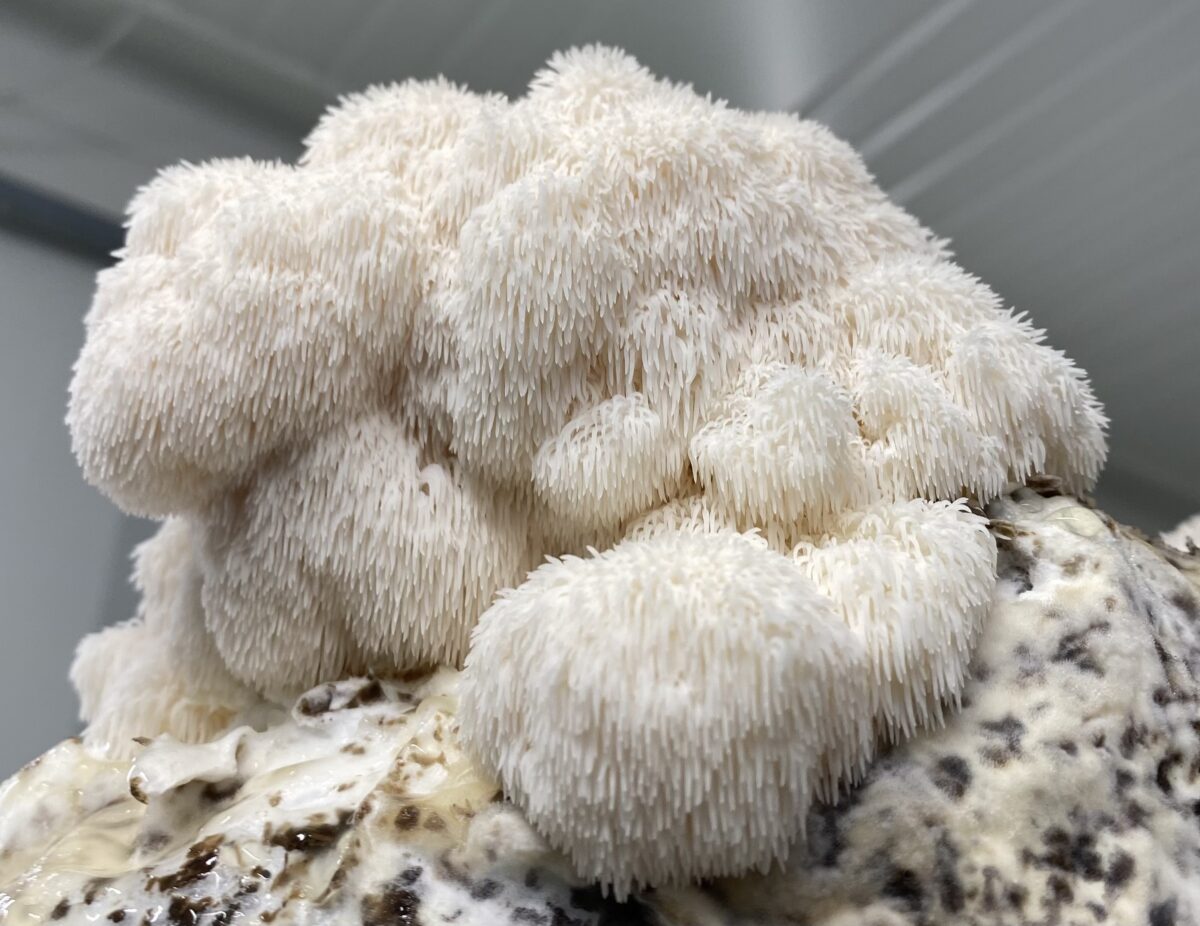
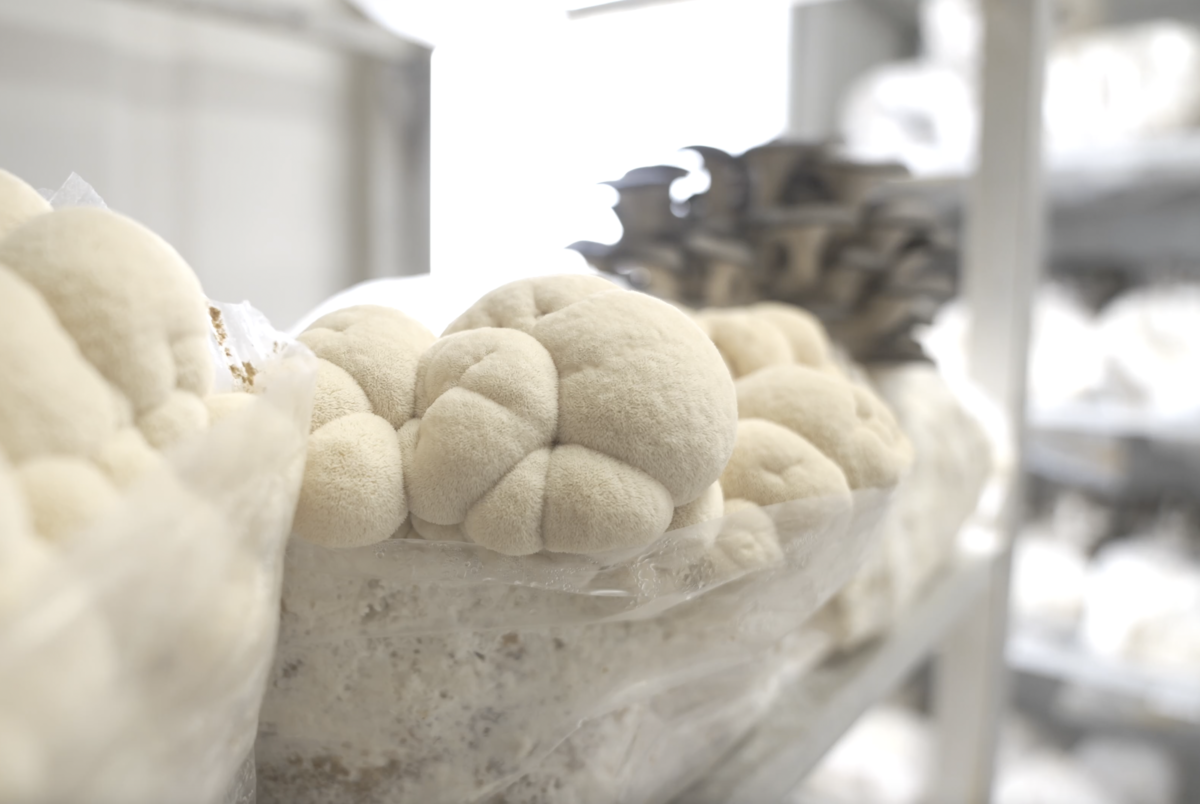
People are more aware than ever of the culinary value of gourmet mushrooms. Varieties like lion’s mane, shiitake, oyster and chestnut mushrooms are now common in restaurants and farmers markets. These mushrooms offer rich textures and deep umami flavors that elevate everything from stir fry to soups to meat free dishes. As demand grows, so does interest from everyday consumers who want fresher better tasting mushrooms than what’s available in typical grocery stores.

At the same time functional mushrooms have surged in popularity. Species like reishi, cordyceps, turkey tail and lion’s mane have long histories in traditional medicine systems. Modern research is exploring their potential benefits for cognition inflammation and immune health. This has sparked substantial interest in growing these mushrooms at home, where consumers can control the environment purity and harvest timing for maximum potency.

Controlled Indoor Environments Create Reliable Results

One of the biggest reasons indoor mushroom cultivation is booming is the reliability it offers. Mushrooms depend on precise humidity, temperature, airflow and lighting conditions. Outdoor growing is unpredictable and often not feasible for people who live in dry climates cold climates or urban areas. Indoor systems remove those barriers entirely.

Growers can now use everything from small monotubs and grow tents to advanced turnkey systems. Controlled environments help produce consistent yields with less contamination risk and far easier workflow. Companies like FarmBox Foods offer commercial scale solutions such as the Gourmet Mushroom Farm, which provides a fully insulated climate controlled container farm built specifically for start-to-finish mushroom production. This gives growers plug and play functionality with optimized conditions for species like oyster lion’s mane and others that thrive in tight environmental ranges.

Accessibility of Growing Mediums and DIY Options

Another driving force behind the trend is the availability of simple growing mediums. Mushrooms are surprisingly flexible in what they can grow on, as long as the substrate is nutrient rich and properly sterilized or pasteurized.

Common indoor substrates include:

  • Hardwood sawdust blocks
    Ideal for species like lion’s mane, oysters and shiitake. These blocks can be purchased ready to fruit or made at home with a pressure sterilizer.

  • Straw
    A popular choice for oyster mushrooms because it is inexpensive easy to pasteurize and forgiving for beginners.

  • Coco coir and vermiculite blends
    Often used in hobby grow setups and monotubs especially for functional varieties.

  • Coffee grounds
    A sustainable option that appeals to small growers though more prone to contamination.

The rise of pre-prepared mushroom grow kits has also made the practice as simple as misting a block and waiting for pins to form. This accessibility invites newcomers to experience the process with little risk or technical knowledge.

A Shift Toward Food Security and Sustainable Production

People are more conscious today of where their food comes from. Supply chain disruptions have pushed many to explore urban agriculture and hyperlocal production. Mushrooms are a perfect fit because they require minimal space and very little water compared to traditional crops. They also grow quickly, with many varieties producing a full harvest within two to four weeks.

Meanwhile, sustainability minded consumers appreciate that mushroom cultivation can repurpose agricultural byproducts such as wood, waste straw and soy bean hulls. Indoor mushroom farms have a small footprint and produce little waste, which aligns well with eco-friendly lifestyles.

A Creative and Rewarding Process

Finally, growing mushrooms is simply enjoyable. Watching mycelium colonize a substrate, and then watching the fruiting bodies emerge, has a sense of wonder attached to it. For many people, the process is meditative and deeply satisfying. It blends science craft and culinary reward. Whether using a countertop kit, a homemade setup or a commercial system like FarmBox Foods’ Gourmet Mushroom Farm, growers experience a sense of connection to their food that is hard to match.

The Future of Indoor Mushroom Cultivation

Given the increasing demand for specialty mushrooms, the rise of functional wellness, the need for sustainable food sources and the availability of accessible indoor systems, this trend is unlikely to slow down. Indoor mushroom growing has entered a new era where anyone from a curious home cook to an aspiring entrepreneur can produce high quality mushrooms year round.

As more people embrace the practice, the world of mushrooms will continue expanding offering new flavors new health insights and new ways to cultivate food in compact, climate-friendly environments.

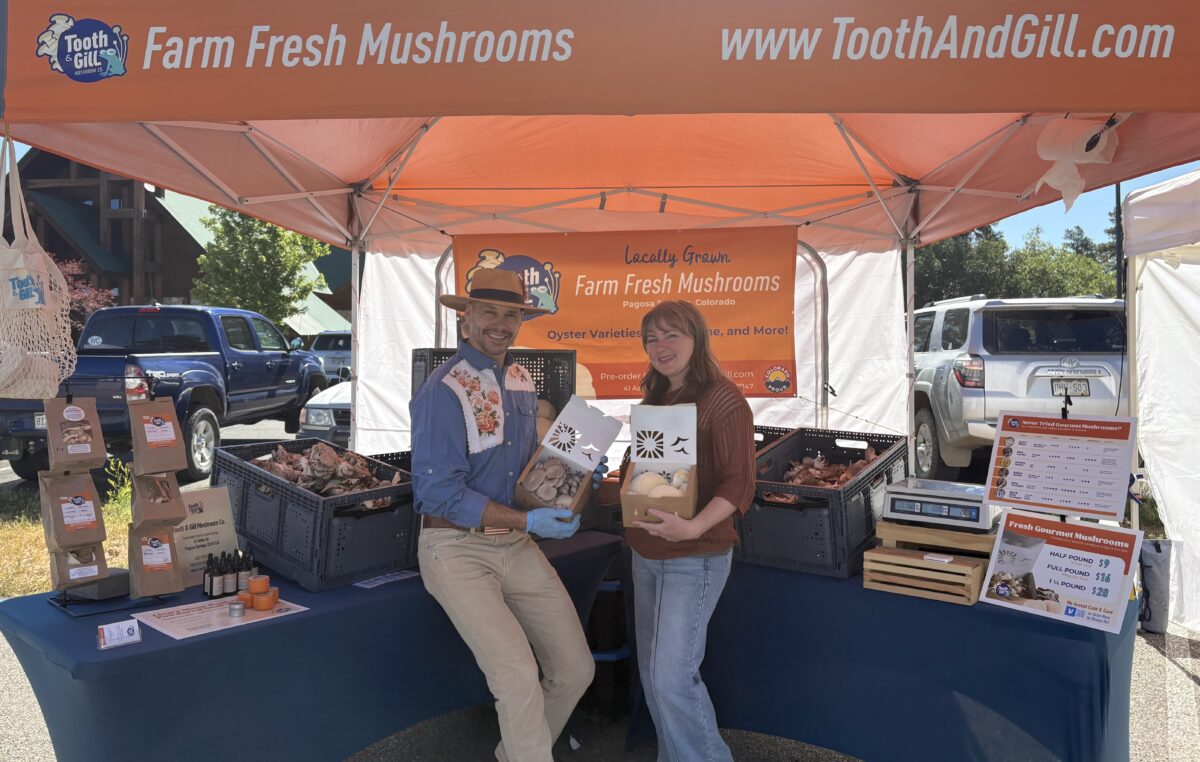
Tooth & Gill Mushroom Co. Now Certified Organic

A Pagosa Springs-based small business that uses a controlled-climate container farm to grow culinary and functional mushrooms is now certified organic.

Behind the Tooth & Gill Mushroom Co. brand is husband-and-wife team Aaron Carter and Lauren Hawksworth, both of whom left the corporate world to pursue their passion for improving community access to healthy food in the form of gourmet mushrooms. These particular mushrooms are grown entirely in the confines of an insulated, tech-assisted shipping container farm built by Colorado-based FarmBox Foods.

Tooth & Gill Mushroom Co. launched last year and has made quite an impression through consumer-facing pop-ups, deliveries, farmers markets in Pagosa Springs and Bayfield, and food hubs like Terra Walk Farm and Valley Roots Food Hub. It has also forged partnerships with local restaurants (Meander, a New York Times-recognized farm-to-table destination; Keyah Grande’s Beyond the Gates, and Wild Finch, a new restaurant led by chef Daya Myers at The Springs Resort).

“It’s about local food systems, and people are starting to show interest in rebuilding those,” Lauren said. “We see it here in our community, which is really cool.”

Now being officially certified as organic enables Tooth & Gill to get on the shelves of local grocery stores. As interest in where food comes from and support for local farmers grows, there are opportunities for independently owned enterprises to fulfill the demand and help educate the public about the many health benefits of mushrooms. Lauren began incorporating mushrooms into her diet in her mid-20s and leaned heavily on lion’s mane mushrooms during her recovery from severe heatstroke a few years ago. For Aaron, the foray into container farming is a return of sorts to his family’s agricultural roots in Nebraska.

Due to the climatic and capital challenges associated with starting a traditional farm in the mountains, the founders of Tooth & Gill discovered FarmBox Foods and realized the shipping container model gave them a path forward to growing sustainably year-round in a rugged region where farming isn’t typically viable. They were drawn to mushrooms while exploring holistic and functional ways to heal and saw how underutilized gourmet mushrooms are as a wellness food.

In addition to a variety of fresh mushrooms, Tooth & Gill recently created its own line of powder extracts and dehydrated mushrooms (available via online order). Lauren’s career was in marketing for a supplement company, and there’s been a noticeable change in approach over the years.

“Wellness has shifted. People want to take care of themselves, but you also want to treat yourself. It has to taste good,” she said.

With that in mind, Tooth & Gill has a collection of recipes on its website that incorporate mushrooms into everyday dishes. To learn more about Tooth & Gill or to schedule an interview with the owners, send an email to hello@toothngill.com or call 602-828-8153. If you own or manage a store and want their products on your shelves, use the above contact information to reach out.

What You Need to Know About Mushroom Extracts

It seems that the buzz about mushroom extracts has only gotten louder over the last few years.

It’s not just a passing fad. They’ve gained attention for their potential to support overall wellness, and people are increasingly turning to them as natural supplements. These extracts are typically derived from medicinal mushrooms like lion’s mane, reishi, cordyceps, chaga and turkey tail. They’re usually concentrated into powders, tinctures or capsules, making it easier to incorporate their health-boosting compounds into a daily routine. Extracts often contain higher levels of beta-glucans, triterpenes and other active compounds than raw mushrooms, which is why they’re prized in herbal and functional medicine.

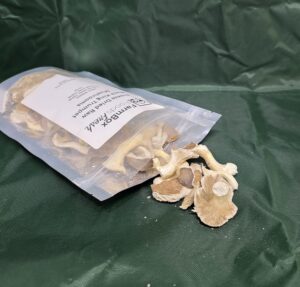
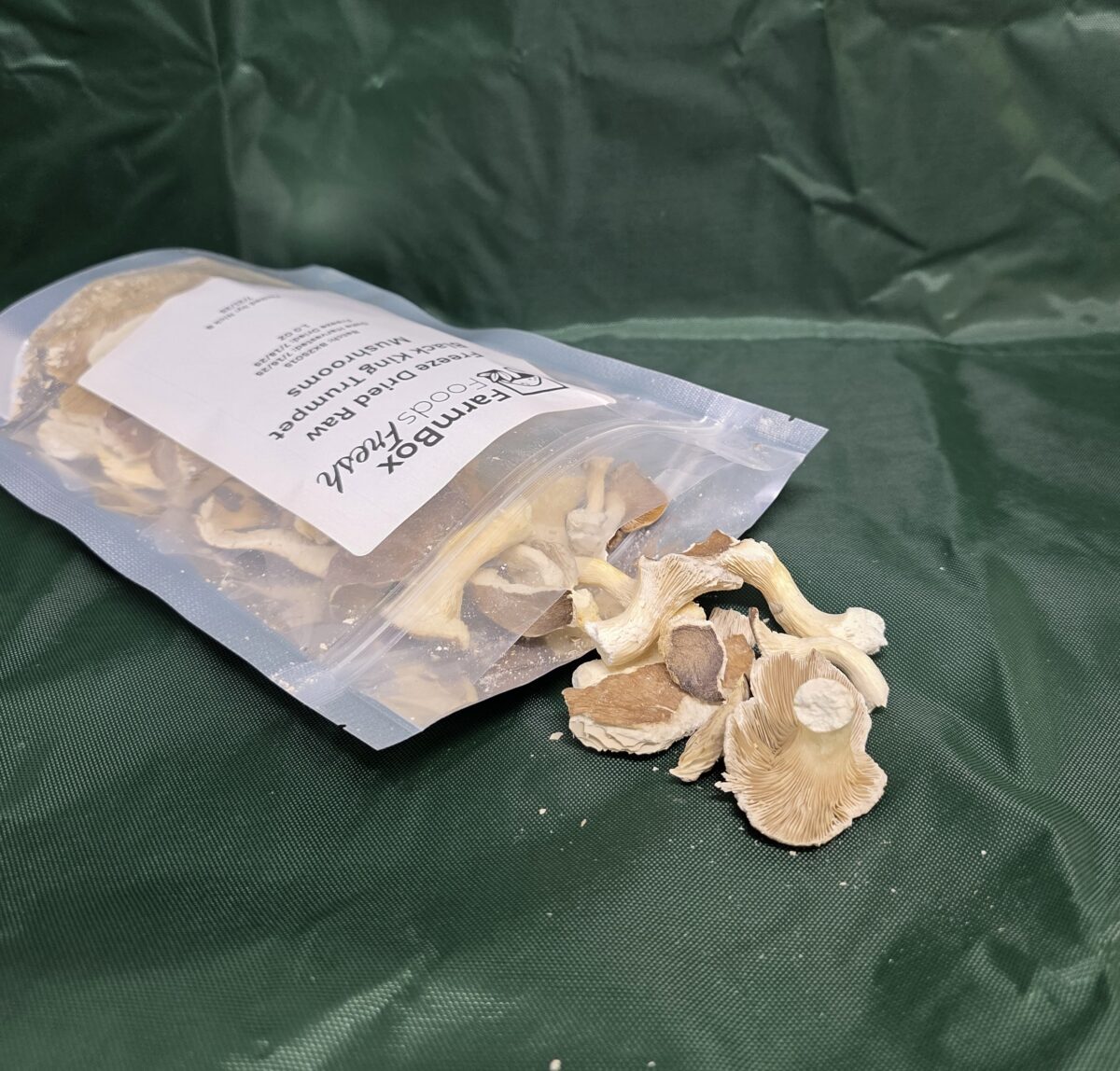
(Shameless plug: FarmBox Foods Fresh will soon be taking orders for freeze-dried mushroom varieties, including lion’s mane.)

Lion’s mane extract is especially well-known for its impact on brain health. It’s been shown to stimulate the production of nerve growth factor (NGF), a protein that’s critical for the growth and survival of neurons. People use it to improve focus, mental clarity and even mood, and there’s emerging research that supports its potential in slowing the progression of neurodegenerative diseases like Alzheimer’s. It’s a popular ingredient in nootropic blends and is popular among students, professionals and older adults alike.

Reishi, sometimes called the “mushroom of immortality,” is used for its calming effects and immune-boosting power. Traditionally used in Eastern medicine, reishi extract is believed to help reduce stress, improve sleep quality and support immune function through its adaptogenic properties. It’s commonly found in nighttime teas or taken as a daily supplement to help the body cope with long-term physical or emotional stress.

Cordyceps extract stands out for its role in enhancing energy, stamina and athletic performance. It’s often used by athletes and those looking to improve oxygen utilization and reduce fatigue. Studies have shown that cordyceps may help support respiratory function and increase ATP (adenosine triphosphate) production, which is the body’s main source of energy at the cellular level. That makes it a popular addition to pre-workout supplements or endurance training regimens. Some of the world’s top athletes have incorporated it into their diets with positive results.

Chaga and turkey tail are both revered for their powerful antioxidant and immune-modulating effects. Chaga, with its high ORAC (Oxygen Radical Absorbance Capacity) score, is often taken to fight inflammation and neutralize free radicals. Turkey tail, on the other hand, is especially rich in polysaccharopeptides like PSP and PSK, which have been studied for their ability to enhance immune response and support cancer therapies. Both are frequently used as part of holistic approaches to chronic illness and immune system support.

Overall, mushroom extracts offer a wide range of health benefits that span from brain and immune support to stress reduction and increased energy. Their uses continue to grow as more scientific research backs up centuries of traditional use. Whether you’re brewing them into a tea, mixing them into smoothies or taking them in capsules, these fungi are proving to be versatile allies in modern wellness routines.

Exploring the wonderful world of mushrooms

Edible mushrooms have been consumed by humans for thousands of years and are a popular ingredient in various cuisines around the world, but there’s still much to be learned about their nutritional benefits and potential for reducing the risk of chronic illnesses.

Luckily, the science community is putting a greater focus on fungi, which has become a more ubiquitous element of dishes across many cultures in recent years.

Mushrooms belong to a separate kingdom of organisms from plants and animals. They have unique nutritional profiles and are a good source of dietary fiber, antioxidants, vitamins (such as B vitamins and vitamin D), and minerals, such as selenium, copper, and potassium.

Some commonly consumed edible mushroom varieties include shiitake, oysters, portobello, cremini, enoki, trumpets, button, lion’s mane and more. Edible mushrooms are used in a wide range of culinary preparations, including soups, stir-fries, sauces, stews, salads, and even as a meat substitute in vegetarian and vegan dishes.

Mushrooms are typically low in calories and fat, making them a healthy choice for those watching their weight or following a low-fat diet.

Edible mushrooms are known for their umami flavor, which is a savory taste sensation often described as “meaty” or “earthy.” The unique flavor profile makes them a versatile ingredient in many dishes.

Mushrooms are the only non-animal food source of vitamin D. When exposed to sunlight or ultraviolet light, they can naturally synthesize vitamin D, which can be beneficial for individuals with limited sun exposure.

Some edible mushrooms, such as shiitake and maitake mushrooms, have been studied for their potential health benefits, including immune system support and anti-inflammatory properties. Likewise, lion’s mane has been identified as a booster for cognitive function.

FarmBox Foods has designed and manufactured a high-output, all-in-one mushroom cultivation container, which comes with a ribbon mixer to create your own substrate,  a steam cabinet to pasteurize the substrate, a clean lab, incubation room, and a fruiting room. It’s a centerpiece of the Colorado company’s suite of containerized farms. It allows for commercial scale growing of oysters, lion’s mane, enoki, chestnut, trumpet, reishi and more.

It’s worth noting that while many mushrooms are edible and safe to consume, there are also poisonous varieties. It is crucial to have proper knowledge and identification skills or to rely on trained experts when foraging wild mushrooms.

New Business Grows Mushrooms in Upcycled Shipping Container

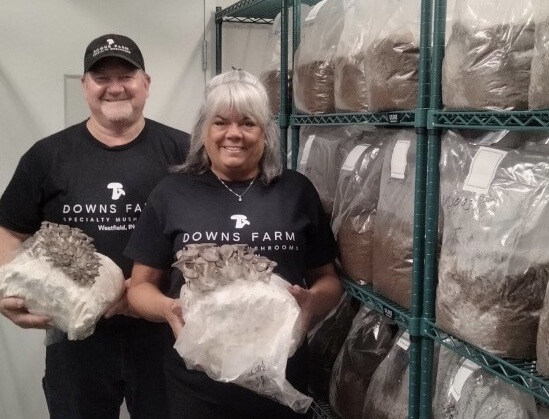
A Westfield, Indiana, couple is celebrating the launch of a new business centered around specialty mushrooms that are sustainably grown in a controlled-climate farm.
Mark and Julie Downs harvested their first batch of blue oyster mushrooms in mid-July, just weeks after their innovative, container-based farm was delivered. 

“As a lifelong resident of Westfield, I am excited to bring something new to our growing city,” Mark Downs said. “With the upcycled container farm, we will be able to supply fresh and chemical free gourmet mushrooms year round to restaurants and residences.” 

Having a local mushroom grower means chefs and grocers have access to the freshest product possible. They no longer have to rely on a shaky supply chain or buy mushrooms that have spent several days in transit and are nearing the end of their shelf life.

Downs Farm is already securing partnerships; on July 28-29, the Angry Donkey, a popular bistro and pub in Michigantown, will begin serving salmon mousse-stuffed halibut with blue oyster mushrooms grown in the tech-assisted farm.

The Gourmet Mushroom Farm — designed and built by Colorado-based FarmBox Foods — is run in part by software and hardware specifically designed for indoor growing operations. It allows farmers to control the humidity and temperature, misting and lighting schedules, fresh air exchange, and more. Cultivating mushrooms in an enclosed, food-safe space means there’s no need to use harmful chemicals in the start-to-finish growing process.

Gourmet mushrooms are becoming a big business as consumers increasingly recognize the health benefits of a wide array of mushroom types. They’re often used as a protein in vegan meals, and they’re an unbelievably delicious part of dishes like beef stroganoff, stir fry, risotto and marsala. 

The Downs are growing blue oysters and lion’s mane, and plan to follow market trends for additional varieties as they expand their operation, which is based on acreage property in Westfield.

As owners of Downs Farm, Julie still has her full-time job and Mark is committing all of his time to cultivating mushrooms.

Evolving Labor Trends Turn Mushroom Farming into Viable and Profitable Option​

Evolving Labor Trends Turn Mushroom Farming into Viable & Profitable Option

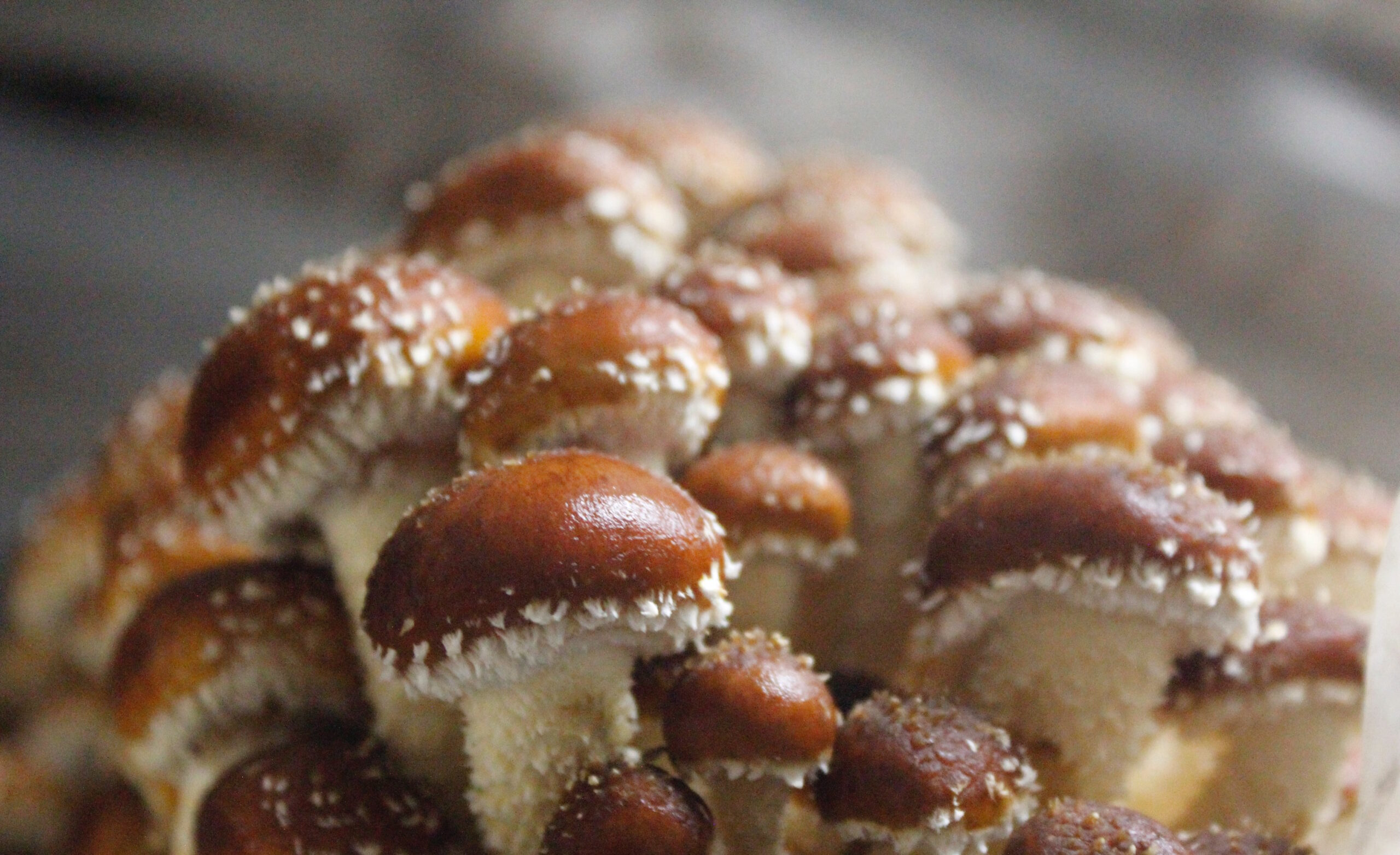
Chestnut mushrooms in a fruiting chamber

Nearly everyone has heard about recent workplace trends said to have arisen from the pandemic, like “quiet quitting,” when in fact people have been re-assessing their priorities and career choices for years in an effort to strike a more equitable work-life balance.


There’s generally more awareness about workers leaving their jobs in pursuit of something more fulfilling. Finding a passion and turning it into a lucrative source of income is the goal, and turnkey solutions like container-based mushroom farming are receiving more recognition and acceptance as a low-overhead avenue to success.


Starting a career in farming might sound daunting, but a Denver-area company called FarmBox Foods makes it accessible, even for those with no prior experience in agriculture. FarmBox Foods manufactures high-yield Gourmet Mushroom Farms inside insulated shipping containers, allowing people to grow popular varieties of mushrooms year-round and create multiple revenue streams in the process. The privately owned company also trains you how to do it.


It’s a viable solution for those who don’t have millions of dollars to invest in a new business venture. There’s no need to buy farmland (the containers have a footprint of 320 square-feet) and all of the necessary equipment for start-to-finish mushroom cultivation is included. And customers can even finance the container farms, which generate more than $1.2 million in profits over their projected 10-year lifespan.


The farms open up opportunities for sustainable food production in places that currently lack access to fresh food, including islands. More than 90 percent of food consumed on islands is imported, which increases costs, reduces quality and results in food miles that impact the environment.


“It’s something that people can really pour their heart and soul into,” said Rusty Walker, CEO of FarmBox Foods. “It’s not just a new career. It allows you to live and work where you want to and get a good return on your investment while doing something that gives back to the community.”


The controlled-climate mushroom farms use a digital control panel and a network of sensors to monitor and automatically adjust conditions inside the farm for optimal growing. The farms can grow nearly 20 varieties of mushrooms, including lion’s mane, oysters, king trumpets and reishi, and yield around 400 pounds of mushrooms per week.


To learn more about purchasing or leasing a Gourmet Mushroom Farm, or to schedule an in-person or virtual tour, visit farmboxfoods.com/gourmet-mushroom-farm/.