Veterans Dig Into Farming as Their Next Act of Service

Gerard and Jesse Holodak are the husband-and-wife team behind Koa Mushrooms and Rainier Roots Farm, a veteran-owned family farm nestled along the Columbia River in Rainier, Oregon. Both former U.S. Army officers, they bring the same spirit of service and resilience that guided their military careers into their mission of farming. Gerard served in Civil Affairs, while Jesse specialized in logistics, experiences that continue to inform their strategic and community-focused approach to agriculture. 

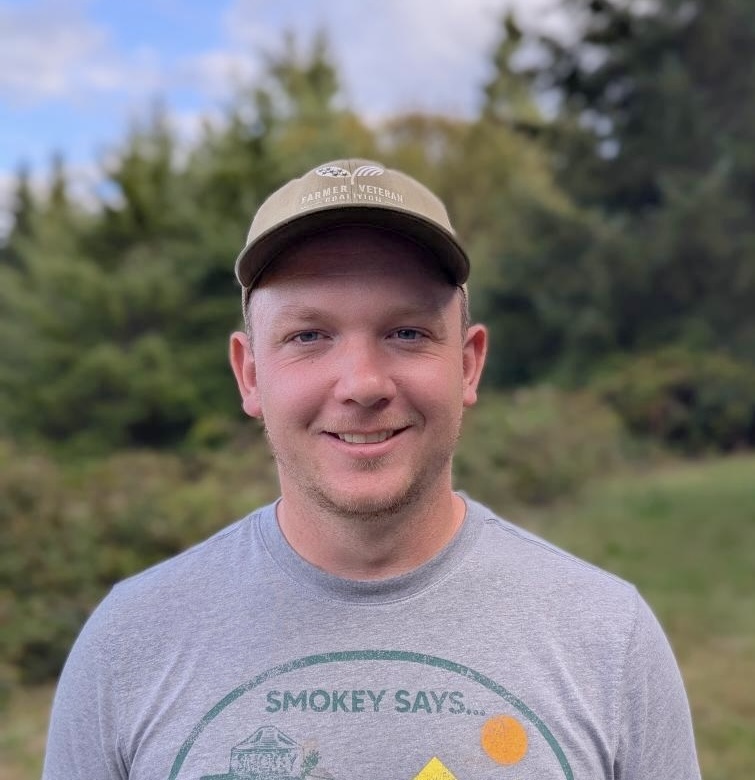
Gerard, a mushroom farm sales rep for FarmBox Foods and soon-to-be owner of a Gourmet Mushroom Farm, grew up surrounded by farmland in Vermont and Oregon. His childhood was steeped in the daily rhythm of agriculture: raising chickens, tending mixed vegetable plots and spending long days helping out in the barn.

“I basically lived in the barn,” he recalls. “I loved it when I was younger.” 

That early connection to the land laid the foundation for a life defined by service, first in uniform and later through farming. Answering what he says was a “call to service,” Gerard joined the U.S. Army with a desire to help people and be part of the solution. He spent nearly 13 years in Civil Affairs, a branch that acts as a bridge between military forces and civilian populations in conflict zones. His work centered on stability operations and humanitarian aid, often coordinating with the United Nations and USAID to deliver food, water and shelter in regions struggling with basic needs. 

While deployed, Gerard worked in food-insecure rural areas around the world, observing the critical link between agriculture and stability. Those experiences deepened his conviction that sustainable food systems are a cornerstone of peace. That element of civil operations — preventing conflict through stability — was fulfilling, he says. 

“After the military, I wanted to continue serving by helping feed people and build communities,” Gerard said.

After medically retiring, Gerard began exploring ways to combine his agricultural roots with his passion for service. He earned a Master’s degree in Civil – Military Interaction and is currently pursuing a master’s in Sustainable Agriculture from Sam Houston State University. The transition to farming was a natural evolution. While still in Hawaii, Gerard and Jesse launched Koa Mushrooms out of their garage on Hickam Air Force Base, selling at local farmers markets and partnering with the Farmer Veteran Coalition to expand. They soon began collaborating with local farmers to create a more permanent mushroom operation, eventually supplying restaurants, stores and wholesale restaurant food distributors.

Their success in Hawaii inspired a new chapter in Oregon, where they founded Rainier Roots Farm. Today, the Holodaks cultivate just under 20 acres, with about a half-acre currently in production. They grow root vegetables like beets, turnips and carrots, along with red cabbage, squash and other winter crops. Their orchard produces apples, plums, pears, peaches and heirloom fruits such as quince, persimmons and apricots. The couple practices no-till agriculture and permaculture, with plans to rewild portions of their land to restore habitat and biodiversity.

As former Army officers, Gerry and Jesse’s lives were dedicated to caring for soldiers and their families, preparing them to face tough missions and recover afterward. That sense of duty didn’t end when we hung up the uniform — it’s what drives their work now. In addition to building a market for fresh produce, they have worked to perfect dried medicinal mushrooms and are looking to partner across the US with veteran-focused coffee, tea, and beer companies to provide functional mushrooms like pre-activated Reishi and Lion’s Mane to help veterans and first responders combat the detrimental effects of stress and trauma in their path toward wellness for them and their families. We want to continue serving by helping veterans and first responders rebuild strength, focus, and resilience through nutrition and community connection.

Their goal for the coming year is to have the storefront open by spring, providing a space for local farmers to sell their crops and strengthen the local food economy.

(Contact Koa Mushrooms at 571-633-4024 or koa.mushrooms@gmail.com)

In addition to managing the farm, Gerard is ready to take delivery of a Gourmet Mushroom Farm made by FarmBox Foods, helping to advance containerized growing technologies for both commercial purposes and humanitarian projects. His background in Civil Affairs and agriculture aligns perfectly with FarmBox’s mission of enabling food security anywhere in the world, even in regions affected by climate change or resource scarcity. He’s particularly determined to see how mobile, modular farming systems can help positively impact island nations facing rising sea levels sustain their food supply. 

Gerard and Jesse’s work is guided by a simple philosophy: that farming is an act of service. Their dedication to sustainable agriculture and community resilience reflects the same values that defined their military careers: commitment, adaptability and care for others. Together with their three daughters, Charlotte, Madeline and Juliet, they’re cultivating more than crops; they’re growing a future rooted in service, sustainability and shared prosperity.


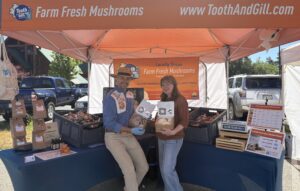
Tooth & Gill Mushroom Co. Now Certified Organic

A Pagosa Springs-based small business that uses a controlled-climate container farm to grow culinary and functional mushrooms is now certified organic.

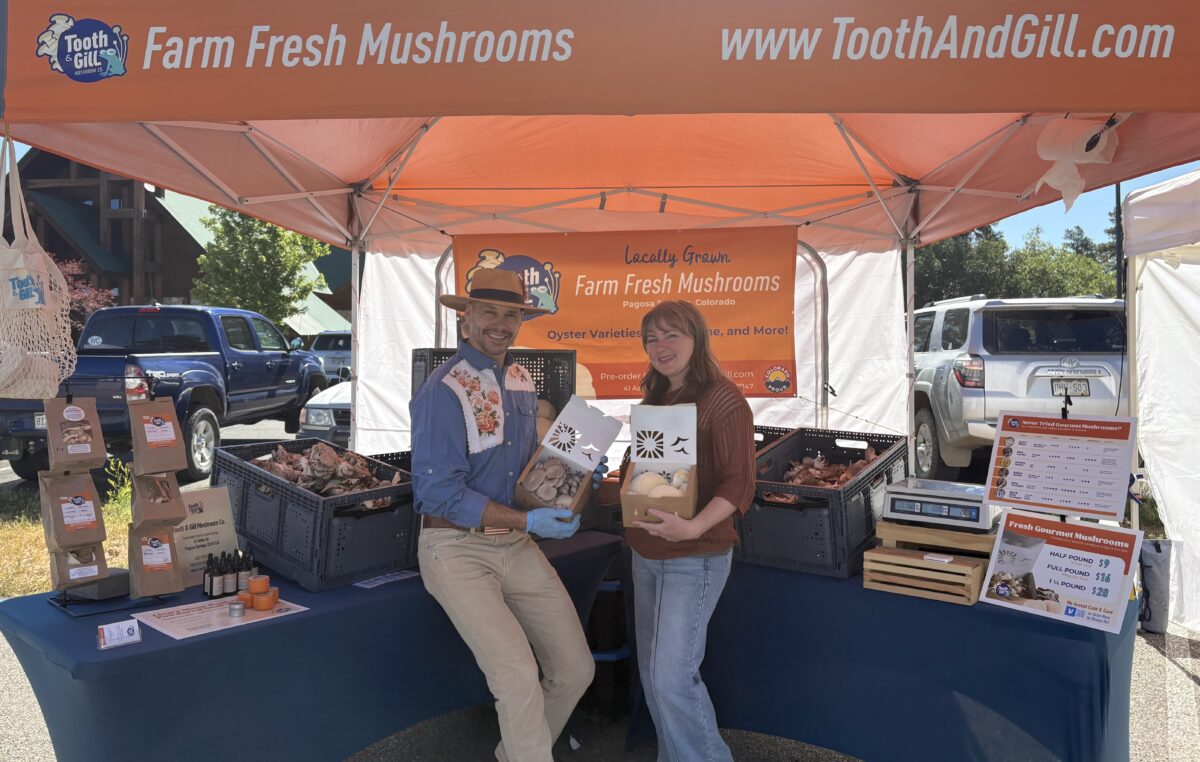
Behind the Tooth & Gill Mushroom Co. brand is husband-and-wife team Aaron Carter and Lauren Hawksworth, both of whom left the corporate world to pursue their passion for improving community access to healthy food in the form of gourmet mushrooms. These particular mushrooms are grown entirely in the confines of an insulated, tech-assisted shipping container farm built by Colorado-based FarmBox Foods.

Tooth & Gill Mushroom Co. launched last year and has made quite an impression through consumer-facing pop-ups, deliveries, farmers markets in Pagosa Springs and Bayfield, and food hubs like Terra Walk Farm and Valley Roots Food Hub. It has also forged partnerships with local restaurants (Meander, a New York Times-recognized farm-to-table destination; Keyah Grande’s Beyond the Gates, and Wild Finch, a new restaurant led by chef Daya Myers at The Springs Resort).

“It’s about local food systems, and people are starting to show interest in rebuilding those,” Lauren said. “We see it here in our community, which is really cool.”

Now being officially certified as organic enables Tooth & Gill to get on the shelves of local grocery stores. As interest in where food comes from and support for local farmers grows, there are opportunities for independently owned enterprises to fulfill the demand and help educate the public about the many health benefits of mushrooms. Lauren began incorporating mushrooms into her diet in her mid-20s and leaned heavily on lion’s mane mushrooms during her recovery from severe heatstroke a few years ago. For Aaron, the foray into container farming is a return of sorts to his family’s agricultural roots in Nebraska.

Due to the climatic and capital challenges associated with starting a traditional farm in the mountains, the founders of Tooth & Gill discovered FarmBox Foods and realized the shipping container model gave them a path forward to growing sustainably year-round in a rugged region where farming isn’t typically viable. They were drawn to mushrooms while exploring holistic and functional ways to heal and saw how underutilized gourmet mushrooms are as a wellness food.

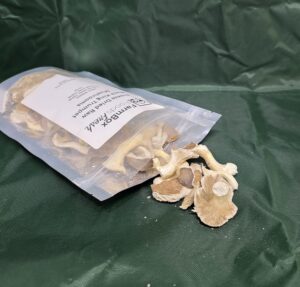
In addition to a variety of fresh mushrooms, Tooth & Gill recently created its own line of powder extracts and dehydrated mushrooms (available via online order). Lauren’s career was in marketing for a supplement company, and there’s been a noticeable change in approach over the years.

“Wellness has shifted. People want to take care of themselves, but you also want to treat yourself. It has to taste good,” she said.

With that in mind, Tooth & Gill has a collection of recipes on its website that incorporate mushrooms into everyday dishes. To learn more about Tooth & Gill or to schedule an interview with the owners, send an email to hello@toothngill.com or call 602-828-8153. If you own or manage a store and want their products on your shelves, use the above contact information to reach out.

The Growing Popularity of Gourmet Mushrooms Explained

Gourmet mushrooms have experienced a surge in popularity in recent years, and there are many factors at play to explain this growing fungi phenomenon.

There is increasing awareness and appreciation for diverse and unique culinary experiences, with gourmet mushrooms offering a distinctive flavor profile and texture to each dish. The burgeoning interest in plant-based diets has led individuals to explore alternative protein sources, and gourmet mushrooms serve as a nutritious and savory option, especially for vegan consumers.

The rise of sustainable and local food movements has encouraged the cultivation of gourmet mushrooms, which can be grown efficiently in controlled environments using organic materials, such as hardwood pellets and soy bean hulls. This aligns with the growing consumer preference for environmentally conscious and ethically sourced foods. Essentially, more and more people want to know where their food comes from, and how its grown.

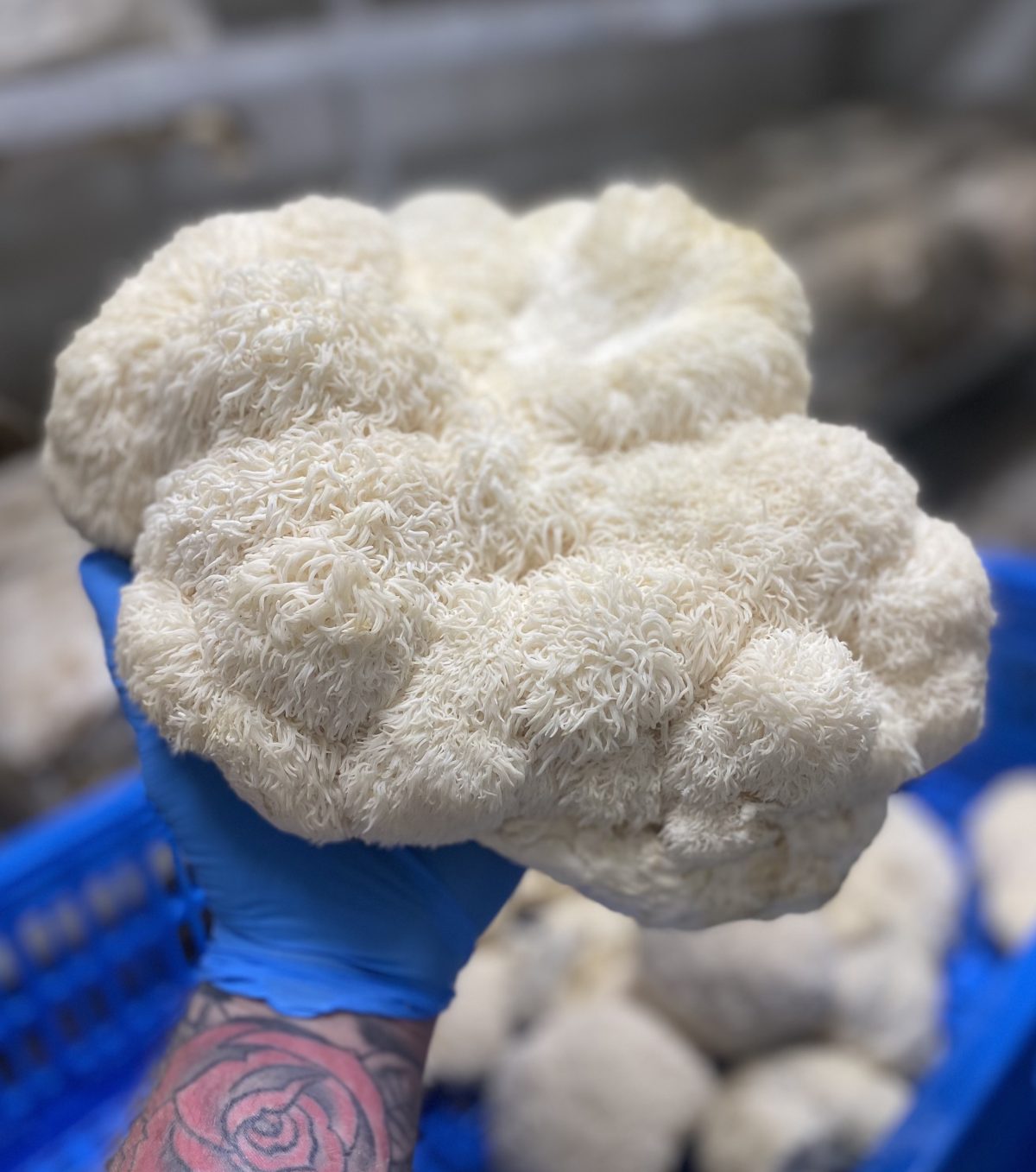
The versatility of gourmet mushrooms in various cuisines, coupled with their potential health benefits, has contributed to their popularity. Mushrooms are known for their umami taste, and chefs and home cooks alike appreciate their ability to enhance the overall flavor of a dish. Lion’s mane is used in crab cakes, and is being prepared in a variety of forward-thinking ways by chefs who like to branch outside the proverbial box (lion’s mane filet mignon, anyone?). Oysters also find their way into a plethora of culinary concoctions, like risotto, stroganoff, curries, soups and stews.

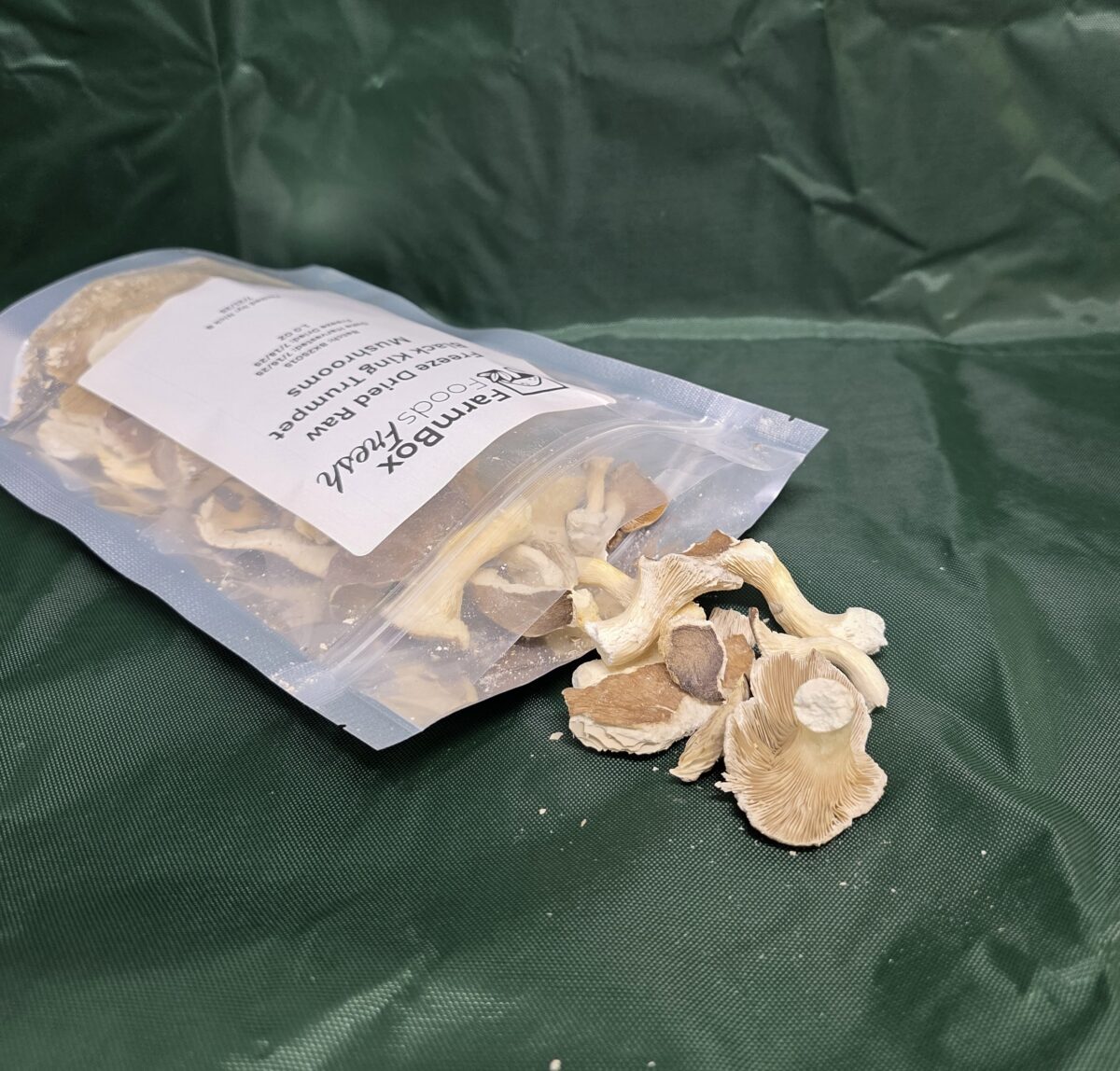
And there are many other options, such as enoki, turkey tail, reishi, cordyceps, king trumpets, chestnuts and more.

The accessibility of information and resources for cultivating gourmet mushrooms has increased, empowering individuals to try growing them at home or in commercial-scale, start-to-finish cultivation containers, Like FarmBox Foods’ Gourmet Mushroom Farm. This DIY approach has fostered a sense of connection to food production and a desire for fresh, locally sourced ingredients among consumers, as well as those in the back of the house of farm-to-table restaurants.

In short, the popularity of gourmet mushrooms has increased worldwide due to their unique culinary attributes, alignment with dietary trends, sustainability aspects, versatility in cooking, and the growing interest in the cultivation of healthy foods.

Did you know…?

-China is the world’s leading producer of mushrooms

-Fungi mycelium acts as a neutral network in the forest, connecting and benefitting flora in the vicinity.

-Mushroom cultivation and identification have experienced a big jump in public interest since the release of Paul Stamets’ documentary, “Fantastic Fungi,” in October 2019.

New Business Grows Mushrooms in Upcycled Shipping Container

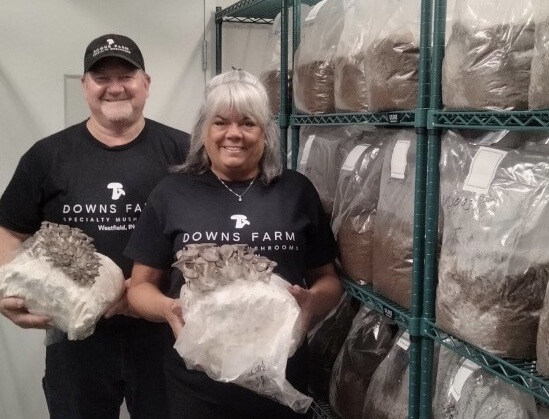
A Westfield, Indiana, couple is celebrating the launch of a new business centered around specialty mushrooms that are sustainably grown in a controlled-climate farm.

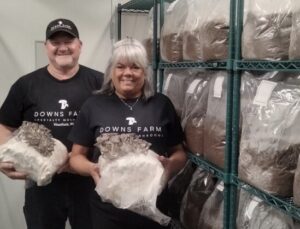
Mark and Julie Downs harvested their first batch of blue oyster mushrooms in mid-July, just weeks after their innovative, container-based farm was delivered. 

“As a lifelong resident of Westfield, I am excited to bring something new to our growing city,” Mark Downs said. “With the upcycled container farm, we will be able to supply fresh and chemical free gourmet mushrooms year round to restaurants and residences.” 

Having a local mushroom grower means chefs and grocers have access to the freshest product possible. They no longer have to rely on a shaky supply chain or buy mushrooms that have spent several days in transit and are nearing the end of their shelf life.

Downs Farm is already securing partnerships; on July 28-29, the Angry Donkey, a popular bistro and pub in Michigantown, will begin serving salmon mousse-stuffed halibut with blue oyster mushrooms grown in the tech-assisted farm.

The Gourmet Mushroom Farm — designed and built by Colorado-based FarmBox Foods — is run in part by software and hardware specifically designed for indoor growing operations. It allows farmers to control the humidity and temperature, misting and lighting schedules, fresh air exchange, and more. Cultivating mushrooms in an enclosed, food-safe space means there’s no need to use harmful chemicals in the start-to-finish growing process.

Gourmet mushrooms are becoming a big business as consumers increasingly recognize the health benefits of a wide array of mushroom types. They’re often used as a protein in vegan meals, and they’re an unbelievably delicious part of dishes like beef stroganoff, stir fry, risotto and marsala. 

The Downs are growing blue oysters and lion’s mane, and plan to follow market trends for additional varieties as they expand their operation, which is based on acreage property in Westfield.

As owners of Downs Farm, Julie still has her full-time job and Mark is committing all of his time to cultivating mushrooms.