Functional Mushrooms Get Much-Deserved Spotlight

In recent years, functional mushrooms have emerged from the margins of the wellness industry and entered the mainstream, finding their way into grocery stores, coffee shops and supplement retailers around the world.

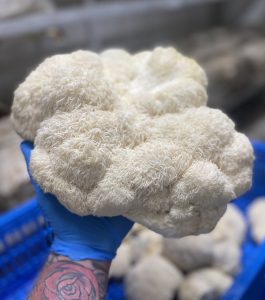
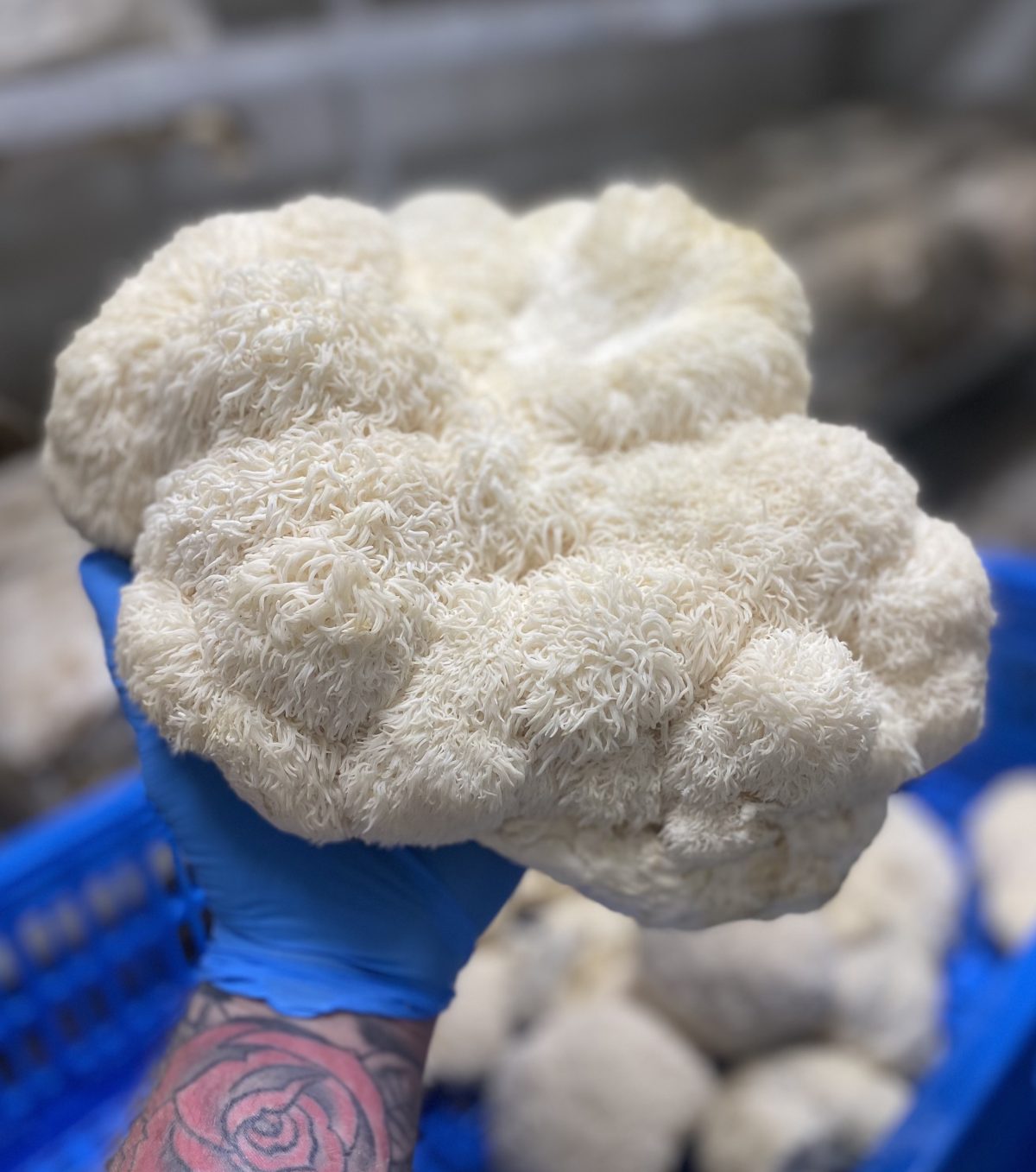
Freshly harvested lion's mane mushrooms held by a gloved hand.
Lion’s mane mushroom harvested from a Gourmet Mushroom Farm made by FarmBox Foods.

Once primarily associated with traditional medicine practices in Asia, these unique fungi are now attracting widespread attention from consumers, researchers and entrepreneurs alike. Their growing popularity is the result of several converging trends, including increased interest in natural wellness, advances in scientific research and a desire for healthier lifestyles.

One of the biggest drivers behind the rise of functional mushrooms is the growing consumer focus on preventive health. Rather than waiting until health issues arise, many people are looking for ways to support their overall well-being through nutrition and lifestyle choices. Functional mushrooms are appealing because they contain naturally occurring compounds that may help support various aspects of health, including immune function, cognitive performance and stress management.

Among the most well-known functional mushroom varieties are lion’s mane, reishi, cordyceps, turkey tail and chaga. Each has gained a reputation for unique benefits. Lion’s mane is often associated with cognitive support and focus, reishi is commonly linked to relaxation and stress resilience, while cordyceps have become popular among athletes and active individuals seeking natural energy support. As awareness of these mushrooms has grown, so has consumer curiosity about incorporating them into daily routines.

“Just in the time since we developed our Gourmet Mushroom Farm in 2020, the conversation has completely shifted,” said Rusty Walker, CEO of FarmBox Foods. “It seems like everyone — not just the wellness world — is talking about mushrooms and exploring different ways to consume them.”

Scientific research has also played an important role in fueling interest. While much remains to be studied, a growing body of research has examined the bioactive compounds found in many mushroom species. Compounds such as beta-glucans, polysaccharides and antioxidants have attracted attention for their potential health-supporting properties. As researchers continue to explore these compounds, public confidence in functional mushrooms has increased, and more methods of consumption have emerged, encouraging more consumers to give them a try.
The wellness industry’s evolution has further accelerated mushroom adoption. Today’s consumers are often seeking alternatives to highly processed products and synthetic ingredients. Functional mushrooms fit neatly into the broader movement toward natural, plant-based and holistic wellness solutions. Their versatility also makes them easy to incorporate into everyday life. Functional mushroom ingredients can now be found in coffees, teas, powders, capsules, gummies and even snack foods, making them accessible to a wide audience.

Social media and digital content have amplified this trend. Health influencers, nutrition experts and wellness enthusiasts regularly share their experiences with functional mushrooms, exposing millions of people to products and educational content. As consumers become more familiar with these fungi, demand continues to grow.

One of the pivotal moments in the rise of functional mushrooms came from renowned mycologist Paul Stamets and his widely viewed TED Talk, TED2011, titled “6 Ways Mushrooms Can Save the World.” In the presentation, Stamets highlighted the remarkable potential of fungi to address some of humanity’s most pressing challenges, from environmental remediation and sustainable agriculture to human health and disease prevention. His engaging storytelling, scientific insights and passionate advocacy introduced millions of viewers to the broader possibilities of mushrooms beyond their culinary uses.

For many consumers, entrepreneurs and investors, the talk served as an entry point into the world of medicinal and functional mushrooms, helping spark curiosity and accelerating interest in mushroom-based products. While the functional mushroom market has since been fueled by ongoing research, product innovation and growing consumer demand for natural wellness solutions, Stamets’ TED Talk is widely regarded as one of the landmark moments that helped bring mushrooms into mainstream public consciousness (the 2019 documentary, Fantastic Fungi, also played a huge role in bringing fungi education to the masses).

Another factor contributing to their popularity is sustainability. Mushrooms can often be cultivated efficiently in controlled environments using relatively small amounts of land and water compared to many traditional agricultural products. As consumers become increasingly conscious of environmental issues, sustainably grown mushroom products are attracting additional interest.

Functional mushrooms represent the intersection of wellness, science and sustainability. While they are not a cure-all, their unique nutritional profiles, expanding research base and alignment with modern health trends have helped transform them from ancient remedies into one of the fastest-growing categories in the health and wellness marketplace.
The Wonderful World of Mushrooms

There’s renewed enthusiasm for mushrooms, with people exploring beyond the doldrums of commodity mushrooms such as white buttons.

Gourmet mushrooms are not just a culinary delight but a powerhouse of nutrition. They are packed with essential vitamins and minerals that contribute to overall health. Mushrooms are a great source of B vitamins such as riboflavin, niacin, and pantothenic acid, which are vital for energy production and maintaining healthy brain function. Additionally, they contain vitamin D, which is crucial for bone health and immune system support, particularly when they are exposed to sunlight or UV light during growth.

Beyond vitamins, gourmet mushrooms are rich in antioxidants like selenium and ergothioneine. These antioxidants help protect your cells from damage caused by free radicals, which can reduce the risk of chronic diseases like cancer and heart disease. The anti-inflammatory properties of these antioxidants also contribute to overall wellness, potentially reducing inflammation-related conditions such as arthritis.

Mushrooms are an excellent source of dietary fiber, which aids in digestion and helps maintain a healthy gut microbiome. The fiber found in mushrooms, such as beta-glucans, has been shown to enhance immune function and may help lower cholesterol levels. This can contribute to better cardiovascular health and help manage weight by promoting a feeling of fullness and reducing overall calorie intake.

Also, gourmet mushrooms have unique compounds that offer specific health benefits. For example, shiitake mushrooms contain lentinan, a type of beta-glucan known to boost the immune system and potentially fight cancer cells. Reishi mushrooms are famous for their adaptogenic properties, helping the body resist stress and improve overall well-being. Incorporating a variety of gourmet mushrooms into your diet can therefore provide a diverse range of health benefits, making them a valuable addition to any nutritious diet.

Keywords: mushroom container farm, mushroom farming, conex mushroom growing, growing mushrooms in a container, growing gourmet mushrooms, gourmet mushroom health benefits, healthy eating, mushroom cultivation

The Growing Popularity of Gourmet Mushrooms Explained

Gourmet mushrooms have experienced a surge in popularity in recent years, and there are many factors at play to explain this growing fungi phenomenon.

There is increasing awareness and appreciation for diverse and unique culinary experiences, with gourmet mushrooms offering a distinctive flavor profile and texture to each dish. The burgeoning interest in plant-based diets has led individuals to explore alternative protein sources, and gourmet mushrooms serve as a nutritious and savory option, especially for vegan consumers.

The rise of sustainable and local food movements has encouraged the cultivation of gourmet mushrooms, which can be grown efficiently in controlled environments using organic materials, such as hardwood pellets and soy bean hulls. This aligns with the growing consumer preference for environmentally conscious and ethically sourced foods. Essentially, more and more people want to know where their food comes from, and how its grown.

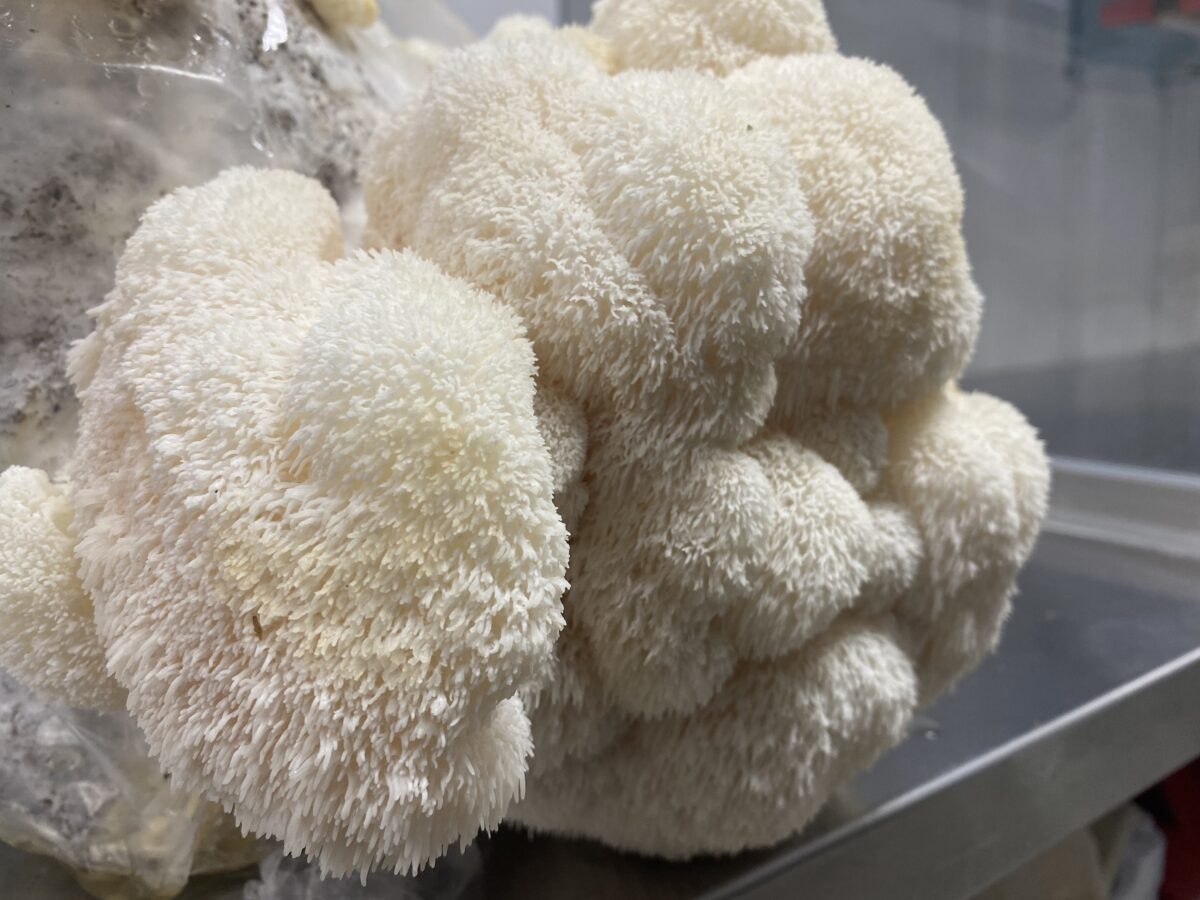
The versatility of gourmet mushrooms in various cuisines, coupled with their potential health benefits, has contributed to their popularity. Mushrooms are known for their umami taste, and chefs and home cooks alike appreciate their ability to enhance the overall flavor of a dish. Lion’s mane is used in crab cakes, and is being prepared in a variety of forward-thinking ways by chefs who like to branch outside the proverbial box (lion’s mane filet mignon, anyone?). Oysters also find their way into a plethora of culinary concoctions, like risotto, stroganoff, curries, soups and stews.

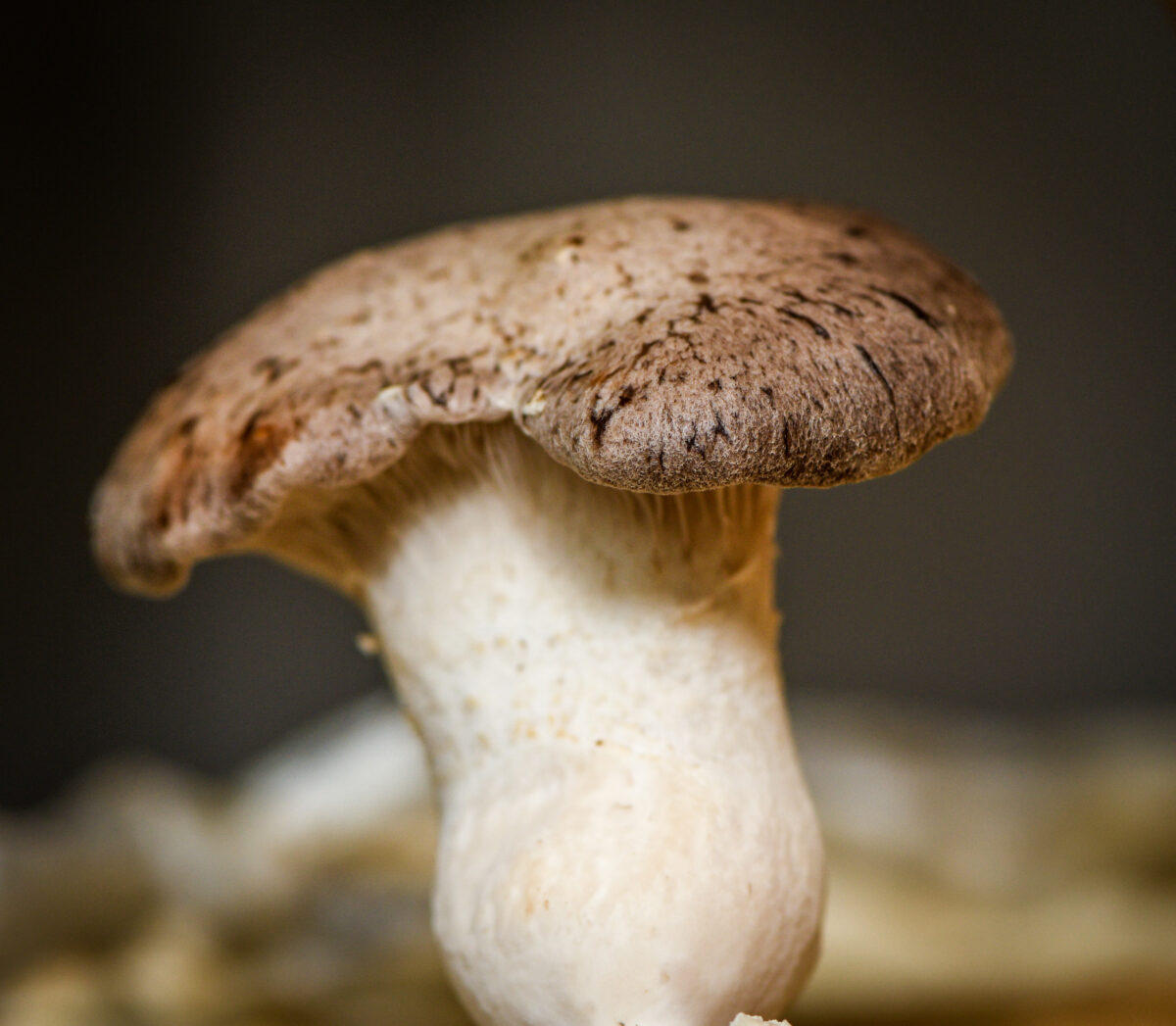
And there are many other options, such as enoki, turkey tail, reishi, cordyceps, king trumpets, chestnuts and more.

The accessibility of information and resources for cultivating gourmet mushrooms has increased, empowering individuals to try growing them at home or in commercial-scale, start-to-finish cultivation containers, Like FarmBox Foods’ Gourmet Mushroom Farm. This DIY approach has fostered a sense of connection to food production and a desire for fresh, locally sourced ingredients among consumers, as well as those in the back of the house of farm-to-table restaurants.

In short, the popularity of gourmet mushrooms has increased worldwide due to their unique culinary attributes, alignment with dietary trends, sustainability aspects, versatility in cooking, and the growing interest in the cultivation of healthy foods.

Did you know…?

-China is the world’s leading producer of mushrooms

-Fungi mycelium acts as a neutral network in the forest, connecting and benefitting flora in the vicinity.

-Mushroom cultivation and identification have experienced a big jump in public interest since the release of Paul Stamets’ documentary, “Fantastic Fungi,” in October 2019.