Controlled-environment farming is often framed around a familiar set of advantages like reduced water use, fewer pesticides and year-round growing. While those benefits are important, they only tell part of the story. Beneath the surface, controlled-environment agriculture offers several lesser-known advantages that can quietly reshape how food is produced, distributed and understood.
Predictability That Strengthens the Food System
One of the most overlooked benefits of controlled-environment farming is predictability. By managing temperature, light, humidity and nutrients, growers can achieve consistent yields on reliable schedules.  This stability is especially valuable for institutions like schools, hospitals and food banks that depend on steady supply rather than fluctuating seasonal availability. Predictable production reduces planning challenges and helps limit unnecessary food waste.
Lower Risk of Food Safety Issues
Indoor growing environments reduce exposure to many contamination risks commonly associated with outdoor agriculture. Runoff, wildlife intrusion and airborne pollutants are largely removed from the equation. In addition, controlled systems allow for detailed tracking of each growing cycle, making traceability clearer and responses faster if issues arise. This level of oversight can significantly lower the likelihood of large-scale recalls.
Expanded Access to Agricultural Careers
Controlled-environment farms rely on a wide range of skills that extend beyond traditional farming experience. Roles often include systems monitoring, data analysis, logistics and maintenance. This broadens access to agricultural careers for people in urban areas, students pursuing STEM education and individuals transitioning from other industries. The result is a more diverse workforce contributing to food production.
Consistent Crop Quality and Nutrition
Plants grown in stable conditions experience less environmental stress, which can lead to more uniform size, flavor and nutritional content. This consistency is particularly important for meal programs and healthcare settings where dietary planning depends on predictable nutrient profiles. While variability is often accepted as a norm in agriculture, consistency can be a quiet but meaningful advantage.
Productive Use of Underutilized Spaces
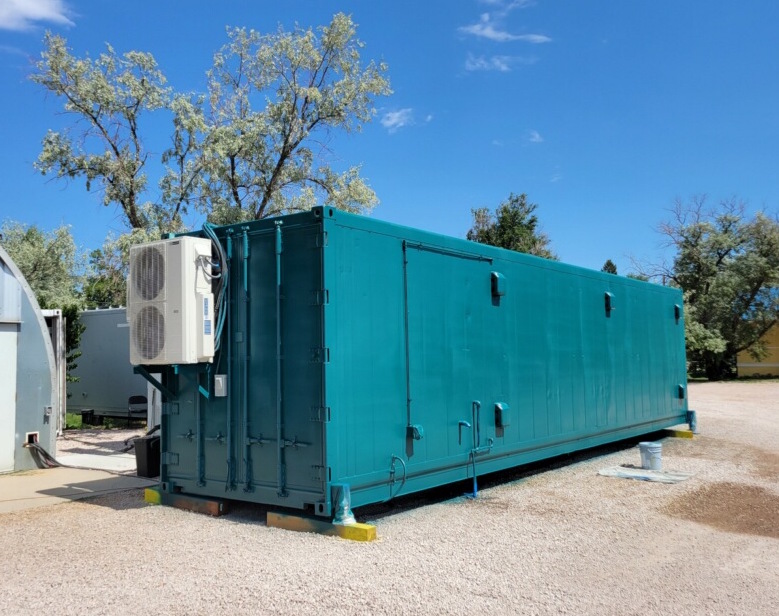
Controlled-environment farming allows food to be grown in places that would otherwise be unsuitable for agriculture. Vacant lots, industrial areas and unused campus spaces can become productive without displacing existing farmland. At the same time, this flexibility can reduce pressure on arable land and allow ecosystems time to recover, supporting long-term environmental health.
Faster Innovation and Crop Testing
Because growing conditions can be replicated precisely, controlled-environment systems make it easier to test new crop varieties and growing methods. Growers can evaluate flavor, yield and resilience in shorter timeframes without the uncertainty of weather or seasonal change. This accelerates innovation and helps introduce crops better suited to regional needs and evolving consumer preferences.
Greater Transparency and Education
Indoor farms offer a clear view into how food is grown, from seed to harvest. This visibility creates opportunities for education and community engagement that are often difficult in conventional agriculture. When people can see the process firsthand, it builds understanding and trust while helping reconnect communities with the origins of their food.
As controlled-environment farming continues to evolve, its impact extends well beyond efficiency and sustainability metrics. By improving reliability, safety, access and understanding, these systems quietly address challenges that affect the entire food ecosystem. Recognizing these lesser-known benefits helps broaden the conversation about what modern agriculture can achieve.