From Container to Cash Flow: Why Mushroom Farming Is Booming

Mushroom farming is quietly becoming one of the most exciting opportunities in modern agriculture. It sits at the intersection of food security, sustainability and smart business. What used to require highly specialized growing conditions and large facilities that are expensive to heat and cool can now be achieved inside a controlled-climate container no larger than a shipping unit. This shift is opening the door for entrepreneurs, educators and organizations to grow high-value crops year round with consistency and confidence.
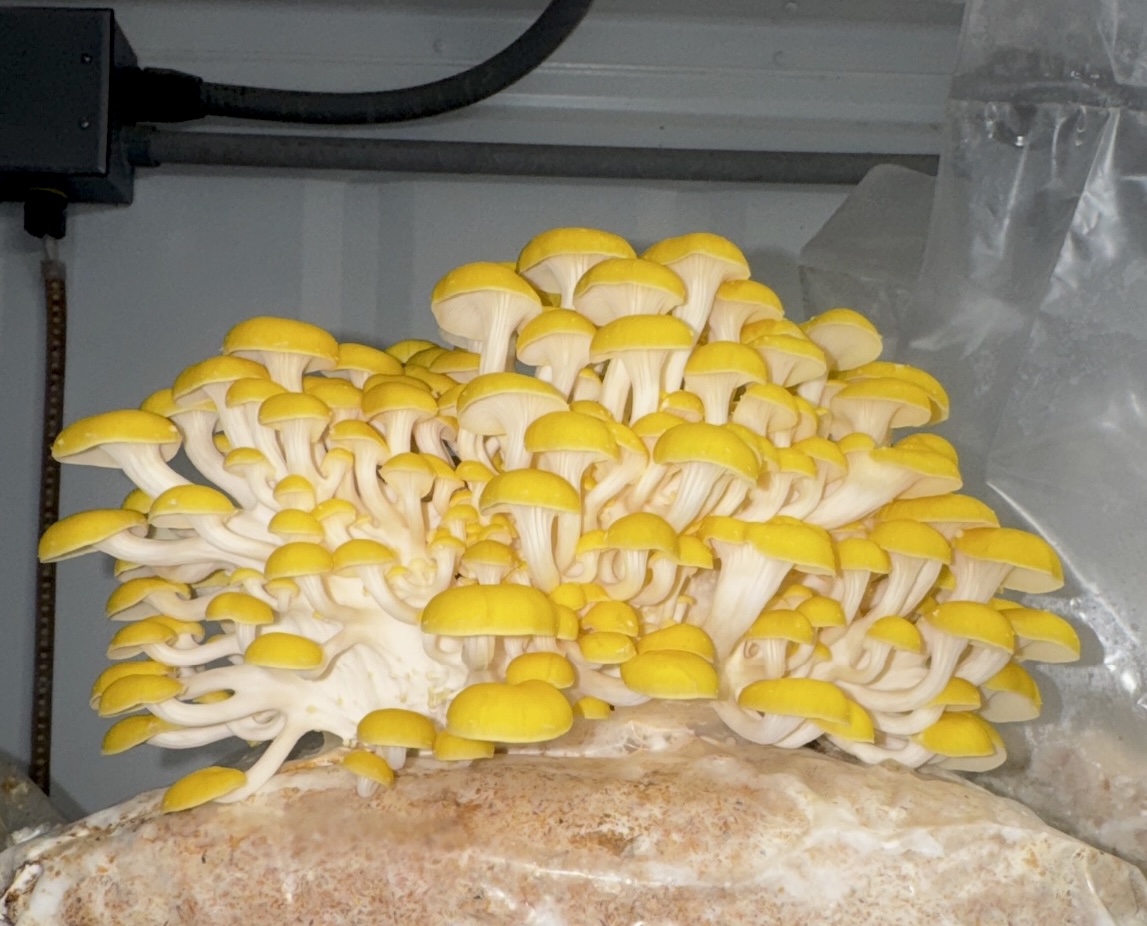
Golden oyster mushrooms fruiting in a container mushroom farm.At its core, mushroom farming is about precision. Mushrooms are not like traditional crops. They do not rely on sunlight and they thrive in carefully managed environments with exact humidity, temperature, airflow and carbon dioxide levels. This makes them uniquely suited for indoor production. A controlled-climate container takes that concept further by creating a sealed, optimized ecosystem where every variable is dialed in for peak performance.

For a business owner, this translates into predictability. Instead of battling weather, pests and seasonal swings like most farmers, you are operating within a stable environment that produces consistent yields. That reliability is a major advantage when supplying restaurants, grocery stores or institutional buyers who demand steady inventory and uniform quality.

The economics are equally compelling. Gourmet mushrooms such as oyster, lion’s mane and shiitake command premium prices in local markets. Chefs value their flavor and freshness. Consumers are increasingly drawn to their health benefits and culinary versatility. With a container-based system, growers can produce these varieties close to the point of sale, reducing transportation costs and delivering a fresher product than large scale distributors can offer.

This local advantage matters. In many regions, mushrooms travel hundreds or even thousands of miles before reaching the shelf. By the time they arrive, quality has already begun to decline. A container farm located within the community can harvest and deliver within hours. That freshness becomes a selling point that customers are willing to pay for, especially in farm to table markets.

Another powerful aspect of container mushroom farming is its accessibility. Traditional agriculture often requires large tracts of land, significant water resources and years of experience. A container system lowers those barriers. It can be placed in urban areas, on unused lots or alongside existing businesses. It requires far less water than field crops and can operate with a relatively small team. With the right training and support, even first time growers can achieve success.

This accessibility also opens doors for diversification. Restaurants can grow their own specialty mushrooms. Schools can integrate production into hands-on STEM education. Correctional facilities and community programs can use mushroom farming as a workforce development tool. The versatility of the container model allows it to fit into a wide range of environments and missions.

From a sustainability perspective, mushrooms are already one of the most efficient crops to produce. They grow on agricultural byproducts such as sawdust or straw, turning low value materials into nutrient dense food. A controlled environment enhances that efficiency by minimizing waste and optimizing resource use. Water use is nominal (about 10-15 gallons per day). Energy consumption is managed through insulation and automation. The result is a system that aligns with growing demand for environmentally responsible food production.

Automation plays a key role in making this all work. Modern container farms are equipped with sensors and control systems that monitor and adjust conditions in real time. This reduces the need for constant manual oversight and allows operators to focus on harvesting, packaging and sales. It also creates opportunities for remote monitoring, giving owners the ability to manage their operation from virtually anywhere.

For those considering a new business venture, the scalability of container mushroom farming is particularly attractive. You can start with a single unit and prove your market. As demand grows, you can add additional containers to increase production without reinventing your process. Each unit functions as a repeatable module, making expansion straightforward and manageable.

Marketing mushrooms is often easier than people expect. They have a strong story behind them. They are nutritious, sustainable and locally grown. They appeal to chefs, health-conscious consumers and anyone interested in supporting regional food systems. With the right branding and outreach, growers can quickly build relationships with buyers and establish a loyal customer base.

There is also a growing awareness of the functional benefits of certain mushroom varieties. Lion’s mane is associated with cognitive support. Reishi is often linked to immune health. While regulations vary around health claims, the general interest in these benefits is driving demand. This creates additional opportunities for growers to differentiate their products and tap into premium markets.

Of course, no business is without challenges. Success in mushroom farming requires attention to detail, adherence to best practices and a commitment to quality. Contamination control, proper handling and consistent monitoring are essential. However, these challenges are precisely what a controlled-climate container is designed to address. By standardizing the environment and providing built-in systems for sanitation and airflow, it reduces many of the risks that can derail traditional operations.

Ultimately, a container-based mushroom farm is more than just a piece of equipment. It is a platform for building a resilient, scalable and future focused business. It empowers individuals and organizations to take control of food production in a way that is efficient, sustainable and profitable.

For those looking to enter agriculture without the constraints of land and weather, or for businesses seeking a high-margin product with growing demand, mushroom farming in a controlled climate container offers a clear path forward. It combines the science of controlled-environment agriculture with the art of cultivating one of the most fascinating and valuable crops on the market.

The opportunity is here. The technology is ready. The market is waiting.
What ‘Supporting Local Farms’ Really Means

We often hear the phrase “Support your local farmers.” But what does that really mean?

Well, it contributes to the economic vitality of local communities in a major way. When consumers choose locally produced goods, they help sustain crucial local farming operations, preserving agricultural land and maintaining rural (and urban) livelihoods. In turn, this fosters a stronger economy by generating employment opportunities and encouraging entrepreneurship within the community.

Supporting local farms also promotes environmental sustainability. Locally sourced produce often requires less transportation, reducing the carbon footprint associated with long-distance shipping. This can lead to lower greenhouse gas emissions, contributing to a more eco-friendly and sustainable food system. Many local farms prioritize sustainable farming practices, promoting biodiversity and soil health, too. These elements of the operations can’t be overstated.

Buying from local farms often means fresher and more flavorful products as well. Locally grown produce is typically harvested at peak ripeness, offering consumers higher nutritional value and better taste. This connection to fresh, seasonal ingredients can also foster a greater appreciation for the diversity of crops and promote a healthier diet, while ensuring that people have a longer period of time to eat the food before it goes to waste.

Supporting local farms plays a role in maintaining food security. By diversifying the sources of food production and distribution, local communities become less vulnerable to disruptions in global supply chains, like what we saw during the COVID-19 pandemic. This localized approach helps build resilience against external factors that could impact food availability and affordability.

In a social context, backing local farms fosters a sense of community. Farmers markets and direct-to-consumer sales allow for direct interactions between producers and consumers, creating a stronger bond and understanding of where food comes from. This connection promotes a shared commitment to sustaining local agriculture and can strengthen community ties.

In short, supporting local farms goes beyond the act of buying food; it’s a holistic investment in the economic, environmental and social well-being of communities. Choosing locally sourced products empowers local farmers, promotes sustainability, enhances the quality of food and contributes to the resilience and cohesion of communities. What more can you ask for?

The Long-Term Impacts of Indoor Agriculture

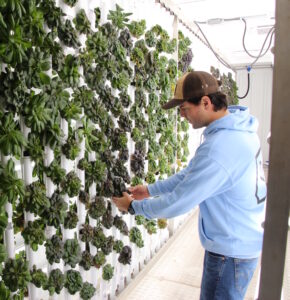
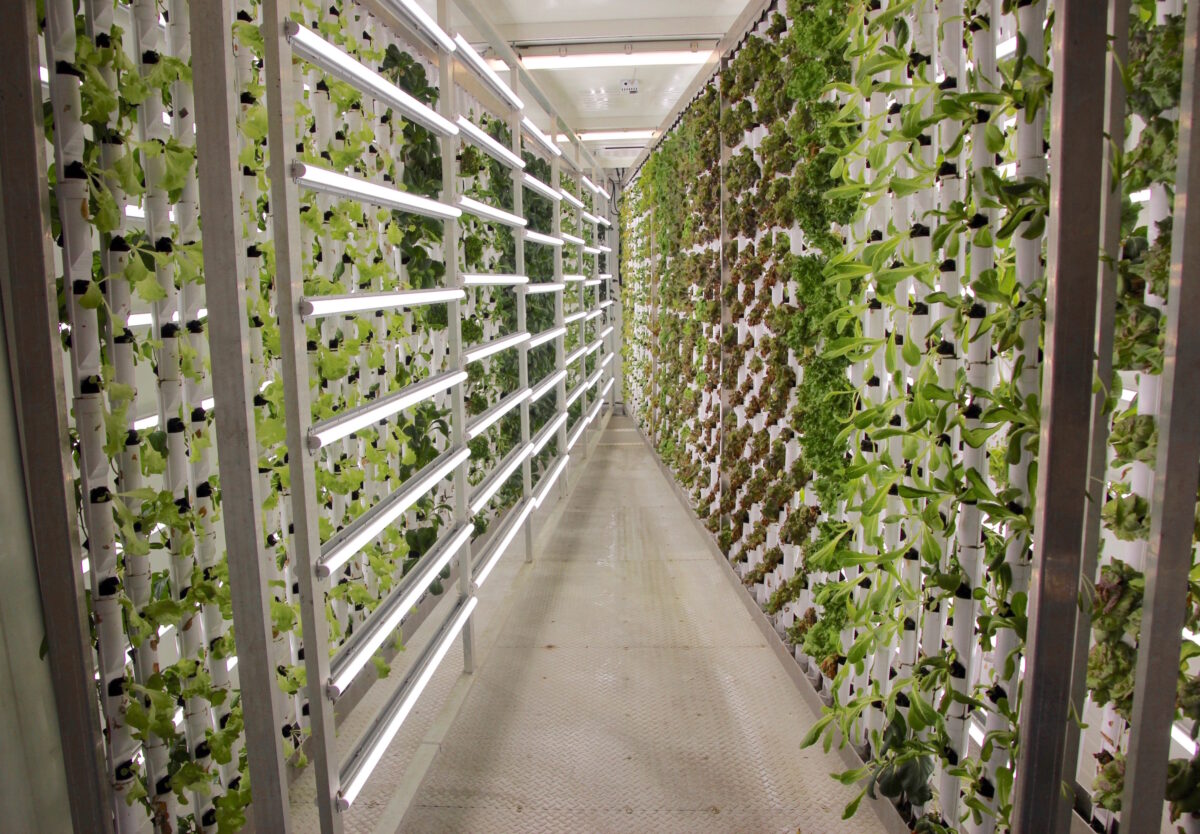
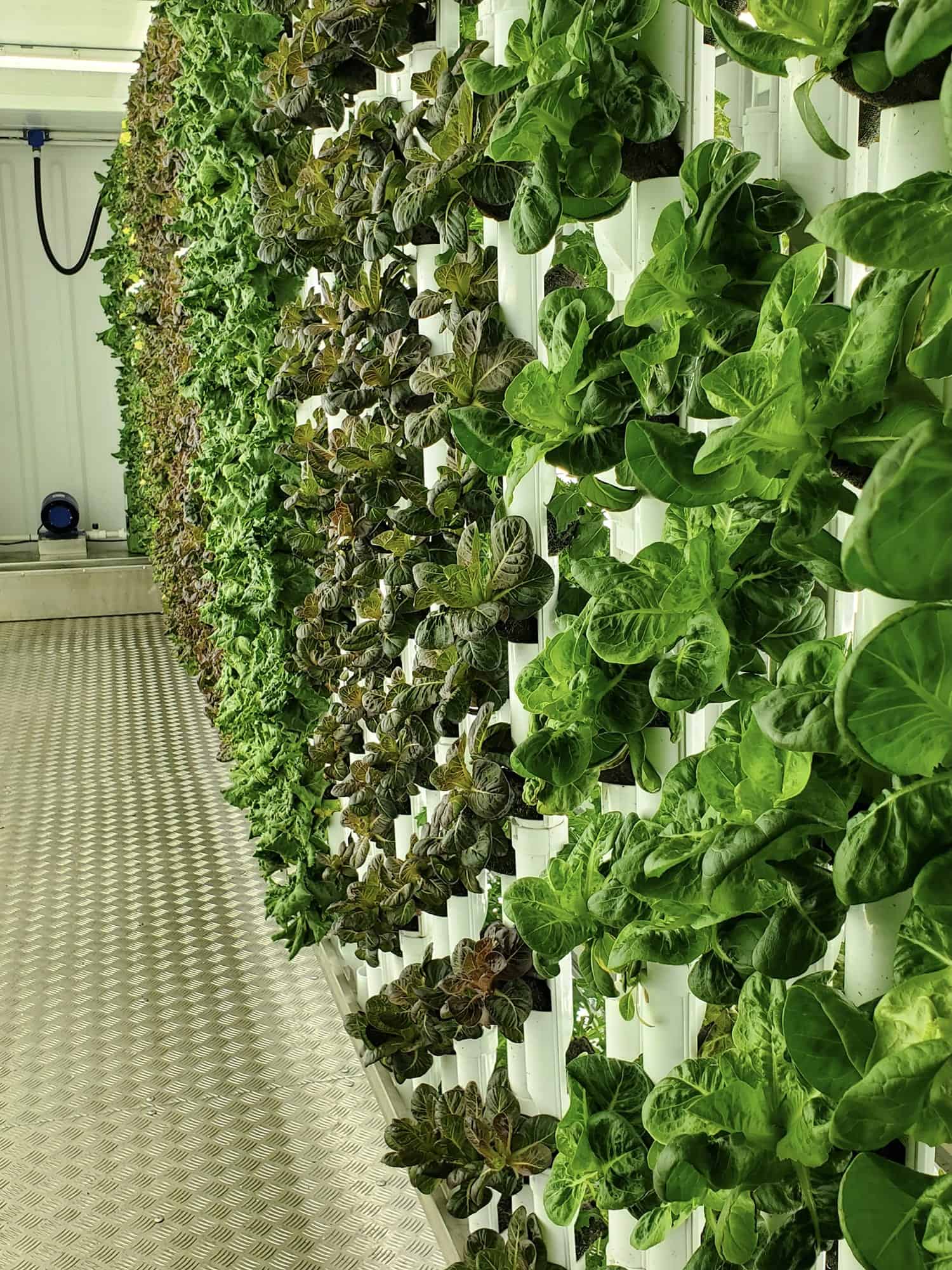
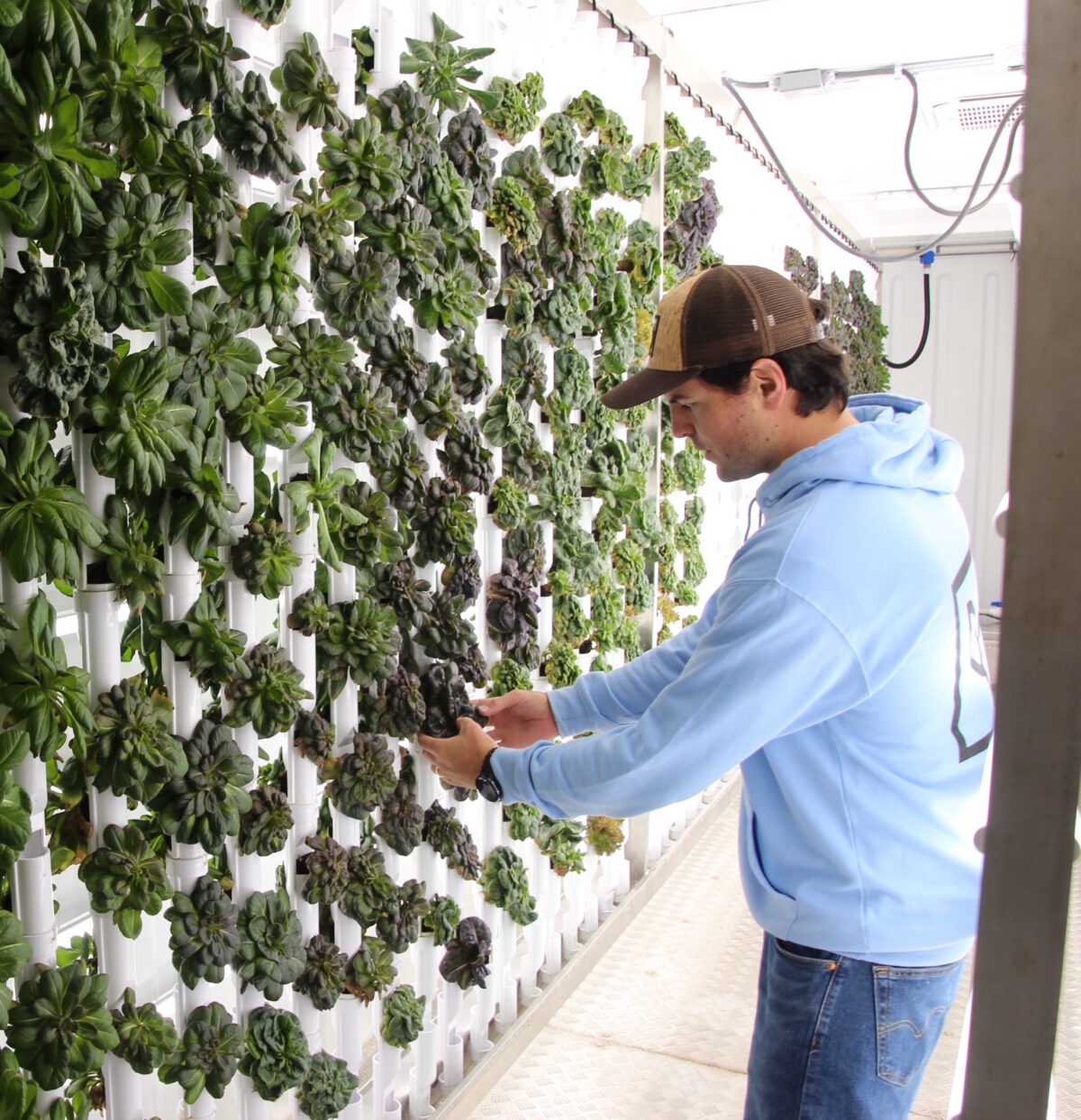
Container farming, a version of indoor farming also known as vertical farming, involves growing crops in controlled environments within shipping containers or other enclosed spaces. The advent of this technology, which relies on sensors to control the growing parameters, holds a lot of promise, especially as climate shifts continue to farmers and ranchers in traditional settings. While it’s difficult to predict the future with absolute certainty, it’s now possible identify several potential long-term impacts of container farming.

Sustainable agriculture: Container farming offers a more sustainable and efficient way to grow crops compared to traditional outdoor agriculture. By using less land, water, and pesticides, it can help reduce the environmental impact of agriculture. This could lead to a decrease in deforestation, habitat destruction and the use of harmful chemicals that end up in our food and drinking supply.

Local Food Production: Container farming allows for year-round production of fresh produce, regardless of the local climate. This can reduce the need for long-distance transportation of food and promote local food systems. It may also help address food security and reduce the carbon footprint associated with food distribution.

Improved Resource Efficiency: Container farms can make more efficient use of resources like water, energy, and space. They often use hydroponic or aeroponic systems, which consume less water than traditional soil-based farming. Advanced climate control and LED lighting systems can optimize energy use. Colorado-based FarmBox Foods uses pre-insulated to help energy draws.

Food Security: Container farming can play a crucial role in ensuring a stable food supply in areas with food scarcity or those affected by natural disasters. The ability to control growing conditions can help mitigate the effects of climate change and other environmental challenges.

Job Creation: The container farming industry is growing, creating jobs in areas such as plant science, engineering, data analysis, business planning, and farm management. This can contribute to local and regional economic development.

Technology Advancements: As container farming technologies continue to evolve, they may lead to breakthroughs in agriculture, such as improved crop genetics, pest and disease management, and data-driven decision-making. These advancements are expected to benefit traditional agriculture as well.

Reduced Food Waste: By enabling on-demand production and minimizing transportation distances, container farming can help reduce food waste — currently a significant global issue — because food arrives on the plates of consumers much sooner after being harvested.

Educational Opportunities: Container farming can serve as a valuable educational tool, teaching people about plant biology, technology, and sustainable farming practices. Schools, universities, and community organizations use container farms to engage students and the public, including the South Carolina Governor’s School of Science and Math, Delaware State University, the EPIC Campus in Littleton, Colo., and more to come.

Space Exploration: Container farming concepts have been explored for space missions, such as Mars colonization, where growing food in a controlled environment is essential due to harsh environmental conditions. Research in this area may have applications for future space exploration.

The long-term impact of container farming is likely to be positive, with the potential to transform agriculture, reduce its environmental footprint, and address food security issues. But it will depend on continued technological advancements, cost reductions and successful integration into existing food production systems for it to make a sizable impact as we head into an uncertain agricultural future.

Farming Solutions for a Sustainable (and Less Scary) Future

Farming Solutions are needed – It seems every day you come across a news story that paints a very bleak future for traditional farming and the consumers who benefit from it.

We’ll briefly explore the many challenges facing the agricultural industry, but we’ll also posit some potential ways for farming operations large and small to adapt to changing times and conditions.

Shifting climate patterns are making it vastly more difficult to predict whether a crop will make it to harvest. Heat waves, hail storms, cold snaps and floods have become more pervasive and intense in recent years. Even crops that may not be directly affected by catastrophes, like the severe drought currently gripping the western portion of the U.S., are being indirectly impacted by residual factors, like smoke from wildfires.

We’re also facing other crippling issues without a foreseeable fix. Supply chains that support agriculture have been stretched to their limit since the beginning of the pandemic for a variety of reasons, including transportation availability, labor shortages, and associated delays affecting raw material sourcing. And the skyrocketing cost of fertilizer is further complicating matters for traditional farming operations and having an outsized impact on already-thin profit margins.

But what if there was a way to circumvent these issues using innovations in agtech? It sounds impossible, and while it comes with its own set of challenges, indoor growing, especially in urban areas, could be a big part of the answer going forward. 

Science and tech have come a long way in the last decade (hello, sensor technology!), allowing growers to do much more with much less in a smaller footprint. And hyperlocal farming means produce grows near the consumer, eliminating supply chain-related woes. Instead of spending the first half of its shelf life in transit, veggies get to the end user much quicker, resulting in less food waste. Local growing also reduces the need to burn fossil fuels to get food to its destination, and empowers communities to gain more control over their own food supply.

It’s hard to put a value on security and reliability, and we certainly won’t attempt to, but controlled-environment agriculture allows people to harvest large yields year-round without external variables getting in the way. There’s also no need for fertilizers or pesticides, which takes possible contamination of drinking water out of the equation. 

The practice is gaining momentum worldwide and already having an impact on sourcing for grocery chains, hotels, hospitals, restaurants and food banks. Likewise, farmers are embracing the technology because it provides a security blanket in uncertain times.