Fresh Mushrooms vs. Dried vs. Extracts: What’s the Difference?

Walk into any health food store or scroll through a wellness website and you’ll quickly notice that functional mushrooms come in many forms. Fresh lion’s mane at a farmers market. Dried slices in resealable bags. Powders, capsules, tinctures and extracts promising focus, immunity or stress support.
They all come from the same mushroom, so what’s the real difference?

The short answer is that form matters. How a mushroom is prepared directly affects how its beneficial compounds are preserved, concentrated and absorbed by your body. Understanding these differences can help you choose the option that best fits your lifestyle and health goals.

Let’s break it down.


Fresh Mushrooms: Closest to Nature

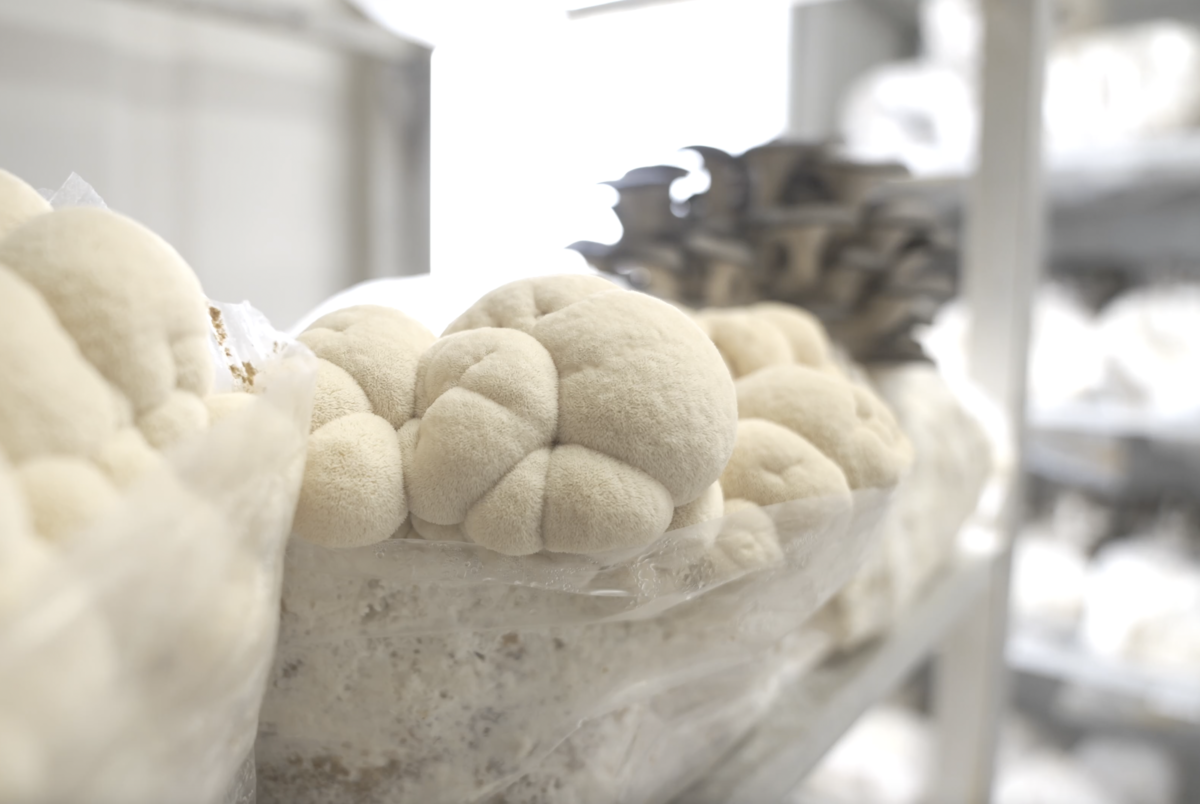
Fresh functional mushrooms are exactly what they sound like: whole, living mushrooms harvested and used in their natural state. Lion’s mane, reishi and oyster mushrooms are increasingly showing up in kitchens thanks to their culinary appeal and growing popularity.

From a nutritional standpoint, fresh mushrooms contain a wide range of naturally occurring compounds, including polysaccharides, antioxidants, fiber and micronutrients. When cooked properly, they can be a flavorful way to support general wellness as part of a balanced diet.

However, it’s important to note: many of the compounds that make functional mushrooms so interesting, particularly beta-glucans and certain neuroactive compounds in lion’s mane, are locked inside tough fungal cell walls made of chitin. Cooking helps, but it does not fully break those walls down. That means your body may not absorb everything the mushroom has to offer.

Fresh mushrooms also have a shorter shelf life and inconsistent potency. One harvest may be stronger than another, and dosing for specific functional benefits is difficult to measure.

Fresh is excellent for food and foundational nutrition, but it is not always the most efficient way to access functional compounds.


Dried Mushrooms: Concentrated and Shelf-Stable

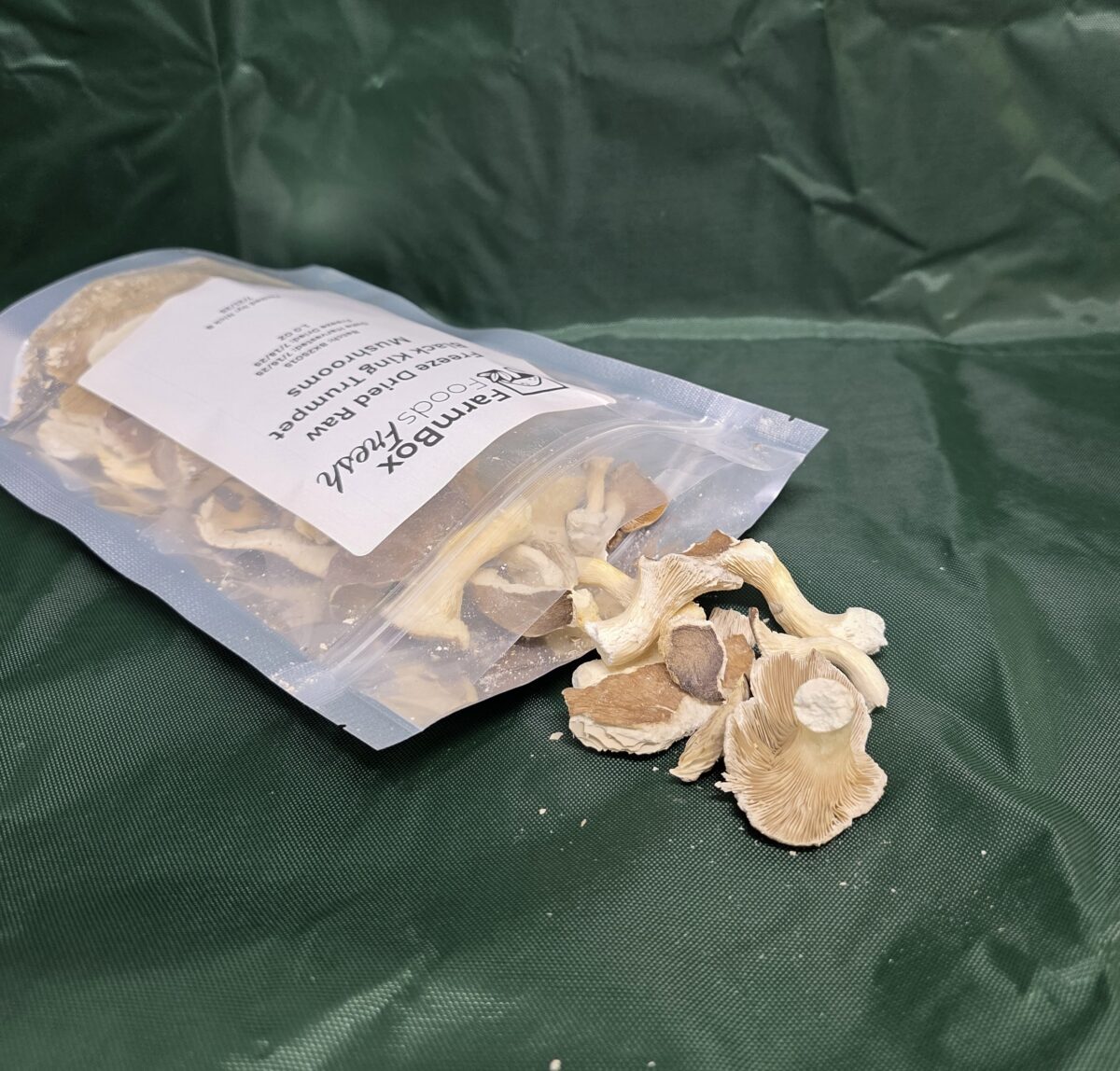
Drying mushrooms removes their water content, which concentrates many of their nutrients and significantly extends shelf life. Dried mushrooms (dehydrated for freeze dried) can be sliced, ground into powders or rehydrated for cooking.

This form offers a step up from fresh in terms of consistency and convenience. Dried mushrooms are easier to store, easier to transport and allow for more predictable serving sizes. When ground into a powder, they can be added to smoothies, coffee or recipes without changing texture too dramatically.

That said, dried mushrooms still retain much of their chitin structure. While drying concentrates the mushroom, it does not fully unlock all bioactive compounds. You may still be leaving some benefits on the table, especially if your goal is cognitive support, immune modulation or therapeutic-level effects.

Drying also depends heavily on temperature and technique. Improper drying can degrade sensitive compounds or reduce overall quality.

Dried mushrooms sit in the middle ground: more practical than fresh, more potent for daily use, but sometimes limited in absorption.


Extracted Mushrooms: Designed for Absorption

Extraction is where functional mushrooms shift from food to targeted wellness tool.

Mushroom extracts are created by breaking down the chitin cell walls to release compounds that your body can more easily absorb. This is typically done using hot water, alcohol or a combination of both, known as dual extraction.

Hot water extraction pulls out beta-glucans and polysaccharides associated with immune and gut health. Alcohol extraction captures compounds that are not water-soluble, such as certain terpenes and neuroactive molecules. Dual extraction aims to deliver the broadest possible spectrum of benefits.

For lion’s mane specifically, extraction is especially important. Compounds linked to nerve growth factor support are far more bioavailable in extracted form than in fresh or simply dried mushrooms.

Extracts offer consistency, potency and measurable dosing. They can be taken as powders, capsules or tinctures, making them easy to incorporate into daily routines. This is the form most commonly used in research studies, which is why extracts are often referenced when discussing functional mushroom science.

The key downside is quality variation. Not all extracts are created equal. Some products use mycelium grown on grain rather than whole fruiting bodies. Others fail to disclose extraction methods or active compound levels. Choosing a reputable source matters (ahem, FarmBox Foods Fresh).


So Which Form Is Best?

There is no single right answer. It depends on your intent.

If you enjoy cooking and want to include mushrooms as part of a nutrient-rich diet, fresh mushrooms are a wonderful choice. If you want convenience and versatility with a longer shelf life, dried mushrooms make sense. If your goal is targeted support for brain health, immunity or stress resilience, extracts are typically the most effective option.

Many people use a combination. Fresh mushrooms on the plate, dried powders in recipes, and extracts as part of a daily wellness routine.

Functional mushrooms are not about quick fixes. They work best when used consistently and intentionally. Understanding the difference between fresh, dried and extracted forms helps you make informed choices and get the most out of what these remarkable organisms have to offer.
Exploring the Wondrous World of Functional Mushrooms

Anyone who’s even slightly attuned to developments in the ‘trending foods’ space are surely aware of the surging popularity of functional mushrooms like lion’s mane, reishi and cordyceps.

Many of the purported health benefits that have been talked about for years are now supported by scientific research, and medical professionals increasingly are encouraging the consumption of these varieties, whether they’re ingested through foods, drinks, supplements, topicals or other means.

Used for centuries in traditional medicine, the dynamic mushrooms offer a range of effects from cognitive enhancement to immune regulation. While their mechanisms vary, they share anti-inflammatory and antioxidant properties that support overall wellness.

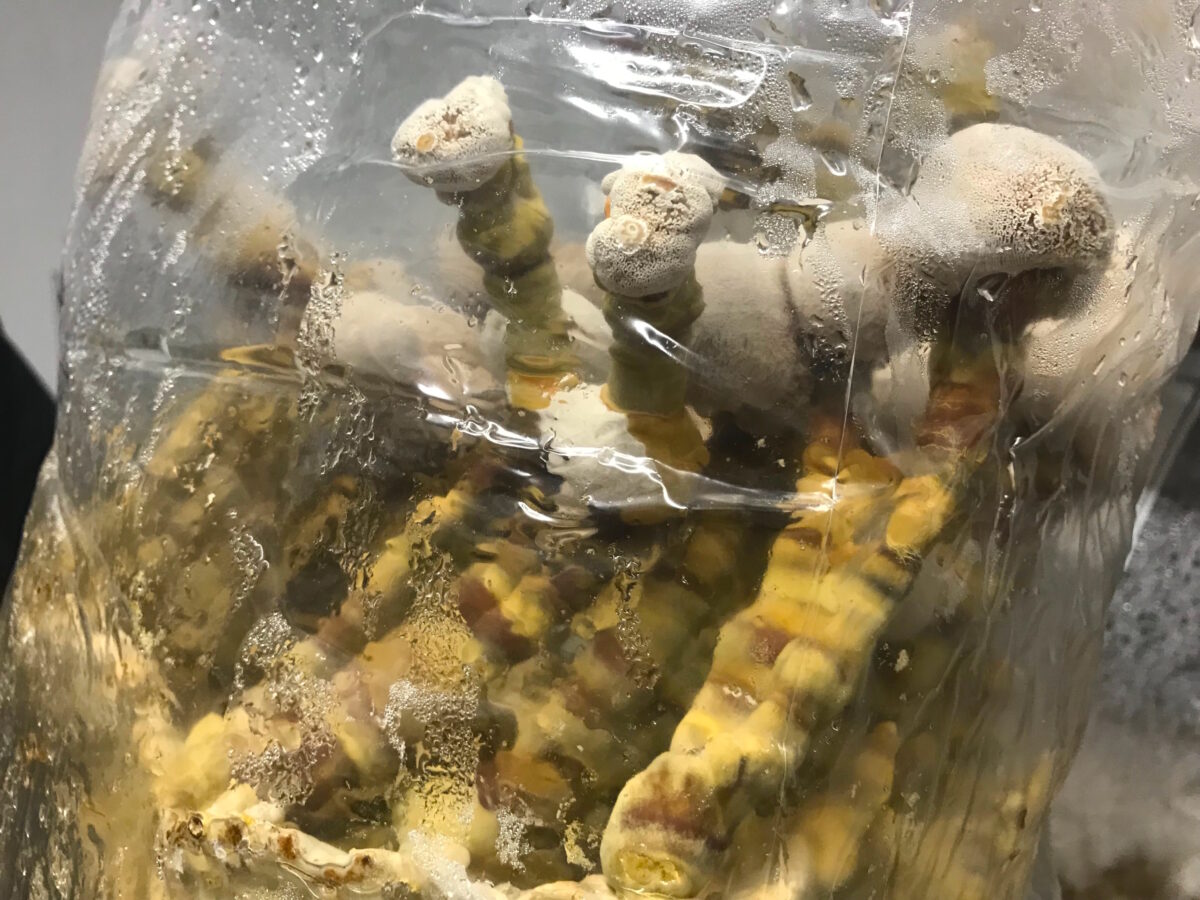
Reishi mushrooms growing from a substrate block made of soy bean hulls and hardwood pellets.

Lion’s mane (hericium erinaceus) is best known for its impact on brain health. Compounds called hericenones and erinacines stimulate the production of nerve growth factor (NGF), which supports the growth and repair of nerve cells. Clinical studies have shown that lion’s mane may improve cognitive function in people with mild cognitive impairment and potentially reduce symptoms of anxiety and depression, likely due to its neuroregenerative effects.

Reishi (ganoderma lucidum) acts as a powerful adaptogen and immune modulator. It helps balance the immune system by either stimulating or suppressing immune activity as needed. Reishi has shown promise in improving sleep quality, reducing fatigue and enhancing well-being in cancer patients undergoing treatment. Some research also supports its use in promoting liver health and reducing inflammation.

Cordyceps (cordyceps militaris and sinensis) are commonly used to enhance energy and stamina. It supports the production of ATP, the body’s primary energy molecule, which may explain improved exercise performance and oxygen utilization observed in some studies. Cordyceps also help regulate blood sugar levels and support immune system function, making it a favorite among athletes and those with metabolic concerns.

Across the board, these functional mushrooms exhibit anti-inflammatory, antioxidant and immune-balancing effects that contribute to long-term health. Though benefits often build gradually with consistent use, the safety profile for most people is favorable. Of course, individuals with autoimmune conditions, mushroom allergies or who are pregnant should consult a healthcare provider before use.

As research continues, the potential of these mushrooms in areas like neurodegeneration, metabolic health and cancer treatment support looks increasingly promising. While not a replacement for conventional treatment, lion’s mane, reishi and cordyceps represent powerful natural tools that can complement a wellness regimen rooted in evidence-based practices.

Exploring the wonderful world of mushrooms

Edible mushrooms have been consumed by humans for thousands of years and are a popular ingredient in various cuisines around the world, but there’s still much to be learned about their nutritional benefits and potential for reducing the risk of chronic illnesses.

Luckily, the science community is putting a greater focus on fungi, which has become a more ubiquitous element of dishes across many cultures in recent years.

Mushrooms belong to a separate kingdom of organisms from plants and animals. They have unique nutritional profiles and are a good source of dietary fiber, antioxidants, vitamins (such as B vitamins and vitamin D), and minerals, such as selenium, copper, and potassium.

Some commonly consumed edible mushroom varieties include shiitake, oysters, portobello, cremini, enoki, trumpets, button, lion’s mane and more. Edible mushrooms are used in a wide range of culinary preparations, including soups, stir-fries, sauces, stews, salads, and even as a meat substitute in vegetarian and vegan dishes.

Mushrooms are typically low in calories and fat, making them a healthy choice for those watching their weight or following a low-fat diet.

Edible mushrooms are known for their umami flavor, which is a savory taste sensation often described as “meaty” or “earthy.” The unique flavor profile makes them a versatile ingredient in many dishes.

Mushrooms are the only non-animal food source of vitamin D. When exposed to sunlight or ultraviolet light, they can naturally synthesize vitamin D, which can be beneficial for individuals with limited sun exposure.

Some edible mushrooms, such as shiitake and maitake mushrooms, have been studied for their potential health benefits, including immune system support and anti-inflammatory properties. Likewise, lion’s mane has been identified as a booster for cognitive function.

FarmBox Foods has designed and manufactured a high-output, all-in-one mushroom cultivation container, which comes with a ribbon mixer to create your own substrate,  a steam cabinet to pasteurize the substrate, a clean lab, incubation room, and a fruiting room. It’s a centerpiece of the Colorado company’s suite of containerized farms. It allows for commercial scale growing of oysters, lion’s mane, enoki, chestnut, trumpet, reishi and more.

It’s worth noting that while many mushrooms are edible and safe to consume, there are also poisonous varieties. It is crucial to have proper knowledge and identification skills or to rely on trained experts when foraging wild mushrooms.

New Business Grows Mushrooms in Upcycled Shipping Container

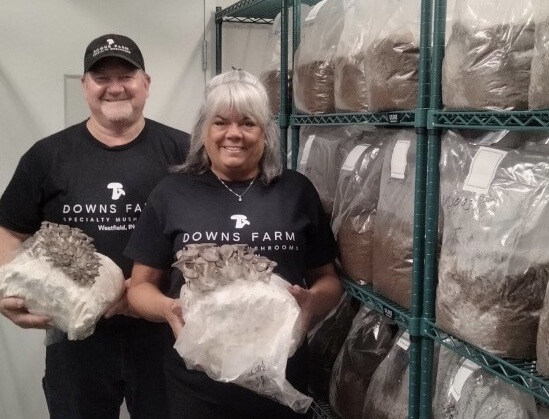
A Westfield, Indiana, couple is celebrating the launch of a new business centered around specialty mushrooms that are sustainably grown in a controlled-climate farm.
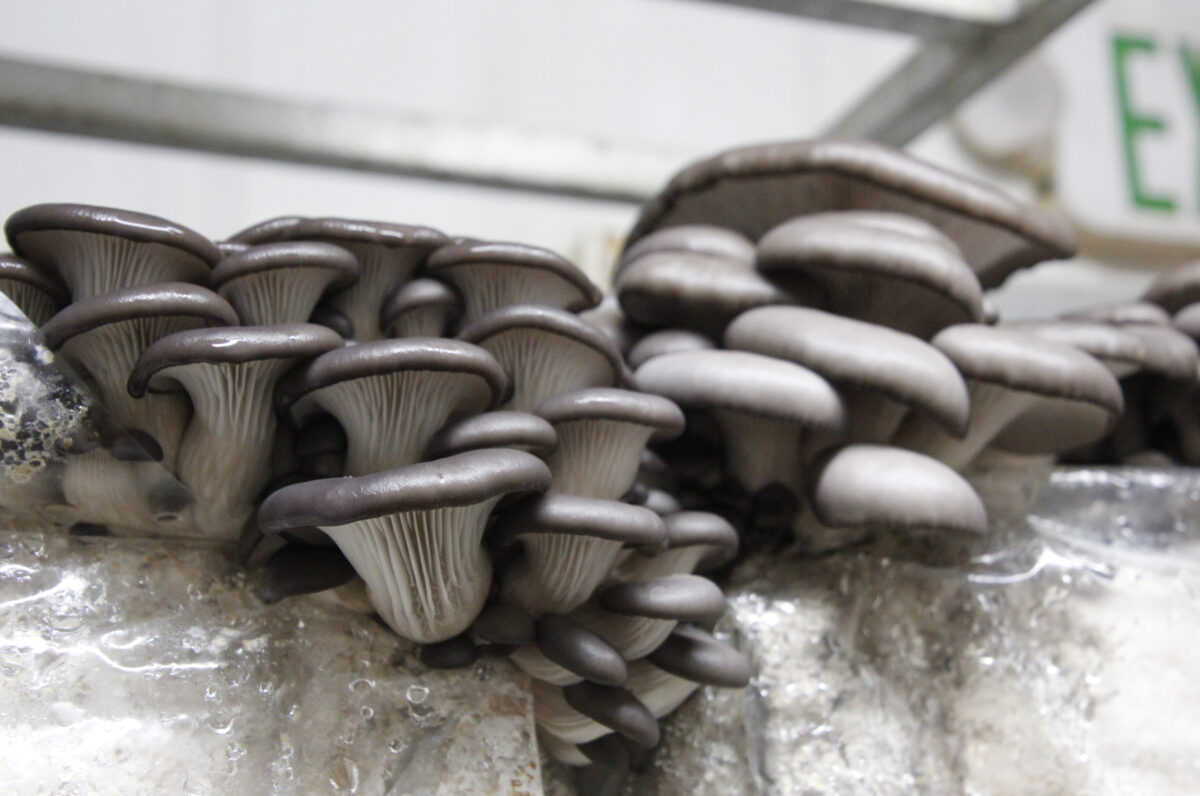
Mark and Julie Downs harvested their first batch of blue oyster mushrooms in mid-July, just weeks after their innovative, container-based farm was delivered. 

“As a lifelong resident of Westfield, I am excited to bring something new to our growing city,” Mark Downs said. “With the upcycled container farm, we will be able to supply fresh and chemical free gourmet mushrooms year round to restaurants and residences.” 

Having a local mushroom grower means chefs and grocers have access to the freshest product possible. They no longer have to rely on a shaky supply chain or buy mushrooms that have spent several days in transit and are nearing the end of their shelf life.

Downs Farm is already securing partnerships; on July 28-29, the Angry Donkey, a popular bistro and pub in Michigantown, will begin serving salmon mousse-stuffed halibut with blue oyster mushrooms grown in the tech-assisted farm.

The Gourmet Mushroom Farm — designed and built by Colorado-based FarmBox Foods — is run in part by software and hardware specifically designed for indoor growing operations. It allows farmers to control the humidity and temperature, misting and lighting schedules, fresh air exchange, and more. Cultivating mushrooms in an enclosed, food-safe space means there’s no need to use harmful chemicals in the start-to-finish growing process.

Gourmet mushrooms are becoming a big business as consumers increasingly recognize the health benefits of a wide array of mushroom types. They’re often used as a protein in vegan meals, and they’re an unbelievably delicious part of dishes like beef stroganoff, stir fry, risotto and marsala. 

The Downs are growing blue oysters and lion’s mane, and plan to follow market trends for additional varieties as they expand their operation, which is based on acreage property in Westfield.

As owners of Downs Farm, Julie still has her full-time job and Mark is committing all of his time to cultivating mushrooms.

Exploring the Benefits of Medicinal Mushrooms

Mushrooms have been used for medicinal purposes for centuries in various cultures around the world, and ongoing research shows we’re only scratching the surface when it comes to fully understanding the benefits of fungi.

Immune support is one of the advantages of regularly consuming certain mushrooms. Reishi, turkey tail and maitake have been shown to enhance immune function.

Some mushrooms, including lion’s mane, chaga, and cordyceps, may possess anti-inflammatory properties, and many types of mushrooms (shiitake, oysters and porcinis) are rich in antioxidants, which help combat stress and protect cells from damage. Likewise, adaptogens are composed of substances that help the body adapt to stress and promote overall well-being.

But perhaps of the driving forces behind the recent surge of interest in mushrooms is cognitive health. Lion’s mane, in particular, has been studied for its potential to support brain health, and is believed to promote nerve growth. It may also have neuroprotective effects, potentially benefiting memory and focus.

Cordyceps have long been used in traditional Eastern medicine to enhance energy levels, endurance, and athletic performance. They are also thought to improve oxygen utilization and support the respiratory system. According to Healthline.com, they also have the potential to slow the growth of tumors.

Some types of fungi, such as shiitake, contain dietary fiber and compounds that may promote digestive health. Shiitake mushrooms also contain a compound called lentinan, which has been studied for its potential anti-tumor properties, although nothing conclusive has been declared by health experts.

Further scientific research is needed to validate the effectiveness of ingesting mushrooms. But professional and amateur chefs alike continue to come up with creative ways to incorporate mushrooms into the diets of consumers by crafting delicious sides and fanciful vegan dishes. And one of the biggest plusses is that mushrooms aren’t seasonal; most commercially available fungi grows all year long in warehouses or containerized, controlled-climate environments.