From Our Farm to Your Fork: Explore FarmBox Foods Fresh!

Introducing FarmBox Foods Fresh: Gourmet Mushrooms Grown Locally in Sedalia

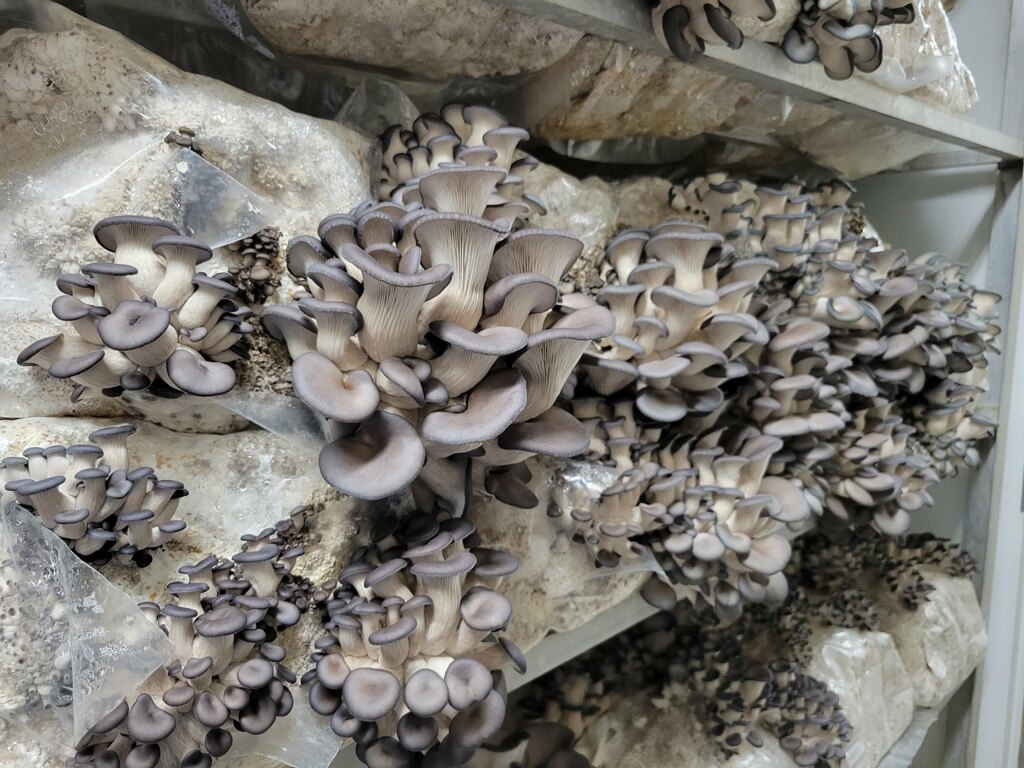
FarmBox Foods is thrilled to announce the official launch of FarmBox Foods Fresh, a new subsidiary dedicated to cultivating high-quality, chef-grade gourmet mushrooms right here in Sedalia, Colorado. With weekly harvests and an unwavering commitment to freshness and sustainability, FarmBox Foods Fresh is redefining what it means to eat locally.
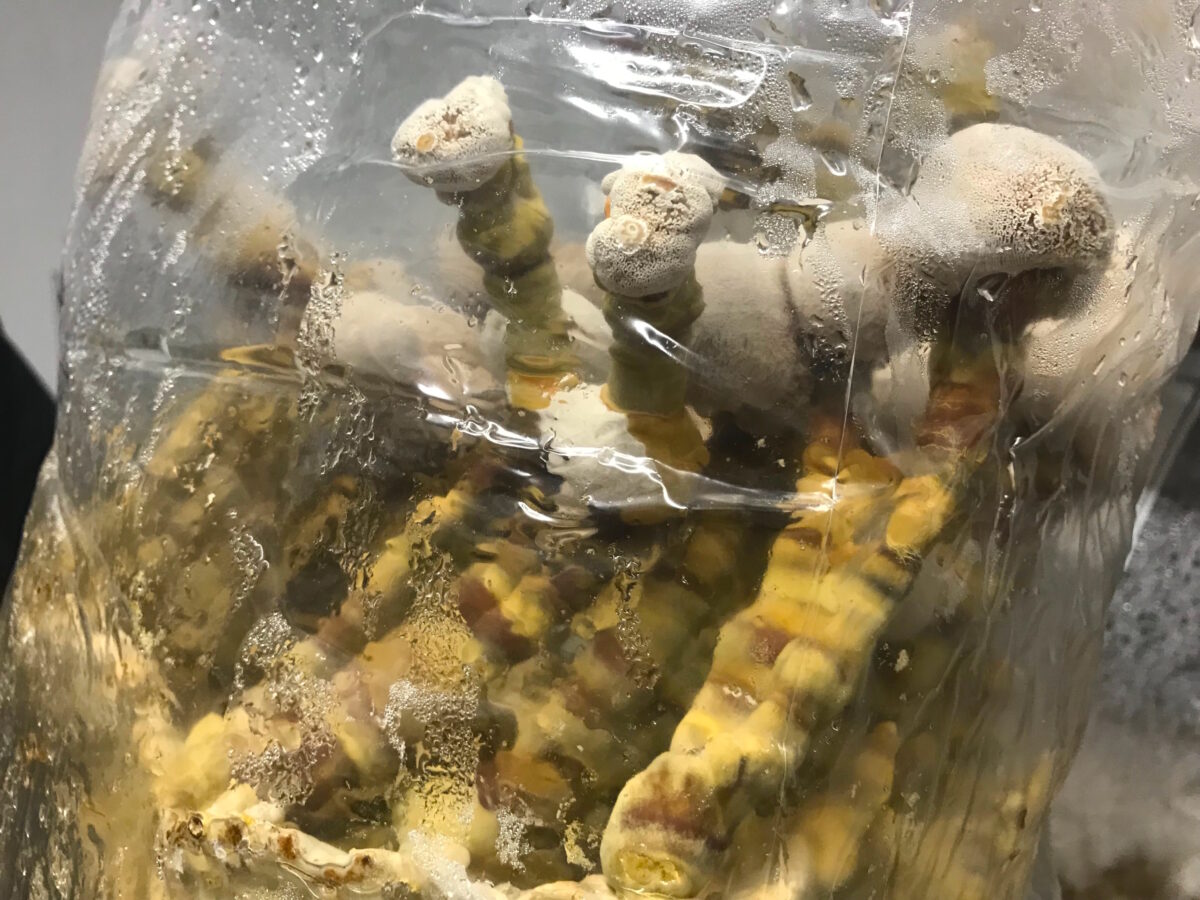
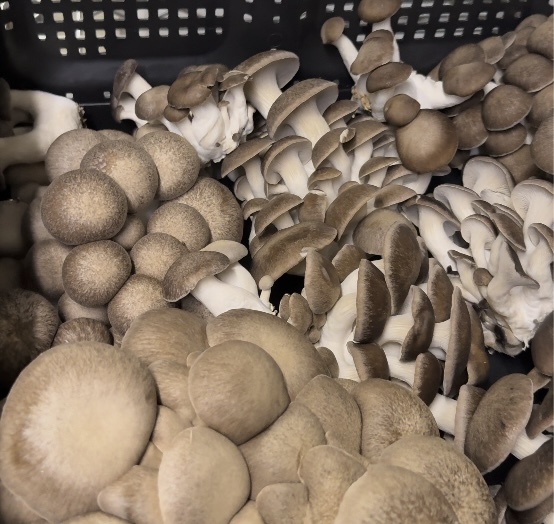
Black king trumpet mushrooms

From restaurants looking for unique ingredients to food lovers seeking fresh flavors, FarmBox Foods Fresh offers a delicious variety of mushrooms that are grown with care and precision. These gourmet mushrooms are harvested throughout the week and are available for both pick-up and delivery, Monday through Friday.

Now Available: A Flavorful Assortment

Our current June harvest includes a colorful selection of gourmet mushrooms:

  • Blue Oyster – $9/lb (5-10 lbs), $8/lb (11-20 lbs), $7/lb (21+ lbs)
  • Black King Trumpets – $9/lb (5-10 lbs), $8/lb (11-20 lbs), $7/lb (21+ lbs)
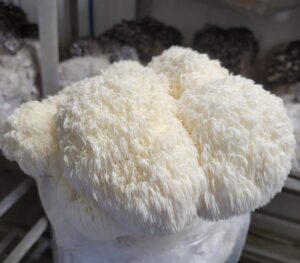
  • Lion’s Mane – $12/lb (5-20 lbs), $10/lb (21+ lbs)

Coming Soon

  • Chestnut – $10/lb (5-10 lbs), $9/lb (11-20 lbs), $8/lb (21+ lbs)
  • Golden Oyster – $9/lb (5-10 lbs), $8/lb (11-20 lbs), $7/lb (21+ lbs)
  • King Blue Oyster – $10/lb (5-10 lbs), $9/lb (11+ lbs)
  • Pink Oyster – $9/lb (5-10 lbs), $8/lb (11-20 lbs), $7/lb (21+ lbs)
  • King Trumpets – $12/lb (5-10 lbs), $10/lb (11+ lbs)
  • Snow Oyster – $9/lb (5-10 lbs), $8/lb (11-20 lbs), $7/lb (21+ lbs)

Whether you’re a chef sourcing premium mushrooms for culinary creations or a home cook on the hunt for nutrient-rich, flavorful ingredients, these mushrooms are as versatile as they are visually stunning.

Exciting new varieties are also in the works, with pre-orders now being accepted. Keep an eye on our website for updates as we expand our offerings.

Visit or Contact Us

Located at 5389 Plum Ave, Sedalia, CO 80135, FarmBox Foods Fresh offers convenient pick-up and delivery options to make fresh, local food more accessible. For ordering, questions, or pre-orders, reach out to us:

📧 sedalia@farmboxfoods.com
📞 (303) 285-4076
🌐 farmboxfoodsfresh.com

To learn more about each mushroom’s flavor profile and recommended culinary uses, visit our website and explore how FarmBox Foods Fresh is bringing gourmet fungi to your table — fresh from Sedalia.

What You Need to Know About Mushroom Extracts

It seems that the buzz about mushroom extracts has only gotten louder over the last few years.

It’s not just a passing fad. They’ve gained attention for their potential to support overall wellness, and people are increasingly turning to them as natural supplements. These extracts are typically derived from medicinal mushrooms like lion’s mane, reishi, cordyceps, chaga and turkey tail. They’re usually concentrated into powders, tinctures or capsules, making it easier to incorporate their health-boosting compounds into a daily routine. Extracts often contain higher levels of beta-glucans, triterpenes and other active compounds than raw mushrooms, which is why they’re prized in herbal and functional medicine.

(Shameless plug: FarmBox Foods Fresh will soon be taking orders for freeze-dried mushroom varieties, including lion’s mane.)

Lion’s mane extract is especially well-known for its impact on brain health. It’s been shown to stimulate the production of nerve growth factor (NGF), a protein that’s critical for the growth and survival of neurons. People use it to improve focus, mental clarity and even mood, and there’s emerging research that supports its potential in slowing the progression of neurodegenerative diseases like Alzheimer’s. It’s a popular ingredient in nootropic blends and is popular among students, professionals and older adults alike.

Reishi, sometimes called the “mushroom of immortality,” is used for its calming effects and immune-boosting power. Traditionally used in Eastern medicine, reishi extract is believed to help reduce stress, improve sleep quality and support immune function through its adaptogenic properties. It’s commonly found in nighttime teas or taken as a daily supplement to help the body cope with long-term physical or emotional stress.

Cordyceps extract stands out for its role in enhancing energy, stamina and athletic performance. It’s often used by athletes and those looking to improve oxygen utilization and reduce fatigue. Studies have shown that cordyceps may help support respiratory function and increase ATP (adenosine triphosphate) production, which is the body’s main source of energy at the cellular level. That makes it a popular addition to pre-workout supplements or endurance training regimens. Some of the world’s top athletes have incorporated it into their diets with positive results.

Chaga and turkey tail are both revered for their powerful antioxidant and immune-modulating effects. Chaga, with its high ORAC (Oxygen Radical Absorbance Capacity) score, is often taken to fight inflammation and neutralize free radicals. Turkey tail, on the other hand, is especially rich in polysaccharopeptides like PSP and PSK, which have been studied for their ability to enhance immune response and support cancer therapies. Both are frequently used as part of holistic approaches to chronic illness and immune system support.

Overall, mushroom extracts offer a wide range of health benefits that span from brain and immune support to stress reduction and increased energy. Their uses continue to grow as more scientific research backs up centuries of traditional use. Whether you’re brewing them into a tea, mixing them into smoothies or taking them in capsules, these fungi are proving to be versatile allies in modern wellness routines.

Exploring the Wondrous World of Functional Mushrooms

Anyone who’s even slightly attuned to developments in the ‘trending foods’ space are surely aware of the surging popularity of functional mushrooms like lion’s mane, reishi and cordyceps.

Many of the purported health benefits that have been talked about for years are now supported by scientific research, and medical professionals increasingly are encouraging the consumption of these varieties, whether they’re ingested through foods, drinks, supplements, topicals or other means.

Used for centuries in traditional medicine, the dynamic mushrooms offer a range of effects from cognitive enhancement to immune regulation. While their mechanisms vary, they share anti-inflammatory and antioxidant properties that support overall wellness.

Reishi mushrooms growing from a substrate block made of soy bean hulls and hardwood pellets.

Lion’s mane (hericium erinaceus) is best known for its impact on brain health. Compounds called hericenones and erinacines stimulate the production of nerve growth factor (NGF), which supports the growth and repair of nerve cells. Clinical studies have shown that lion’s mane may improve cognitive function in people with mild cognitive impairment and potentially reduce symptoms of anxiety and depression, likely due to its neuroregenerative effects.

Reishi (ganoderma lucidum) acts as a powerful adaptogen and immune modulator. It helps balance the immune system by either stimulating or suppressing immune activity as needed. Reishi has shown promise in improving sleep quality, reducing fatigue and enhancing well-being in cancer patients undergoing treatment. Some research also supports its use in promoting liver health and reducing inflammation.

Cordyceps (cordyceps militaris and sinensis) are commonly used to enhance energy and stamina. It supports the production of ATP, the body’s primary energy molecule, which may explain improved exercise performance and oxygen utilization observed in some studies. Cordyceps also help regulate blood sugar levels and support immune system function, making it a favorite among athletes and those with metabolic concerns.

Across the board, these functional mushrooms exhibit anti-inflammatory, antioxidant and immune-balancing effects that contribute to long-term health. Though benefits often build gradually with consistent use, the safety profile for most people is favorable. Of course, individuals with autoimmune conditions, mushroom allergies or who are pregnant should consult a healthcare provider before use.

As research continues, the potential of these mushrooms in areas like neurodegeneration, metabolic health and cancer treatment support looks increasingly promising. While not a replacement for conventional treatment, lion’s mane, reishi and cordyceps represent powerful natural tools that can complement a wellness regimen rooted in evidence-based practices.

Strengthening Economies, Food Security Through Local Farming

It comes as no surprise that localized production of fresh produce offers a transformative approach to improving access to healthy foods in urban, suburban and rural communities. The means of achieving such gains, however, includes some tech-driven elements that will help us collectively plan ahead for our food-production future.

In many areas — especially low-income neighborhoods and remote regions — grocery stores are scarce or stocked with mostly processed, shelf-stable items. By growing food closer to where people live, whether through urban farms, community gardens or container-based systems, these gaps in access can be addressed directly. Local production empowers communities to bring fresh, nutrient-dense fruits and vegetables into areas that have long been considered food deserts.

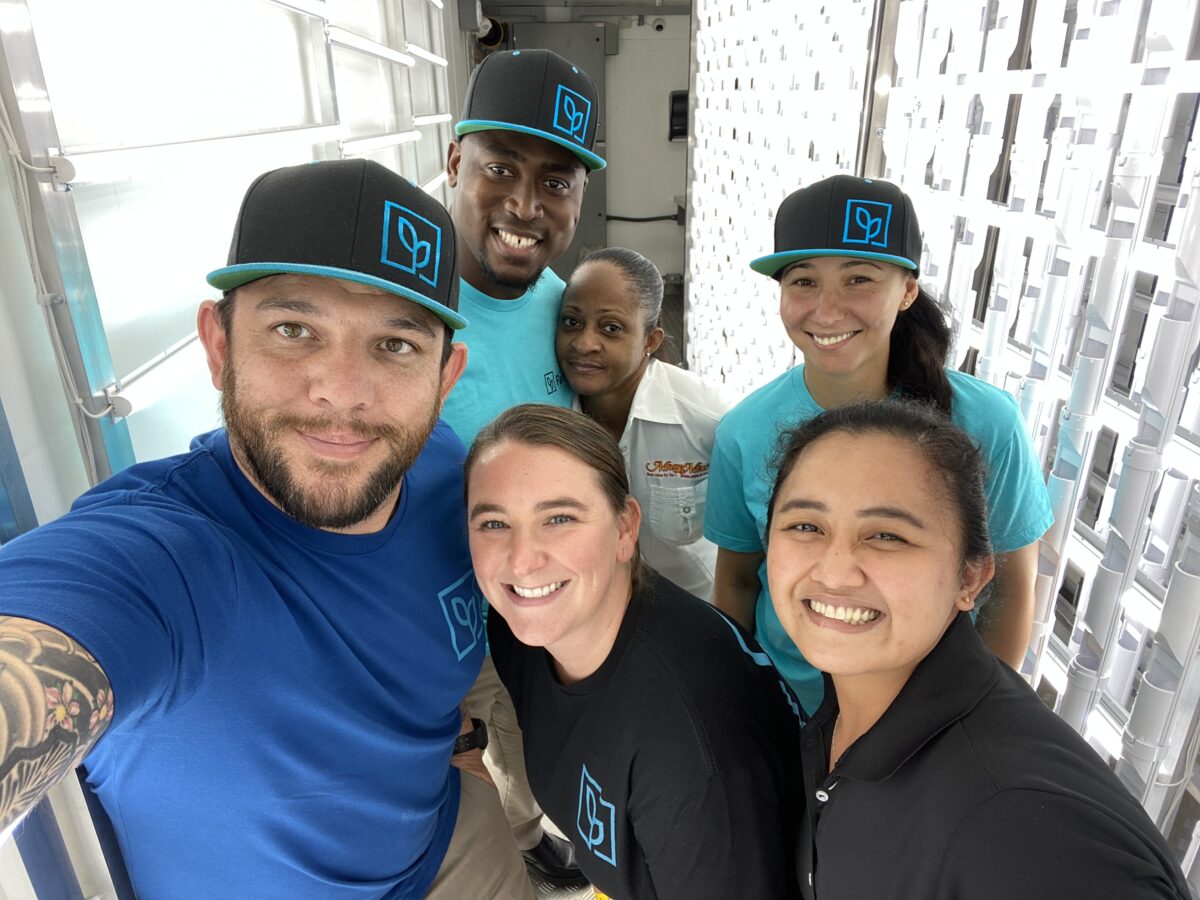
FarmBox Foods Trainers with customers in Montego Bay, Jamaica

One of the primary benefits of localized food systems is the shortened supply chain. Traditional food distribution often involves long-haul transport, multiple handling points, and significant delays from farm to plate. Local production drastically reduces this distance, improving both the freshness and nutritional value of produce. Additionally, fewer intermediaries means reduced transportation costs and waste, which can make fresh food more affordable and consistently available, especially in areas prone to supply disruptions or economic instability.

Localized agriculture also fosters greater food diversity and cultural relevance. Unlike national retailers that carry standardized offerings, local growers can tailor their crops to reflect the preferences and traditions of the surrounding community. This ensures that residents have access to foods that resonate with their heritage and culinary practices, increasing the likelihood that fresh, healthy options become part of everyday meals. It also offers opportunities for community input in crop selection, deepening the connection between people and the food they consume.

Beyond access, local food systems contribute to education and community engagement. School gardens, neighborhood farms and mobile container units serve as interactive classrooms where children and adults alike can learn about nutrition, agriculture, and sustainability. These hands-on experiences instill a deeper understanding of where food comes from and how it supports physical and environmental health. Over time, these lessons can lead to improved eating habits and a greater appreciation for healthy living, especially among younger populations.

This creates a virtuous cycle where food access and economic vitality grow hand in hand.

Perhaps most importantly, localized production enhances food security and resilience. Whether it’s an urban neighborhood affected by climate change, a rural town facing supply chain delays, or a suburban community preparing for future disruptions, decentralized food systems ensure a more stable and responsive supply of healthy food. With tools like container farming and controlled-environment agriculture, year-round access to fresh produce becomes a reality even in areas with challenging climates. In a world where food equity and sustainability are increasingly urgent, localized production stands out as a practical, scalable solution.

‘What Is Container Mushroom Farming?’ by iGrow News

iGrow News published an article in May 2025 about the FarmBox Foods Gourmet Mushroom Farm (GMF) titled ‘What Is Container Mushroom Farming?’ Below is an excerpt and a link to the full article.

Overview of the Method

Container mushroom farming is a method of cultivating mushrooms inside a retrofitted 40-foot shipping container. The entire growing process—from preparing the substrate to harvesting—is conducted within a controlled environment. These farms typically include:

  • A mixing station for combining substrates (e.g., soybean hulls and hardwood pellets)
  • Steam cabinets for pasteurization
  • A clean lab with a HEPA flow hood for inoculation with grain spawn
  • Colonization chambers for mycelium development
  • Fruiting rooms equipped with misting systems and shelving for vertical space optimization

Each stage of cultivation takes place within a clearly segmented part of the container, with the process beginning at the ribbon mixer and culminating in the fruiting room where mushrooms grow on stacked shelves. The goal is to offer a compact, self-contained production system suitable for growers with limited space.

A container growing blue oyster mushrooms can yield an average of 400 lbs. per week. The integration of sensors and automation allows for fine-tuning of growing conditions, resulting in better crop uniformity and predictability across batches.

Read the full article on iGrowNews.com


—————————


mushroom farming in shipping containers

mushroom farm shipping containers

mushroom growing shipping container

mushroom growing in shipping containers

container mushroom cultivation

shipping container mushroom grow

mushroom farming in container

mushroom farm container

container mushroom growing

mushroom growing container

shipping container mushroom farm cost

growing mushroom in container

best mushroom growing container

mushroom container

gourmet mushroom cultivation

vertical mushroom growing

mushroom container companies

CEO Rusty Walker Recognized As Small Biz Leader

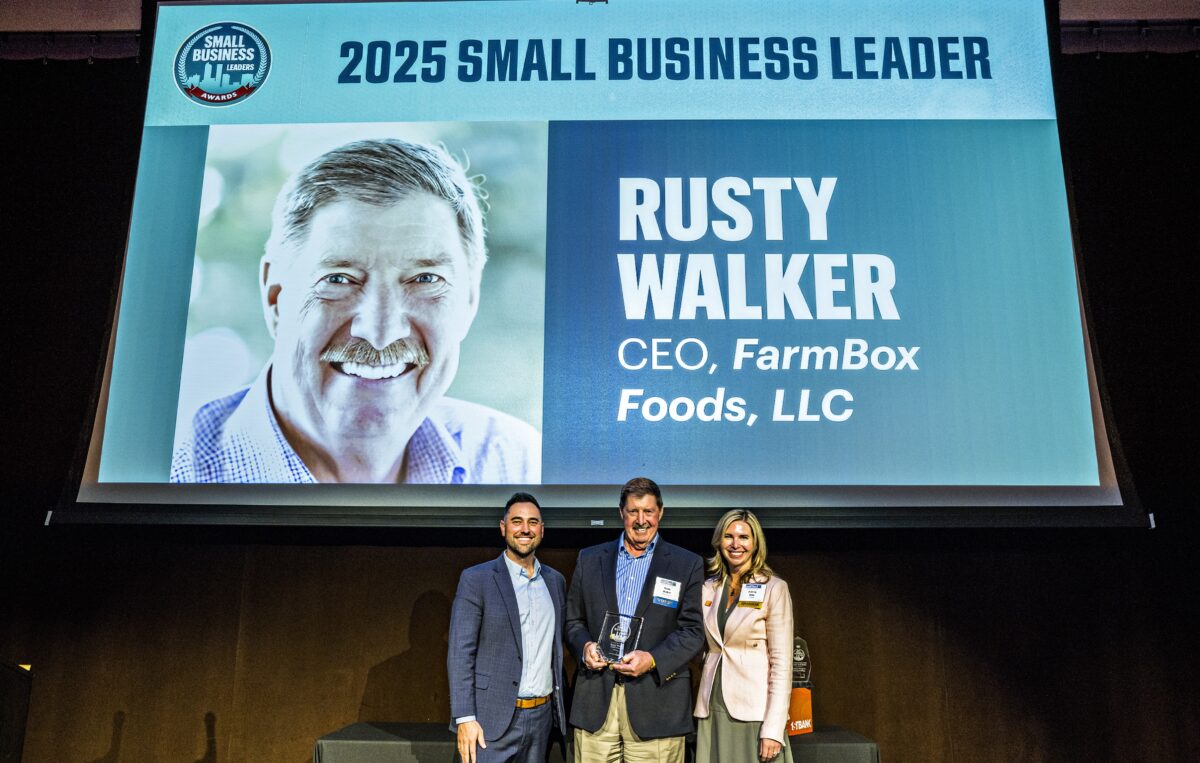
We’re happy to announce that our CEO, Rusty Walker, is among the first class of Small Business Leader Award winners from the Denver Business Journal. Nominees were judged on the impacts they have as a leader of their organization and the business community. He was honored during a ceremony in Denver on May 22 and featured in a special section of the DBJ the following day.

CEO Rusty Walker pictured on stage holding his Small Business Leader Award and standing next to Denver Business Journal Publisher Keith Dennis and Aubrey Ebbs, executive vice president of FirstBank, on May 22, 2025
FarmBox Foods CEO Rusty Walker, center, with Denver Business Journal Publisher Keith Dennis and Aubrey Ebbs, executive vice president of FirstBank, on May 22, 2025.

Anyone who knows Rusty knows that he is all about relationships, whether it’s with customers, partners, vendors, colleagues, advocates or friends. It’s those strong relationships — some of them decades old — that have served him well throughout his influential and distinguished career as CEO of FarmBox Foods and president of Absolute Logistics, among other positions. There are few (if any) more deserving of this recognition, and we collectively tip our hats to the captain of this FarmBox ship.

Statement on the Closure of Freight Farms

We recognize that the recent news about the bankruptcy filing by Freight Farms has resulted in a lot of discussion and speculation. We respectfully acknowledge the many years of hard work that their employees, stakeholders and customers put into finding a more sustainable path to produce healthy food. Freight Farms played a significant role in developing some of the first automated modular farm systems and putting the industry on the map.

Even with big changes in our sector, we firmly believe the future of our company and the controlled-environment agriculture industry is sound. FarmBox Foods has been a privately funded company since our inception in 2017, and that has allowed us to put the customer first.

We’ve spent considerable time aligning our operations with our core values: a relationship with each customer through the life of their farm, quality craftsmanship, user-friendly design, and a focus on helping feed communities. This model has proven resilient, and our commitment to supporting customers through high-quality service and solutions remains unchanged.

We’ve also followed an intentional and measured strategic growth plan that has served us well. We’ve continued to innovate and introduce new product lines, including a Gourmet Mushroom Farm that is a strong profit center for customers.

We’ve always considered Freight Farms an industry peer and we’re grateful for their contributions to advancing a technology that will continue to have positive real-world impacts for years to come.

If you are a Freight Farms customer or partner and have questions regarding potential support, partnerships or opportunities with FarmBox Foods, please direct all inquiries to the form on our website.

Using Tech to Improve Food Access, Reduce Supply Chain Impacts

There are countless ways in which today’s tech can help mitigate long-standing challenges related to food access, food waste and environmental impacts associated with our food supply chain.

Long-distance food supply chains present significant environmental considerations. Transporting food over great distances, especially by air, results in high greenhouse gas emissions, with air freight producing up to ten times more CO₂ than sea or land transport. Additionally, the intensive farming practices needed to meet global demand often strain natural resources such as land, water and energy. While the concept of “food miles” sometimes oversimplifies the environmental impact by focusing only on transportation distance, it remains clear that long-haul shipping contributes substantially to climate change. But in this day and age, innovations in food production make it possible to farm within a few miles of the consumer.

Operational vulnerabilities are another major downside of extended food supply chains. These complex networks are susceptible to disruptions caused by geopolitical conflicts, natural disasters or pandemics, which can sever supply links and lead to shortages. The reliance on lean inventory systems and limited refrigeration capacity further exacerbates these risks during crises. Moreover, the complexity of multi-tier supply chains makes traceability difficult, delaying responses to contamination or safety issues and increasing the risk to consumers.

Food quality and safety also suffer in long-distance supply chains. Extended transit times and inconsistent temperature control increase the likelihood of microbial contamination, such as Salmonella or E. coli outbreaks. Perishable goods, even when refrigerated, often experience a decline in freshness and nutritional value during prolonged transport, which can reduce consumer satisfaction and increase food waste.

Economic and social challenges arise from the dominance of large retailers in global supply chains. These powerful entities often prioritize cost reduction over sustainability, creating power imbalances that disadvantage smaller suppliers. These long supply chains also tend to obscure unethical practices, including forced labor or poor working conditions in upstream production stages. The pressure to standardize products for global markets also diminishes regional food diversity and undermines traditional artisanal food practices.

That being said, implementing sustainability measures within long-distance food supply chains presents some barriers. Smallholder farmers and lower-tier suppliers often lack the resources, knowledge or incentives to adopt eco-friendly practices such as crop rotation or composting. Infrastructure gaps and limited coordinated investment in sustainable technologies further hinder progress. These challenges highlight the difficulty of balancing the benefits of global food access with the need for resilient, ethical and environmentally responsible supply networks.

Controlled-Environment Agriculture: A Crash Course

Let’s start from the beginning.

Controlled-environment agriculture (commonly known as CEA) is a method of growing crops in an enclosed environment where climate parameters such as temperature, humidity, lighting and watering schedules, CO2 levels and nutrient delivery are precisely regulated. The goal is to create optimal growing conditions year-round, regardless of what’s happening outside.

HVAC systems regulate temperature and humidity, while LED or high-pressure sodium grow lights provide consistent light intensity and spectrum, mimicking natural sunlight. In hydroponics, plants are fed a nutrient-rich water solution and grow without soil (FarmBoxes typically utilize coco coir plugs as the substrate). In aeroponics, roots are suspended in the air and misted with nutrients, and aquaponics combines hydroponics with fish farming, using fish waste as plant fertilizer.

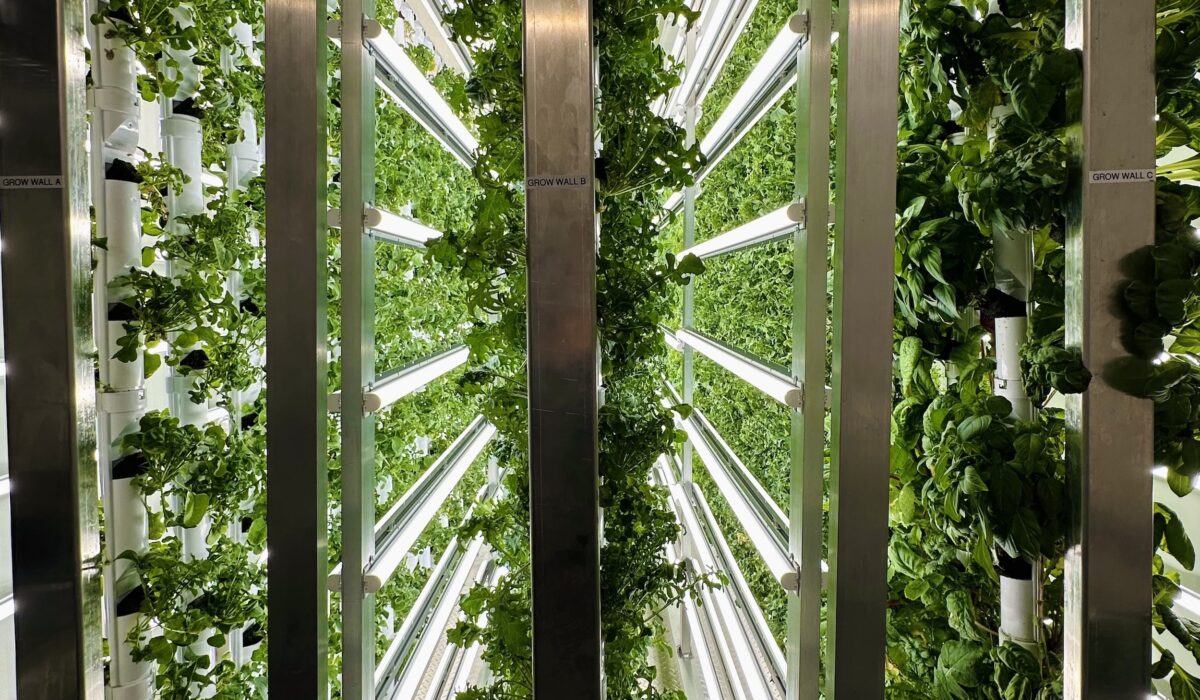
In concert with software, sensors placed in key areas within the farm monitor and adjust temperature, humidity, pH and nutrient levels in real time. Closed-loop irrigation systems reduce water usage, and energy requirements are nominal when compared with traditional outdoor growing. Of course, there will always be a need for conventional farming methods. After all, no one will be growing 8-foot-tall corn stalks (for example) en masse in an indoor environment for a variety of reasons. A view of movable grow walls in a Vertical Hydroponic Farm made by FarmBox Foods.

CEA promises year-round crop production, a critical tool for those living in locales that don’t support food production due to climate conditions, poor soil, limited growing seasons or other factors. This is done without pesticides, and operators of CEA units often see high yields and faster growth cycles while using less land area. Hyper-localized food production results in decreased transportation emissions, helps the harvested goods retain their shelf life and full nutrient density, reduces supply chain vulnerabilities, and protects against common diseases that can wipe out an entire season’s worth of crops in short order.

Emerging trends in CEA include increasing use artificial intelligence to optimize yields, detect plant diseases and predict ideal harvest times. Meanwhile, more CEA farms are integrating renewable energy sources to lower costs and carbon footprints.

It’s worth noting that controlled-environment ag goes beyond just plants. Amateur mycologists have spawned businesses that focus on commercial-scale production of fungi, including the sought-after varieties such as lion’s mane, oysters, chestnuts, enoki and king trumpets.

These farms that allow for sustainable food production are being used in a multitude of industries, including education, grocery, food service, nonprofit, residential, workforce development and hospitality, and are bolstering food system resiliency for islands and people living in remote areas.

Indoor farms are not the entire solution for feeding our growing global population, but they’ll be a critical cog in the machine as we navigate an unpredictable food-production future.


— —   —  — — —


Greenhouse alternatives, functional mushroom growing, mushroom tincture, vegetable farming unit, mushroom growing system, mushroom grow box, organic food production, stranded oil and gas asset usage, uses for flare gas, Conex growing container, zoo food production, grow your own feed, barley for grassfed beef, Wagyu cattle feed, how to spend esser funds, grow your own feed, cattle feed production, barley grass chicken feed, growing livestock fodder, barley grass production, off-grid farming, tree propagation, how to grow tree seedlings, DIY mushrooms, starting a farm, how to start hydroponic growing, how to start growing mushrooms, container startup business, solutions to food deserts, island agriculture practices, sustainable food production on islands, small-scale farming in island communities, resilient food systems for islands, island permaculture initiatives, hydroponics in island farming, local food sourcing on islands, sustainable urban agriculture, vertical farming techniques, small space farming ideas, urban homesteading practices, indoor farming innovations, container gardening in a city, hydroponic systems for urban farms, sustainable agriculture, water-efficient farming, eco-friendly farm, sustainable food production, organic farming for sustainability, shipping container farm, mushroom farm, mushroom farming, mushroom cultivation, , growing mushrooms for profit, and climate-smart agricultural practices

Ops Support Manager Named One of Colorado’s Leaders in Ag

Nick Brooks, operations support manager for FarmBox Foods, was named by the Denver Business Journal as one of the 20 leaders in agriculture for the whole state of Colorado. He was honored at a ceremony on March 20 at CSU-Spur.

Nick joined us as an intern in mid-2022 while he was still studying agricultural business at Colorado State University. He’s become a valuable part of our team, running farms on our campus in Sedalia, Colo., and training customers on how to grow successfully in our FarmBoxes. Congratulations, Nick! This is a well-deserved recognition!

We also want to mention that another member of FarmBox Foods’ extended family, Don Richards, was announced as one of the honorees this year, too. Don is one of the nicest people you’ll ever meet and, as an active member of the local farm bureau, he advocates for farms and farmers of all types. We’re immensely grateful to have his unwavering support. Congratulations, Don!