The Most Underrated Use of Container Farms? Crisis Readiness

Crisis readiness is one of those things most organizations agree is important while quietly kicking the conversation down the road. It lives in binders, in policies, in “just in case” conversations that rarely turn into action.

But over the past few years, that mindset has started to shift. Supply chains have proven fragile. Access to basic resources has been disrupted. And the idea that food (especially fresh food) will always be available when you need it no longer feels guaranteed.
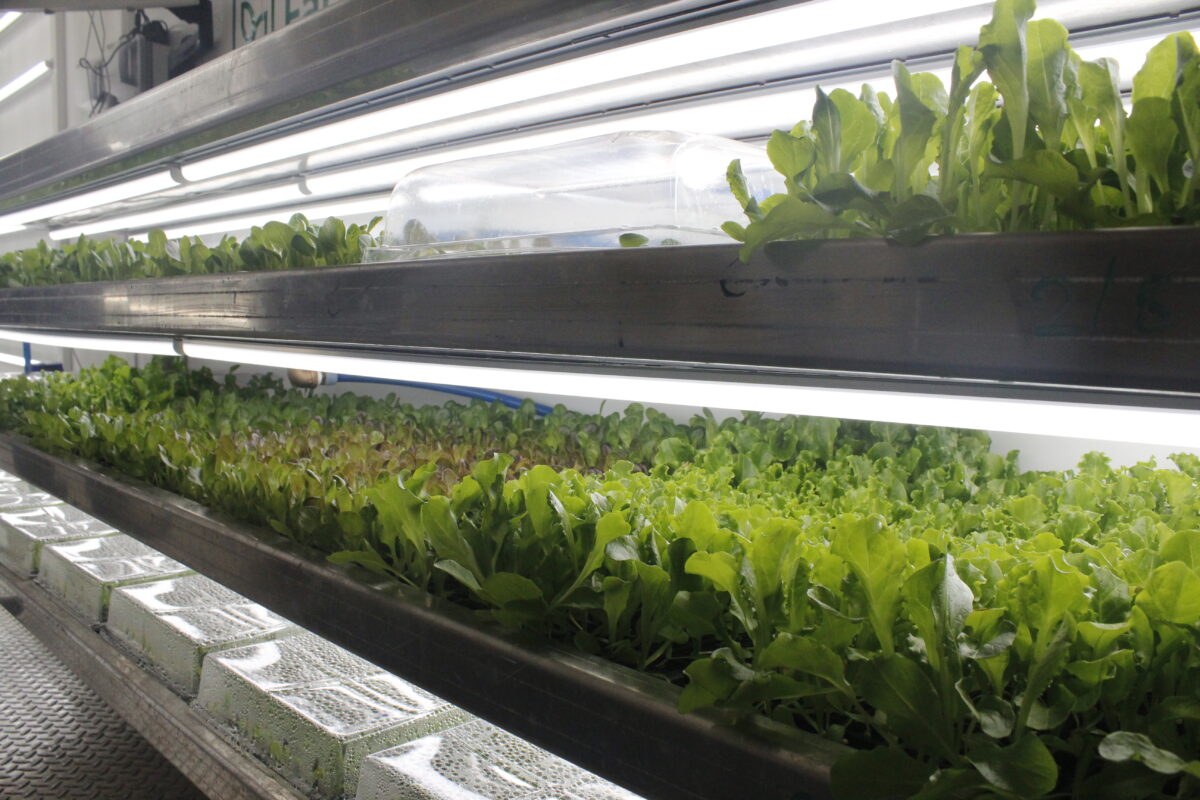
A three-tiered seedling table in a Vertical Hydroponic Farm.

That is where container farming enters the conversation in a way most people have not fully considered. For years, container farms have been framed around sustainability. Less water. Fewer food miles. Year-round production. All of that still matters. But there is a deeper and more urgent value emerging. Container farms are not just tools for growing food. They are tools for ensuring food access when systems around us begin to fail.

Think about how organizations prepare for emergencies. Contingency plans. Hospitals have backup generators. Data centers have redundancy built into every layer. Buildings have fire suppression systems that may never be used but are always at the ready. These systems exist for one reason. The cost of not having them is too high.

Now apply that same thinking to food.

In a crisis, whether it’s a natural disaster, a supply chain breakdown or a prolonged disruption like a pandemic, food becomes one of the first pressure points. Shelves empty quickly. Deliveries slow down or stop. Quality drops. Prices rise. And for organizations responsible for feeding people, that pressure compounds fast. A turnkey container farm changes the equation in a big way.

Instead of relying entirely on outside systems, you create a controlled, predictable source of fresh food that exists within your own footprint. It does not replace traditional supply chains, but it strengthens them. It gives you a layer of independence that most organizations simply do not have.

What makes this especially powerful is that container farms do not sit idle. This is not a piece of equipment that waits for disaster to justify its existence. It produces value every day. Fresh greens for a hospital. Consistent produce for a resort. Nutrient-dense feed for zoo animals. Educational opportunities for students. Revenue streams through direct sales or tours.

Then if and when a crisis hits, its role shifts instantly. It becomes a stabilizer. It becomes a source of reassurance and certainty in an uncertain environment. It becomes something you are grateful you invested in before you needed it. Much like underground shelters preserve life in emergencies, robust food production systems sustain that life.

There is also a human element that often gets overlooked. In high-stress environments, access to fresh food and living plants has a real psychological impact. It provides a sense of normalcy. It creates routine. It reminds people that growth is still happening even when the outside world feels unstable.

That matters more than most people realize.

The organizations that will lead in the years ahead are not just the ones that operate efficiently when everything is working. They are the ones that continue operating when things are not. They are the ones that think beyond cost and start thinking in terms of resilience.

Container farming fits directly into that shift.

It’s not about fear. It is about preparation. It is about recognizing that the world is changing and choosing to be ready instead of reactive.

Because just like a sprinkler system, you do not invest in it because you expect something to go wrong.

You invest in it because you cannot afford it if it does.
Sustainable Food Production Isn’t Just Possible, It’s Inevitable

The idea of adopting sustainable practices in food production to address critical environmental, social and economic challenges has until recently been seen as a pipe dream, an impenetrable barrier to progress.

There’s concern about costs and whether implementation would be widespread enough to result in noticeable change. But as tech has advanced and prices have slowly come down, this is something that’s within our grasp and something we should expect to see in our lifetimes.

Sustainable food production minimizes environmental degradation by promoting practices that conserve soil fertility, reduce water usage, and mitigate the use of harmful pesticides and fertilizers. Prioritizing ecological balance helps safeguard biodiversity, maintain ecosystems and combat climate change. This is crucial for ensuring the long-term viability of our planet and securing the availability of natural resources for future generations. We don’t want to be remembered as the generation that had the opportunity to do something, but squandered it.

Sustainable food production has significant social implications. It fosters equitable distribution of resources, promotes fair labor practices and supports local communities. Sustainable agriculture often involves small-scale, community-based farming that empowers local producers and reduces dependence on large-scale, industrialized farming systems. This not only strengthens local economies but also enhances food security by diversifying sources and reducing vulnerability to external shocks, such as the supply chain disruptions that crippled our food systems during the COVID-19 pandemic.

Adopting sustainable practices in food production is essential for addressing global food security challenges. As the world’s population continues to grow, ensuring a stable and sufficient food supply is going to become more difficult. Sustainable agriculture emphasizes efficiency and resilience, optimizing yields while minimizing negative impacts on the environment. By embracing methods such as agroecology, organic farming, and precision agriculture, we can create a more robust and resilient food system capable of meeting the nutritional needs of a growing population without compromising the health of the planet. Again, this is achievable with a little bit of political will and a whole lot of education.

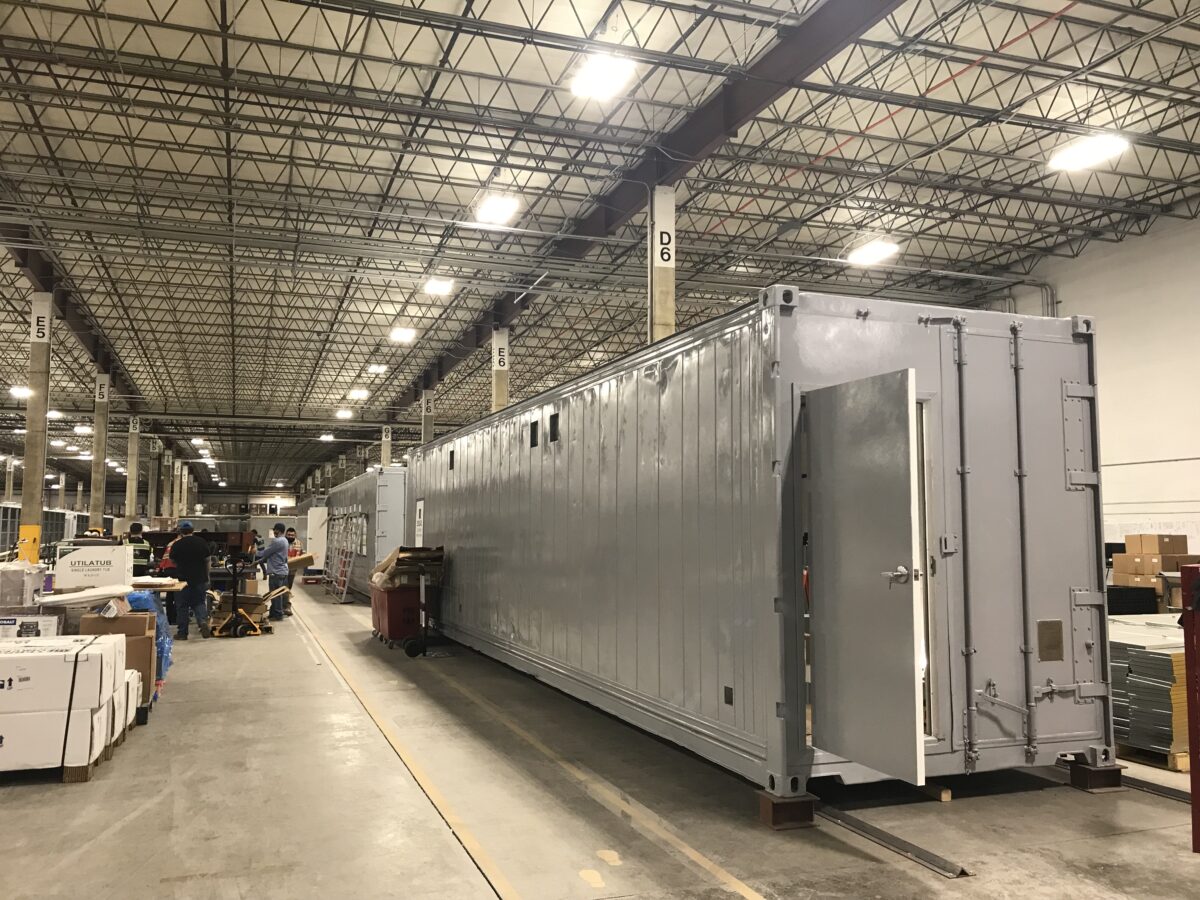
Sustainable food production is also economically prudent. While initial investments may be required to transition to sustainable practices, the long-term benefits far outweigh the costs. Sustainable agriculture, like farming in controlled-climate shipping containers, reduces reliance on expensive inputs, maintains soil health for traditional growing, and promotes resource efficiency, leading to increased productivity and decreased production costs over time.

It opens up new market opportunities as consumers increasingly prioritize sustainably produced goods, creating a positive feedback loop that encourages businesses to adopt environmentally and socially responsible practices. It’s already happening in the U.S. People have shown a willingness to incorporate changes into their own lives, and they’re more cognizant about where their food comes from. Taking a holistic approach isn’t some esoteric, “hippie-dippie” idea anymore. Creating an equitable future for both people and the planet, while expanding access to nutritionally dense foods, isn’t just achievable, it’s imperative.