Why Localized Food Production Matters

Local food production, or “localized agriculture,” offers a range of benefits that can have positive impacts on individuals, communities, and the environment. gourmet mushrooms
Freshness and Flavor Matter!

When food is grown nearby, like in a shipping container farm, it can be harvested at its peak ripeness and delivered to consumers more quickly, which results in fresher and more flavorful produce compared to items that have traveled long distances.

Nutritional Value

Fresher produce typically retains more of its nutritional value because it spends less time in transit and storage.

Reduced Food Miles

Growing food locally reduces the distance it needs to travel from farm to plate. This reduces the carbon footprint associated with transportation, helping to mitigate climate change.

Support for the Local Economy

Local agriculture supports local farmers, creating jobs and contributing to the economic vitality of the community. It keeps money circulating within the local economy, which can have a multiplier effect.

Community Engagement

Growing food near the consumer often fosters a sense of community. Customers can connect with the farmers who grow their food, fostering relationships and trust.

Food Security

Hyperlocal food systems can enhance food security by reducing reliance on distant sources of food. In times of disruption, such as natural disasters or supply chain issues, local food production can ensure a more stable food supply.

Preservation of Open Space

Supporting local agriculture can help protect open spaces and agricultural lands from development, preserving the rural character of communities.

Customization and Diversity

Local farmers may be more responsive to consumer preferences, allowing for a greater variety of crops and specialty products. This can lead to a diverse and unique food offering, in addition to food that’s culturally relevant to the community as a whole.

Reduced Food Waste

Because local food doesn’t have to travel long distances, it is less likely to spoil in transit. This can help reduce food waste, which is a significant issue in many parts of the world. Around one-third of food grown in the U.S. goes to waste.

Cultural and Culinary Connections

Local food systems often celebrate regional culinary traditions and cultural diversity. Consumers can enjoy foods that are unique to their area and learn about local food traditions.

Seasonal Eating

Eating locally encourages seasonal eating, as consumers rely on what is currently in season in their region, which promotes a healthier and more diverse diet.

Health Benefits

Fresher produce can be more nutritious and may encourage people to consume more fruits and vegetables, leading to improved health outcomes.

Transparency and Accountability

With shorter supply chains, it’s often easier for consumers to trace the origin of their food and ensure it meets certain quality and safety standards.

While there are numerous benefits to growing food close to the consumer, it’s important to recognize that not all types of food can be grown locally in all regions due to climate and other factors. Therefore, a balanced approach that combines local production with responsible global sourcing may be necessary to meet all food needs sustainably. We will always need traditional farming to grow staple crops like corn and wheat!
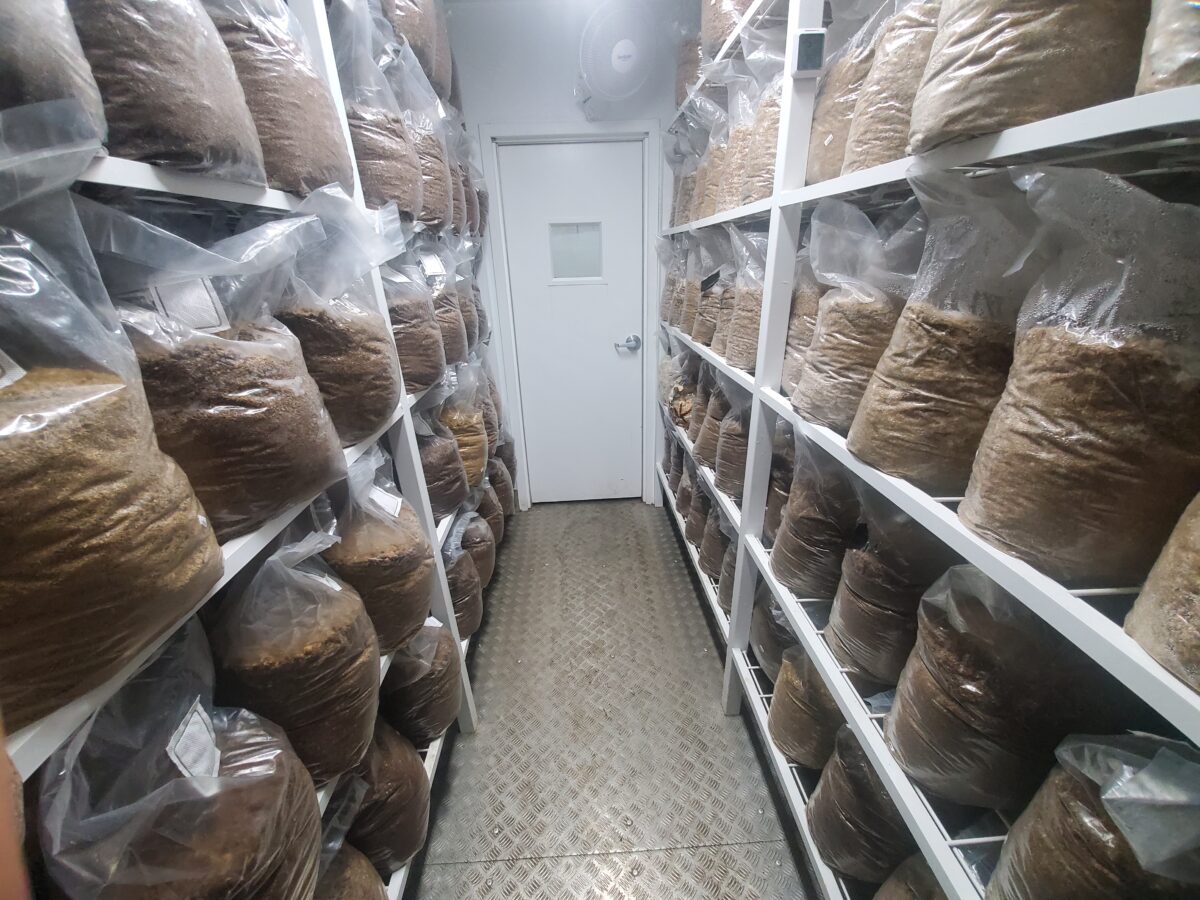
Remediate Soil with Mycelium-Rich Substrate

Soil remediation is a critical environmental practice aimed at restoring or improving the quality of soil that has been contaminated or degraded by various pollutants, such as heavy metals, pesticides, petroleum products and industrial chemicals. The importance of soil remediation cannot be overstated due to its numerous ecological, agricultural, and human health benefits. Mycelium substrates, specifically mycoremediation, have emerged as a promising and sustainable approach to assist in soil remediation.

Here are some key points on the importance of soil remediation and how mycelium substrates can help:

  1. Environmental Protection: Contaminated soil can have severe adverse effects on the environment. It can lead to soil erosion, groundwater pollution, and harm to local ecosystems. Soil remediation helps mitigate these negative impacts, contributing to overall environmental protection and conservation efforts.
  2. Agricultural Productivity: Healthy soil is essential for agriculture, as it provides the necessary nutrients and support for plant growth. Soil contamination can lead to reduced crop yields and food safety concerns. Remediated soil can restore fertile ground for farming, ensuring food security and quality.
  3. Human Health: Contaminated soil can pose serious health risks to humans, especially if the contaminants leach into the water supply or are taken up by plants in the food chain. Soil remediation helps safeguard public health by reducing exposure to harmful substances.
  4. Biodiversity: Many soil-dwelling organisms, including microorganisms, insects, and plants, depend on a healthy soil environment. Soil remediation efforts aim to protect and restore these ecosystems, supporting biodiversity and ecological balance.
  5. Land Reclamation: Remediated soil can be repurposed for various land uses, including residential, commercial, and recreational purposes. This repurposing of land can revitalize urban areas and promote sustainable development.

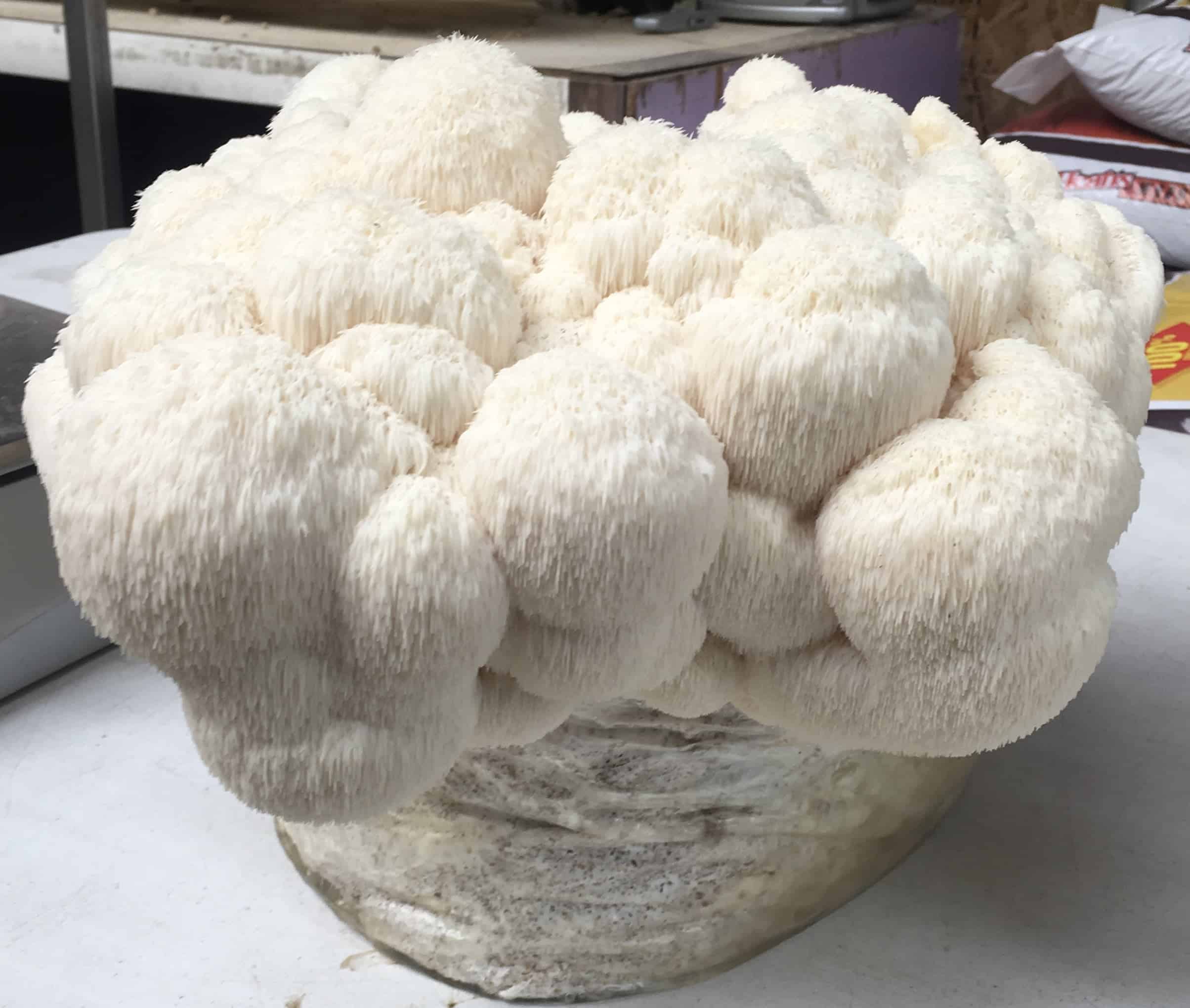
Now, let’s explore how mycelium substrates plays a role in soil remediation, which FarmBox Foods customer BLH Farm has been doing since acquiring a Gourmet Mushroom Farm:

Mycoremediation: Mycoremediation is a bioremediation technique that employs fungal mycelium, the thread-like vegetative part of fungi, to break down or absorb contaminants in the soil. Mycelium has several properties that make it effective in soil remediation:

  • Biodegradation: Mycelium can secrete enzymes that break down complex organic molecules, making them more easily metabolized by other microorganisms and reducing the toxicity of contaminants.
  • Metal Accumulation: Some species of fungi have the ability to accumulate heavy metals in their mycelium. This can help to immobilize or concentrate metals, preventing them from leaching into groundwater or affecting plant growth.
  • Soil Structure Improvement: Mycelium can also improve soil structure by binding soil particles together, increasing soil porosity, and enhancing water retention.
  • Carbon Sequestration: As fungi grow and decompose organic matter, they contribute to carbon sequestration, which can help mitigate climate change.
  • Low Environmental Impact: Mycoremediation is often considered an environmentally friendly approach because it typically requires minimal external inputs and doesn’t produce harmful byproducts.

While mycelium substrates offer promising solutions for soil remediation, it’s essential to note that their effectiveness depends on various factors, including the type and extent of contamination, the specific fungi species used, and environmental conditions. That being said, mycoremediation is often used in combination with other remediation techniques to achieve optimal results. Additionally, research and development in this field continue to expand our understanding of how fungi can be harnessed for sustainable soil remediation practices.

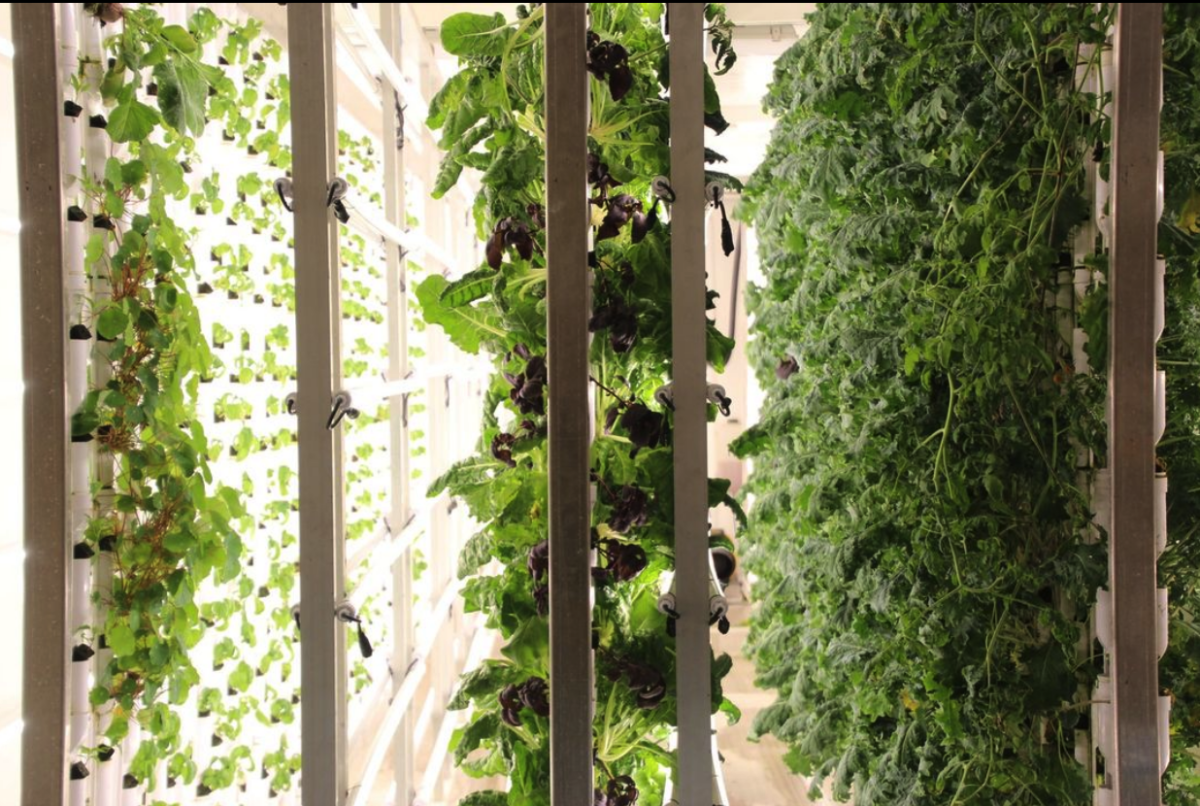
What Types of Plants Grow in a Vertical Hydroponic Farm?

We dedicated more than two years to research and development, figuring out what will and will not grow in our containerized Vertical Hydroponic Farm.

The following list is not meant to be all-encompassing, but rather provide a snapshot of the types of crops that we and our customers have focused on, like yellow onions, collard greens, kale, a range of different micro greens, bok choy, red leaf beet and watercress. Of course, we’re always experimenting and adding to the list.

Vertical hydroponic farm

Peppers

    • Jalapeno- Jefe, Jalafuego
    • Habanero- Helios, Paper Lantern
    • Serrano- Altiplano
    • Sweet Pepper- Lunch Box
    • Cayenne- Red Flame
    • Ghost peppers

Tomatoes

    • Slicer- Mountain Fresh
    • Grape- Verona
    • Cherry- Sakura

Lettuces

    • Romaine
    • Muir
    • Rex
    • Magenta
    • Rouxai
    • Red Butterhead
    • Green Butterhead
    • Green Star
    • Ezflor
    • Grazion
    • Red Oak
    • Tropicana
    • Frisee

Herbs

    • Cilantro
    • Parsley
    • Chives
    • Oregano
    • Prospera Basil
    • Genovese Basil
    • Purple Basil
    • Spicy Bush Basil
    • Dill
    • Lavender
    • Purslane
    • Mint

Greens

    • Rainbow Chard
    • Collard Greens
    • Red Vein Sorrel
    • Arugula
    • Dandelion
    • Golden Frills
    • Kale
    • Tatsoi
    • Red Kingdom
    • Spinach- Lizard, Space

Flowers

    • Viola
    • Marigold
    • Nasturtium

Cucumbers

    • Pickler- Excelsior

Beans

    • Bush Beans

Starters

    • Pumpkin- Jack O’Lantern
    • Sunflower- Giant, Skyscraper, Mixed Colors
    • Marigold- Crackerjack, French Double Dwarf