
Food System Resiliency in a Box, No Matter Where You Live

For centuries, the ability to grow food has been bound by geography. Fertile soil, predictable weather and access to water determined who could farm and who could not. But a new era in agricultural technology is set to dismantle those boundaries, giving people everywhere the power to grow their own food, regardless of climate, location or experience. From the frozen outskirts of Alaska to the heart of desert cities, innovations in controlled-environment agriculture (CEA) are reshaping what it means to be self-sufficient.

At the core of this movement are systems designed to make farming as accessible as it is sustainable. Container farms, vertical gardens and modular hydroponic units are transforming empty lots, parking garages and even rooftops into thriving centers of food production. These systems use precise sensors and automation to control every variable — from temperature and humidity to light spectrum and nutrient delivery — creating optimal growing conditions 365 days a year. The result is reliable, pesticide-free food that can be harvested within walking distance of the people who will eat it.
For families and communities once disconnected from the source of their food, this technology offers more than convenience; it restores agency. No longer dependent on global supply chains or industrial farms, people can now produce mushrooms, fresh greens, herbs and even some fruits with minimal land and water use. It’s a form of empowerment that reaches beyond nourishment; it reconnects humans with nature in a way that fits our modern, urbanized lives. A shipping container on the edge of town can now provide thousands of pounds of produce annually, feeding schools, hospitals and neighborhoods that historically have faced food insecurity.

Emerging ag tech is also bridging cultural and economic divides. In developing regions where arable land is scarce or drought is common, compact, solar-powered systems allow for year-round harvests. In major cities, startups are pairing automation with education, helping residents learn the science of growing and inspiring a new generation of urban farmers. Every innovation, from AI-driven irrigation systems to seed-to-harvest data analytics, is refining the process and making local food production more efficient and attainable than ever before.

As climate shifts challenge traditional agriculture, these technologies are proving to be more than a novelty; they’re a blueprint for resilience. They reduce water consumption by up to 95 percent, eliminate the need for chemical pesticides and drastically reduce food miles, cutting emissions tied to transport and storage. More importantly, they shift the narrative from dependence to participation. Food is no longer something that happens on distant farmland; it’s something that can thrive anywhere people choose.

The democratization of food production marks a turning point in human history. Agriculture began as a means of survival and evolved into an industry. Now, with emerging ag tech, it’s coming full circle, returning to individuals and communities who can once again grow what sustains them. It’s a movement defined not by scale, but by access, creativity and connection. And as the technology continues to advance, it carries with it a simple but transformative promise: no matter where you live, you can cultivate your own future.
The Many Benefits of Modular Farming

In recent years, interest in container farming has grown rapidly as communities, entrepreneurs and institutions look for ways to build a more sustainable and resilient food system. Using insulated shipping containers that are retrofitted for agriculture, these farms are transforming the way food is produced and distributed. Whether referred to as farm containers, a farm in a container or a container vertical farm, this model of food production is redefining what it means to grow fresh, local food.

What Is Container Farming?

At its core, container farming is the practice of growing crops inside repurposed shipping containers that are equipped with advanced climate control and growing systems. These farms often use hydroponics in a shipping container, allowing plants to grow in nutrient-rich water rather than soil. The result is a tightly controlled environment that minimizes resource use while maximizing yield.

A container farm can be installed almost anywhere, from urban parking lots and rural communities to universities, hospitals and corporate campuses. With modular systems, such as a vertical farm container, operators can expand their production capacity as needed. This flexibility is one of the main reasons why container farming companies are gaining attention worldwide.

Key Advantages of Container Farming

Year-Round Food Production

One of the greatest advantages of a shipping container farm is its ability to produce crops consistently throughout the year. Traditional farming is often disrupted by weather, pests or drought, but a shipping container vertical farm uses controlled lighting, humidity and temperature to ensure steady growth.

Resource Efficiency

Container farming is designed for efficiency. With hydroponic farming containers, plants use up to 95% less water compared to traditional agriculture. Vertical designs and hydroponic grow containers maximize space while conserving nutrients and energy. Many farms even integrate renewable energy solutions, such as solar-powered or insulated farm containers, to reduce operating costs and environmental impact.

Food Security and Local Access

By producing food close to the point of consumption, container farms reduce the distance food travels. A farm-in-a-box shipping container can serve schools, grocery stores and restaurants within the same community. This reduces transportation emissions, shortens supply chains and strengthens food security. For institutions or nonprofits, container farms provide a reliable way to grow fresh produce in underserved areas.

Scalability and Commercial Opportunities

For entrepreneurs, container farms represent a clear business opportunity. Companies can start small with a single container hydroponic farm and expand into multiple container farms for sale as demand grows. Specialty products, such as herbs or microgreens, thrive in hydroponic shipping container farms, making it possible to supply local markets with premium goods.

Specialty Crop Cultivation: Gourmet Mushrooms

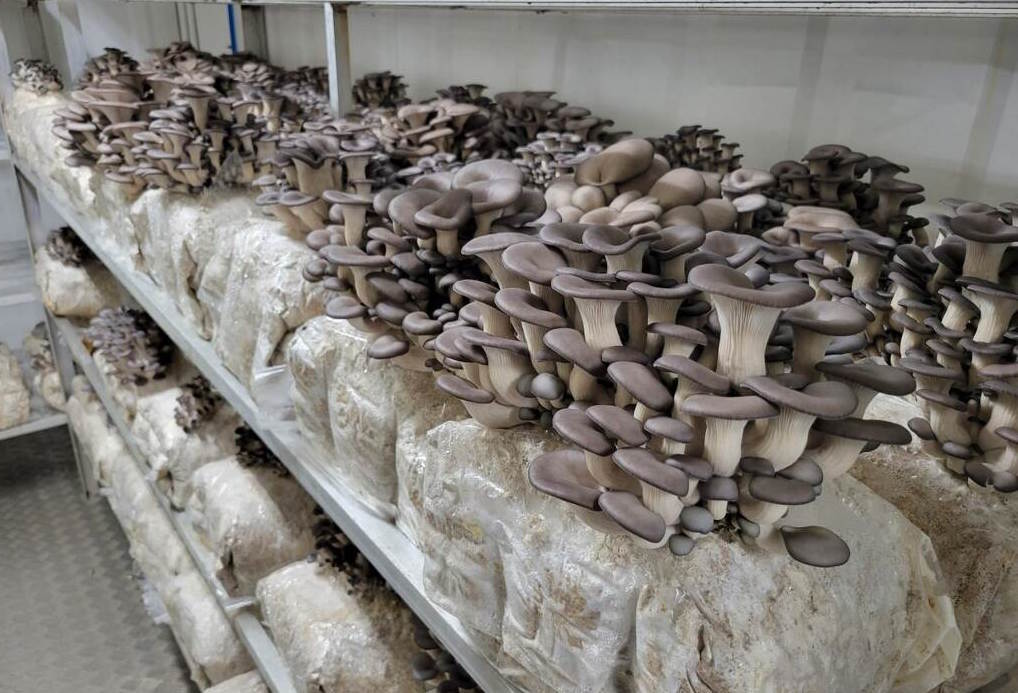
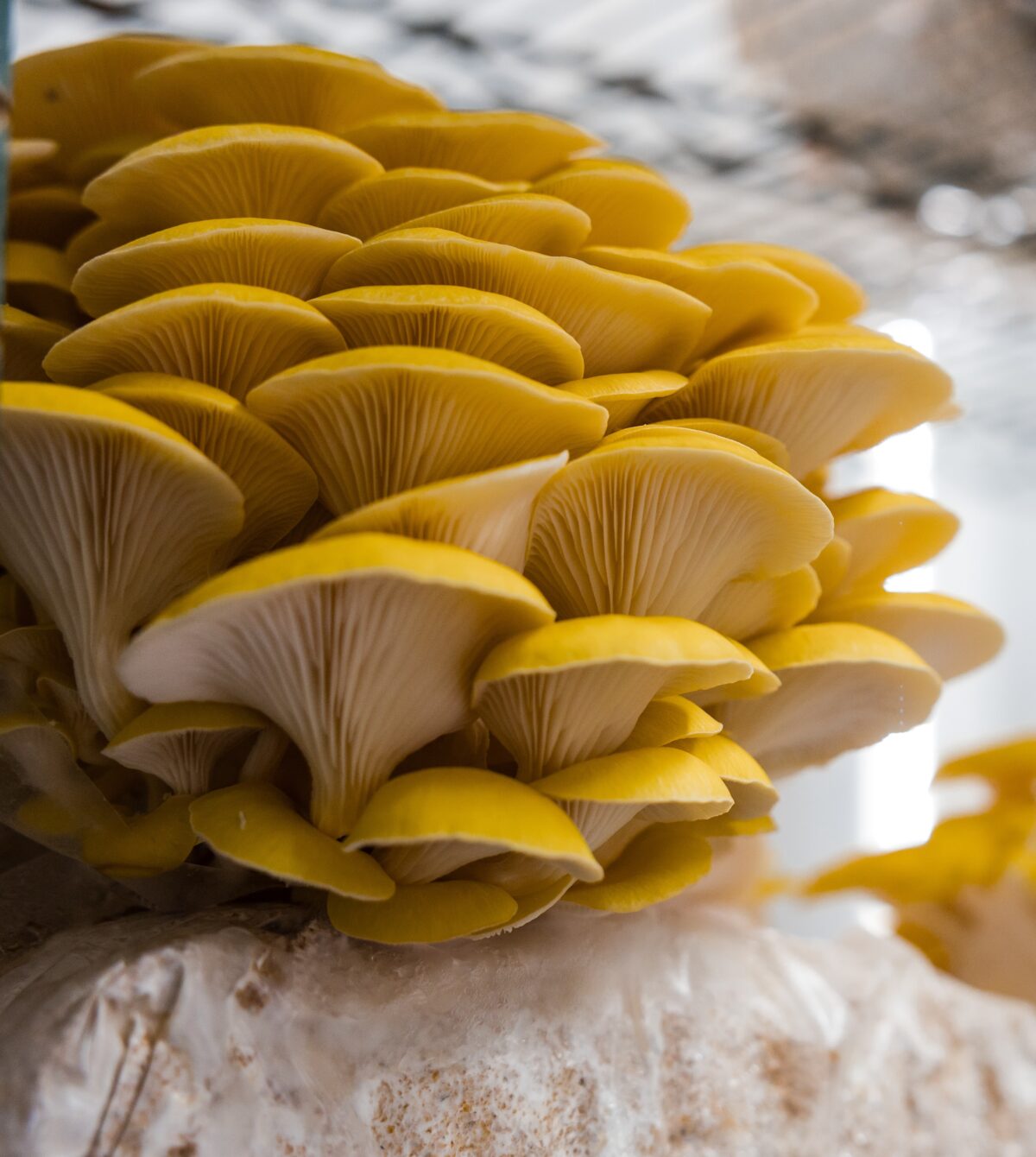
Beyond leafy greens and herbs, container systems are ideal for specialty crops like mushrooms. A mushroom container farm provides the perfect humidity and temperature for varieties such as oyster and lion’s mane mushrooms. Businesses interested in gourmet mushroom cultivation are finding that a mushroom shipping container offers predictable, scalable yields. Restaurants, grocers and local markets are increasingly sourcing from growing mushrooms in shipping containers because of their consistent quality and freshness.

Resilient, Climate-Smart Farming

Extreme weather and climate change have put a strain on traditional agriculture, but container agriculture offers resilience. Because they are protected and controlled environments, container farms are insulated from droughts, hail, floods or unexpected frosts. This makes them a dependable food source in regions facing environmental instability.

Applications Across Industries

Urban Farming: A shipping container grow pod can turn unused lots into food production sites.

Education: Schools and universities are using vertical farming in shipping containers to teach students about sustainability, technology and nutrition.

Hospitality: Hotels, resorts and restaurants benefit from having fresh herbs and greens grown on-site in a container vertical farm.

Animal Feed: A fodder farm or hydroponic farms for animal feed inside containers ensures reliable, nutrient-rich food for livestock.

Technology Driving the Movement

The success of container farming is powered by innovations in vertical hydroponics, LED lighting and automated monitoring systems. Advanced sensors track nutrient levels, while sensor-based climate control monitors and adjusts to keep plants thriving. This combination of container farming technology and renewable energy integration helps reduce labor and overhead while producing more food in less space.

The Economic Case for Container Farms

While many first hear about the environmental benefits of container farming, the economic advantages are equally important. A shipping container farm for sale can generate steady revenue for farmers, small businesses and nonprofits alike. Mushroom farms, in particular, are very profitable, with 70-percent profit margins common when selling a mix of wholesale and retail. By supplying local communities directly, operators cut out costly middlemen (and women) while keeping margins healthy. Additionally, with financing programs available to fund a container farm, the initial investment is more accessible than ever, especially when lease-to-own options are available.

Looking Ahead: The Future of Food Production

As demand for fresh, locally grown food continues to rise, container farming will play an even bigger role in shaping the agricultural landscape. Container hydroponics farms, mushroom production systems and modular vertical farms offer scalable solutions to global food insecurity. They provide a sustainable alternative that doesn’t just supplement traditional farming but enhances it, making food systems more resilient, efficient and adaptable.

Communities everywhere are beginning to embrace the concept of a farm in container agriculture model, not only because it addresses immediate needs like food security and water conservation, but also because it represents a long-term shift toward sustainable living.