
Food System Resiliency in a Box, No Matter Where You Live

For centuries, the ability to grow food has been bound by geography. Fertile soil, predictable weather and access to water determined who could farm and who could not. But a new era in agricultural technology is set to dismantle those boundaries, giving people everywhere the power to grow their own food, regardless of climate, location or experience. From the frozen outskirts of Alaska to the heart of desert cities, innovations in controlled-environment agriculture (CEA) are reshaping what it means to be self-sufficient.

At the core of this movement are systems designed to make farming as accessible as it is sustainable. Container farms, vertical gardens and modular hydroponic units are transforming empty lots, parking garages and even rooftops into thriving centers of food production. These systems use precise sensors and automation to control every variable — from temperature and humidity to light spectrum and nutrient delivery — creating optimal growing conditions 365 days a year. The result is reliable, pesticide-free food that can be harvested within walking distance of the people who will eat it.
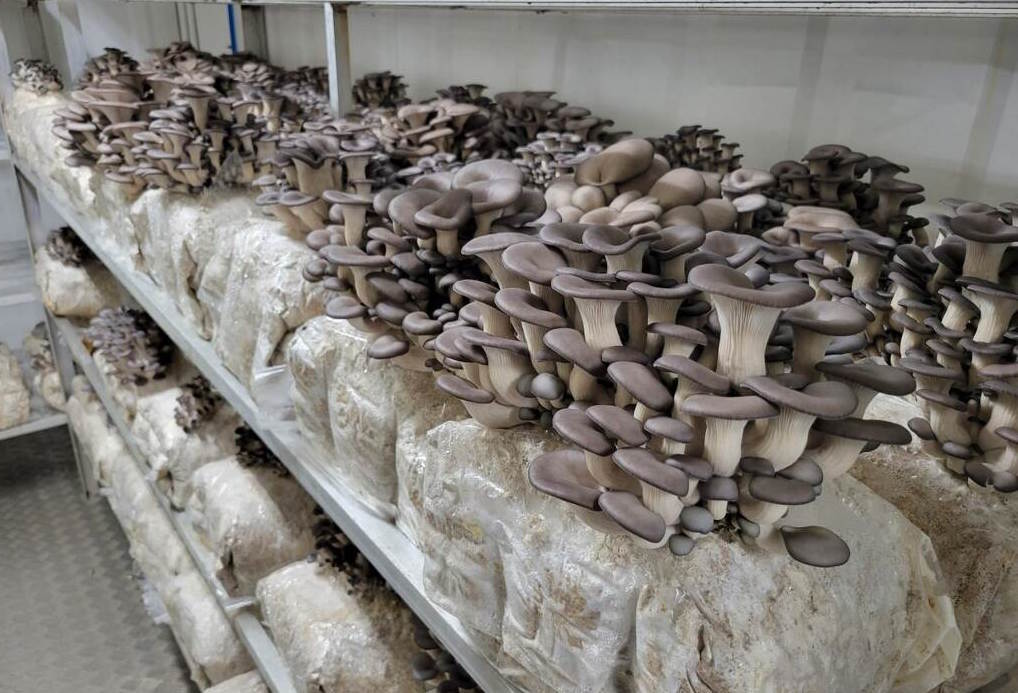
For families and communities once disconnected from the source of their food, this technology offers more than convenience; it restores agency. No longer dependent on global supply chains or industrial farms, people can now produce mushrooms, fresh greens, herbs and even some fruits with minimal land and water use. It’s a form of empowerment that reaches beyond nourishment; it reconnects humans with nature in a way that fits our modern, urbanized lives. A shipping container on the edge of town can now provide thousands of pounds of produce annually, feeding schools, hospitals and neighborhoods that historically have faced food insecurity.

Emerging ag tech is also bridging cultural and economic divides. In developing regions where arable land is scarce or drought is common, compact, solar-powered systems allow for year-round harvests. In major cities, startups are pairing automation with education, helping residents learn the science of growing and inspiring a new generation of urban farmers. Every innovation, from AI-driven irrigation systems to seed-to-harvest data analytics, is refining the process and making local food production more efficient and attainable than ever before.

As climate shifts challenge traditional agriculture, these technologies are proving to be more than a novelty; they’re a blueprint for resilience. They reduce water consumption by up to 95 percent, eliminate the need for chemical pesticides and drastically reduce food miles, cutting emissions tied to transport and storage. More importantly, they shift the narrative from dependence to participation. Food is no longer something that happens on distant farmland; it’s something that can thrive anywhere people choose.

The democratization of food production marks a turning point in human history. Agriculture began as a means of survival and evolved into an industry. Now, with emerging ag tech, it’s coming full circle, returning to individuals and communities who can once again grow what sustains them. It’s a movement defined not by scale, but by access, creativity and connection. And as the technology continues to advance, it carries with it a simple but transformative promise: no matter where you live, you can cultivate your own future.

Why Localized Food Production Matters

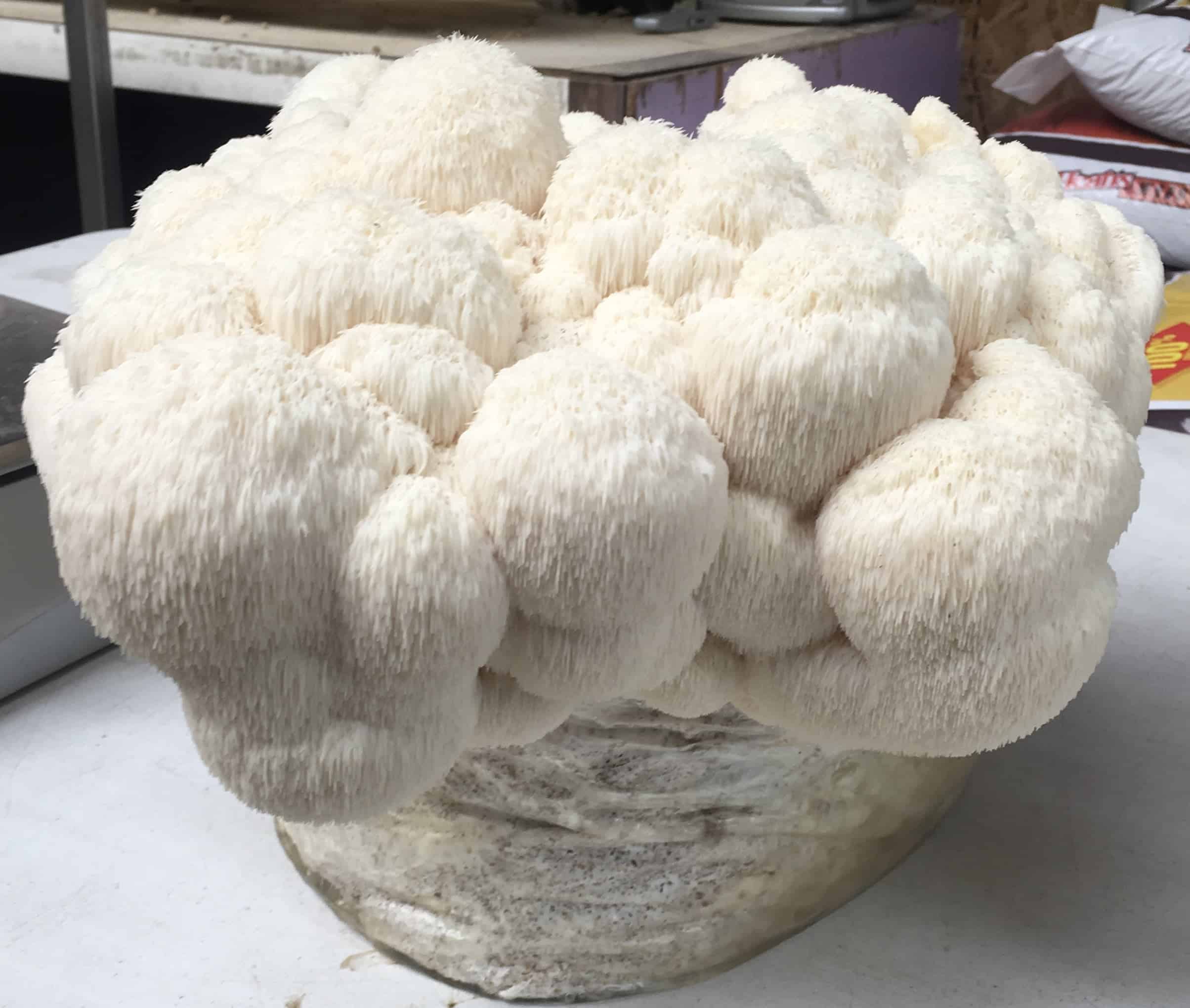
Local food production, or “localized agriculture,” offers a range of benefits that can have positive impacts on individuals, communities, and the environment. gourmet mushrooms

Freshness and Flavor Matter!

When food is grown nearby, like in a shipping container farm, it can be harvested at its peak ripeness and delivered to consumers more quickly, which results in fresher and more flavorful produce compared to items that have traveled long distances.

Nutritional Value

Fresher produce typically retains more of its nutritional value because it spends less time in transit and storage.

Reduced Food Miles

Growing food locally reduces the distance it needs to travel from farm to plate. This reduces the carbon footprint associated with transportation, helping to mitigate climate change.

Support for the Local Economy

Local agriculture supports local farmers, creating jobs and contributing to the economic vitality of the community. It keeps money circulating within the local economy, which can have a multiplier effect.

Community Engagement

Growing food near the consumer often fosters a sense of community. Customers can connect with the farmers who grow their food, fostering relationships and trust.

Food Security

Hyperlocal food systems can enhance food security by reducing reliance on distant sources of food. In times of disruption, such as natural disasters or supply chain issues, local food production can ensure a more stable food supply.

Preservation of Open Space

Supporting local agriculture can help protect open spaces and agricultural lands from development, preserving the rural character of communities.

Customization and Diversity

Local farmers may be more responsive to consumer preferences, allowing for a greater variety of crops and specialty products. This can lead to a diverse and unique food offering, in addition to food that’s culturally relevant to the community as a whole.

Reduced Food Waste

Because local food doesn’t have to travel long distances, it is less likely to spoil in transit. This can help reduce food waste, which is a significant issue in many parts of the world. Around one-third of food grown in the U.S. goes to waste.

Cultural and Culinary Connections

Local food systems often celebrate regional culinary traditions and cultural diversity. Consumers can enjoy foods that are unique to their area and learn about local food traditions.

Seasonal Eating

Eating locally encourages seasonal eating, as consumers rely on what is currently in season in their region, which promotes a healthier and more diverse diet.

Health Benefits

Fresher produce can be more nutritious and may encourage people to consume more fruits and vegetables, leading to improved health outcomes.

Transparency and Accountability

With shorter supply chains, it’s often easier for consumers to trace the origin of their food and ensure it meets certain quality and safety standards.

While there are numerous benefits to growing food close to the consumer, it’s important to recognize that not all types of food can be grown locally in all regions due to climate and other factors. Therefore, a balanced approach that combines local production with responsible global sourcing may be necessary to meet all food needs sustainably. We will always need traditional farming to grow staple crops like corn and wheat!