There’s a time in almost every industry when an impactful shift upends what doing business looks like.
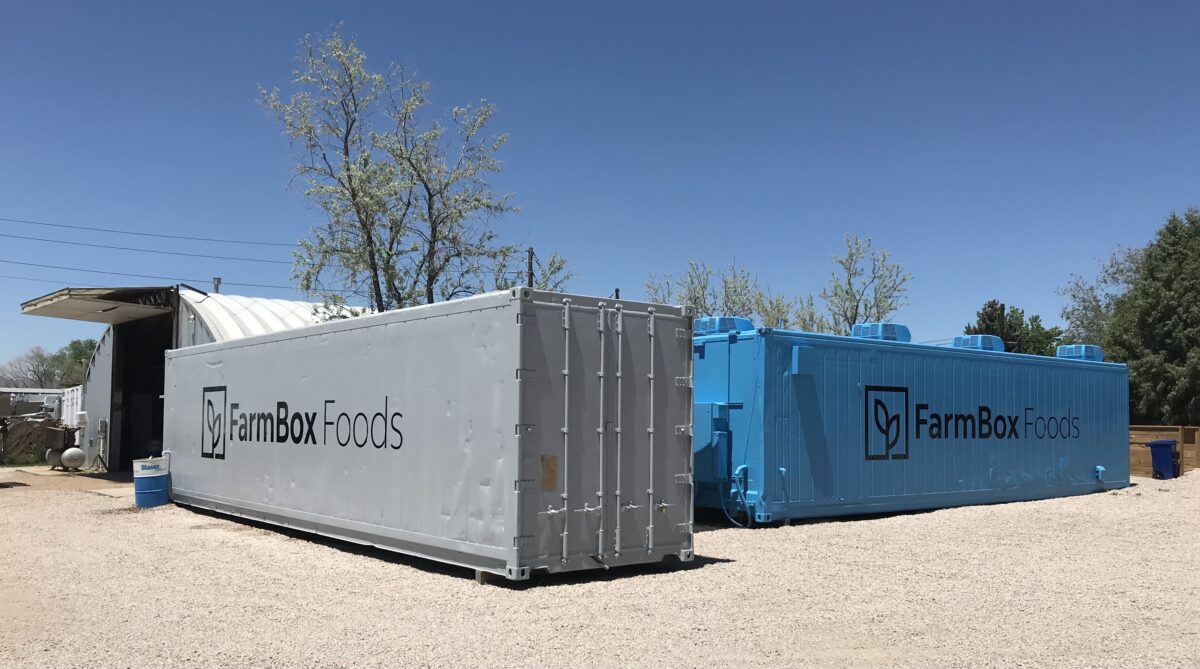
Farming has always been the backbone of society, but for many young people today, the idea of becoming a farmer feels out of reach. Land is expensive, climate conditions are unpredictable and the upfront costs of equipment and infrastructure can be overwhelming. That’s where automated container farms come in, offering a new pathway for the next generation of farmers to thrive.
Unlike traditional models, container farms don’t require hundreds of acres or decades of experience passed down from family. They’re compact, climate-controlled and highly efficient. Most importantly, they harness automation and technology, which makes them a natural fit for younger generations who grew up with smartphones, data analytics and digital tools at their fingertips. With sensors that monitor and control environmental conditions, automated watering and nutrient delivery systems, and detailed dashboards that track results, farming suddenly becomes less about guesswork and more about innovation.
This shift doesn’t just make agriculture more approachable, it makes it exciting. Young people who might never have considered farming can now view it as a career rooted in technology, sustainability and entrepreneurship. Container farms offer consistent, year-round production regardless of outside weather conditions, which speaks directly to a generation deeply concerned about climate change and food security. The controlled environment also uses a fraction of the water and land required by traditional farming, aligning with values of environmental stewardship that many young people hold close.
At the same time, container farms double as living classrooms. Schools, universities and community organizations are already using them to teach students about biology, engineering, natural resources, coding and even business management. Hands-on experience with these systems not only connects learners to where food comes from, but also equips them with skills they can carry into careers in ag-tech, sustainability or entrepreneurship. It’s a form of education that blends science with purpose, and it leaves a lasting impression.
Perhaps most empowering of all is the way container farms connect young people to their communities. These systems allow farmers to grow fresh food locally, reduce reliance on long supply chains and provide nutritious produce to underserved areas. Many young entrepreneurs are finding purpose in this mission, using container farms to build small businesses that serve both their neighborhoods and the environment. By removing many of the traditional barriers to farming, container farms open the door to opportunity and impact.
At its core, this movement is about redefining what it means to be a farmer. Agriculture is no longer confined to wide-open fields and unpredictable harvests. With the rise of automated container farms, farming has become a forward-thinking, tech-enabled career choice that blends innovation with sustainability. For the next generation, it’s not just about growing food—it’s about shaping the future of our food systems in a way that is accessible, resilient, and deeply meaningful.