
In recent years there has been a remarkable rise in the number of people growing culinary and functional mushrooms indoors. 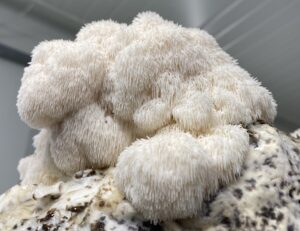 What used to be a niche hobby practiced by expert foragers or small scale farmers has rapidly become a mainstream pursuit embraced by home growers, chefs, wellness enthusiasts and commercial operators. Several factors are driving this shift, and together they paint a picture of a movement that blends food security, health consciousness and a desire for sustainable self sufficiency.
A Growing Appetite for Culinary and Functional Mushrooms
People are more aware than ever of the culinary value of gourmet mushrooms. Varieties like lion’s mane, shiitake, oyster and chestnut mushrooms are now common in restaurants and farmers markets. These mushrooms offer rich textures and deep umami flavors that elevate everything from stir fry to soups to meat free dishes. As demand grows, so does interest from everyday consumers who want fresher better tasting mushrooms than what’s available in typical grocery stores.
At the same time functional mushrooms have surged in popularity. Species like reishi, cordyceps, turkey tail and lion’s mane have long histories in traditional medicine systems. Modern research is exploring their potential benefits for cognition inflammation and immune health. This has sparked substantial interest in growing these mushrooms at home, where consumers can control the environment purity and harvest timing for maximum potency.
Controlled Indoor Environments Create Reliable Results
 One of the biggest reasons indoor mushroom cultivation is booming is the reliability it offers. Mushrooms depend on precise humidity, temperature, airflow and lighting conditions. Outdoor growing is unpredictable and often not feasible for people who live in dry climates cold climates or urban areas. Indoor systems remove those barriers entirely.
Growers can now use everything from small monotubs and grow tents to advanced turnkey systems. Controlled environments help produce consistent yields with less contamination risk and far easier workflow. Companies like FarmBox Foods offer commercial scale solutions such as the Gourmet Mushroom Farm, which provides a fully insulated climate controlled container farm built specifically for start-to-finish mushroom production. This gives growers plug and play functionality with optimized conditions for species like oyster lion’s mane and others that thrive in tight environmental ranges.
Accessibility of Growing Mediums and DIY Options
Another driving force behind the trend is the availability of simple growing mediums. Mushrooms are surprisingly flexible in what they can grow on, as long as the substrate is nutrient rich and properly sterilized or pasteurized.
Common indoor substrates include:
-
Hardwood sawdust blocks
Ideal for species like lion’s mane, oysters and shiitake. These blocks can be purchased ready to fruit or made at home with a pressure sterilizer. -
Straw
A popular choice for oyster mushrooms because it is inexpensive easy to pasteurize and forgiving for beginners. -
Coco coir and vermiculite blends
Often used in hobby grow setups and monotubs especially for functional varieties. -
Coffee grounds
A sustainable option that appeals to small growers though more prone to contamination.
The rise of pre-prepared mushroom grow kits has also made the practice as simple as misting a block and waiting for pins to form. This accessibility invites newcomers to experience the process with little risk or technical knowledge.
A Shift Toward Food Security and Sustainable Production
People are more conscious today of where their food comes from. Supply chain disruptions have pushed many to explore urban agriculture and hyperlocal production. Mushrooms are a perfect fit because they require minimal space and very little water compared to traditional crops. They also grow quickly, with many varieties producing a full harvest within two to four weeks.
Meanwhile, sustainability minded consumers appreciate that mushroom cultivation can repurpose agricultural byproducts such as wood, waste straw and soy bean hulls. Indoor mushroom farms have a small footprint and produce little waste, which aligns well with eco-friendly lifestyles.
A Creative and Rewarding Process
Finally, growing mushrooms is simply enjoyable. Watching mycelium colonize a substrate, and then watching the fruiting bodies emerge, has a sense of wonder attached to it. For many people, the process is meditative and deeply satisfying. It blends science craft and culinary reward. Whether using a countertop kit, a homemade setup or a commercial system like FarmBox Foods’ Gourmet Mushroom Farm, growers experience a sense of connection to their food that is hard to match.
The Future of Indoor Mushroom Cultivation
Given the increasing demand for specialty mushrooms, the rise of functional wellness, the need for sustainable food sources and the availability of accessible indoor systems, this trend is unlikely to slow down. Indoor mushroom growing has entered a new era where anyone from a curious home cook to an aspiring entrepreneur can produce high quality mushrooms year round.
As more people embrace the practice, the world of mushrooms will continue expanding offering new flavors new health insights and new ways to cultivate food in compact, climate-friendly environments.