
Container farming is altering the way we think about agriculture by removing one of its oldest challenges: dependence on seasonal normalcy.
For generations, farmers have worked within the constraints of weather patterns, temperature swings and unpredictable environmental conditions. Today, controlled-environment agriculture, especially through container farms, offers a way to grow crops consistently year-round regardless of what’s happening outside.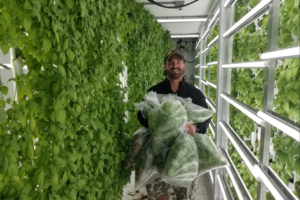
At the heart of container farming is control and assurance. Self-contained systems allow growers to regulate temperature, humidity, light and nutrient delivery with precision. Instead of reacting to seasonal shifts and extreme spells, farmers can create the exact conditions plants need to thrive at all times. Whether it is the dead of winter or the peak of summer, crops inside a container farm experience a stable, optimized environment that eliminates the traditional growing calendar.
We’ve already seen examples this spring; extreme heat has become one of the most damaging seasonal challenges in agriculture, often leading to crop stress, reduced yields and even total loss. In a container farm, temperature is carefully managed through climate control systems, including sensors that take regular readings to maintain ideal growing conditions. Plants are never exposed to scorching heat, which means they can maintain consistent growth rates without the interruptions that heat waves typically cause. That stability not only protects the plants but also allows farmers to plan production with confidence.
Drought similarly presents another major obstacle for traditional farming, especially in regions where water availability is becoming increasingly uncertain (the desert Southwest, for example). Container farms dramatically reduce water usage by employing recirculating hydroponic systems. Water is delivered directly to plant roots, captured, filtered and reused rather than lost to evaporation or runoff. This efficiency ensures that crops receive exactly what they need without being affected by external water shortages. Even in the driest conditions, container farms can continue producing fresh food without interruption.
Storms and severe weather events can devastate outdoor crops in a matter of hours. Heavy rain, high winds and hail can destroy entire fields, wiping out months of work and investment. Container farms do well in eliminating risk almost entirely by housing crops within a durable, enclosed structure. Plants are shielded from the elements, allowing them to grow undisturbed regardless of what is happening outside. For farmers, this protection translates into greater reliability and significantly reduced risk.
Beyond protection, container farms also unlock new levels of predictability and efficiency. Because the growing environment is consistent, farmers can harvest on a set schedule, ensuring a steady supply of produce. This predictability is especially valuable for businesses that rely on consistent inventory, such as restaurants, grocery stores and institutional buyers. Instead of dealing with seasonal shortages or fluctuations in quality, they can depend on a continuous stream of fresh, locally grown products.
In addition, container farms enable farmers to grow crops in locations that were previously unsuitable for agriculture. Urban areas, regions with poor soil quality and climates with extreme seasonal variations can all support productive farming through this technology. By removing the limitations imposed by the natural environment, container farms expand opportunities for growers while bringing food production closer to consumers.
Ultimately, container farming represents a shift from reactive agriculture to proactive agriculture. Rather than adapting to the unpredictability of nature, farmers can now design ideal growing conditions and maintain them year-round, albeit on a smaller scale. The result is healthier plants, more resilient operations and a food system that’s better equipped to handle the challenges of a changing climate.