
Container farming has evolved in the last 20 years from a niche concept into a mainstream solution for organizations looking to localize food production, enhance sustainability initiatives and reduce supply chain risk.
International tourists and U.S. citizens were first introduced to the idea in the 1980s and 1990s at EPCOT in Disney World, specifically the Living with the Land display within the futuristic attraction. It demonstrated what could be (and what now is).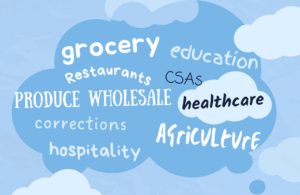
Built on controlled-environment agriculture (CEA) principles, the plug-and-play systems enable growers to cultivate fresh, nutrient-dense crops year-round regardless of climate, season or location. And because container farms operate within a fully insulated, self-contained footprint, they integrate easily into almost any setting from urban corridors to remote locations.
One of the biggest advantages of containerized CEA is its broad adaptability across industries (see the Use Cases page on this website). In the hospitality sector, chefs and food-and-beverage directors appreciate the ability to source hyper-local greens and specialty ingredients just steps from their kitchens. Farm-to-table dining becomes more than a buzzword; it becomes an operational reality that improves flavor, consistency and menu innovation. Hotels and resorts with high guest turnover also find value in the reliability of on-site production, especially in areas where distribution networks are inconsistent.
In the grocery and retail world, container farms play a role in strengthening supply continuity, ensuring freshness and elevating the customer experience. Retailers can supplement existing produce sets with crops grown on location, reducing shrink while highlighting their commitment to freshness and sustainability. Some even integrate farms into their marketing strategy, offering store tours and educational programming that reinforces brand trust. For smaller community grocers and food co-ops, container farms provide both the wholesale growers and the stores themselves with a competitive edge by enabling them to carry premium local produce year-round.
The education and healthcare markets are also rapidly adopting CEA technology as well, and for good reason. Schools, universities and workforce-training programs use container farms as living laboratories, giving students hands-on experience with hydroponics, automation systems and environmental controls. Healthcare systems, senior-living communities and rehabilitation centers leverage the technology to ensure consistent access to clean, pesticide-free produce, often linking fresh food to wellness, dietary therapy and preventative-care initiatives. In both verticals, the farms become tools not just for production but for experiential learning and healthier living.
Of course, container farms are gaining traction in agriculture, corporate sustainability and decentralized food-access initiatives. Farmers are diversifying their operations with year-round specialty crops while corporations integrate farms into ESG strategies to reduce their carbon footprint and support local communities. Nonprofits, municipalities and tribal nations deploy container farms to address food insecurity by bringing high-quality produce directly to underserved areas. Across all these markets the versatility of modular CEA systems continues to redefine what’s possible in modern food production. And we’re only at the beginning.