
Most people probably remember a time in second or third grade when they and their classmates got to plant seeds in disposable paper cups filled with dirt, set them next to the classroom windows, and document their growth.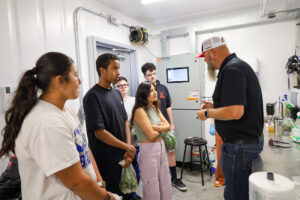
These days, similar lessons are being taught, but on a larger scale and with a technological twist; hydroponics programs in schools are gaining popularity, in part because they turn learning into something students can see, touch and taste. Instead of just reading about how plants grow or watching beans sprout, kids get to grow food themselves using water, nutrients and light rather than soil. These systems can be as simple as a small setup in a classroom (think tower gardens) or as advanced as a container farm on campus. Either way, they make lessons feel more real and help students understand where food actually comes from, which is something many kids are surprisingly disconnected from today.
One of the biggest upsides of school hydroponics programs is how they support healthier school lunches. Fresh produce can be expensive and hard to source consistently, especially for schools in urban areas or food deserts. By growing greens like lettuce, kale, herbs and even tomatoes on site, schools can add fresher, more nutritious ingredients to meals. When students see the same food they helped grow show up on their lunch trays, it creates a direct connection between effort and nourishment and makes healthy food feel more appealing and less forced. Learn how the EPIC Campus in Littleton, Colo., teaches plant science and natural resources, and bolsters nutrition services.
Hydroponics also makes learning more engaging across multiple subjects. Students use science to understand plant growth, math to track progress and yields, and technology to manage lighting and water systems. It’s hands-on, problem-solving education that keeps kids curious and involved. For many students, these programs spark interest in careers related to agriculture, sustainability, or food science, fields they may not have considered before. See how Morgan Community College uses their Vertical Hydroponic Farm.
Another important lesson hydroponics teaches is how to grow food using fewer resources. Compared to traditional farming, hydroponic systems use far less water and space while producing consistent results year-round. Students learn that it’s possible to grow healthy food efficiently, even in small or unexpected spaces. This opens their eyes to how innovative farming methods can help address real-world challenges like climate change, water scarcity and food access. Some students learn to operate the farms as a business and get a full view of what goes into being an entrepreneur. Watch how VALE teaches kids about entrepreneurship.
These programs often reach beyond the classroom, too. Schools sometimes share extra produce with families, food banks or community nonprofit organizations, which helps strengthen local connections. Parents and volunteers may get involved, turning the hydroponics project into a shared experience that brings people together around food and education. It also reinforces the idea that food systems don’t exist in isolation; they’re part of a larger community.
Perhaps most importantly, growing food changes how kids feel about eating it. When students take part in planting, caring for, and harvesting vegetables, they’re more willing to try them and more excited about healthy choices. Over time, that sense of ownership can shape better eating habits and a deeper appreciation for how food is grown. Hydroponics programs don’t just teach kids how to grow plants, they help grow healthier, more informed people.