
The modern-day adage says that most people switch careers approximately 5 times in their life. Maybe you’re perfectly fine with your current job, but it feels like you’ve hit a ceiling. Or maybe the spark just isn’t there anymore, and the work that once kept you engaged doesn’t interest you the way it used to. That’s when the idea of trying something completely different starts to sound appealing—stepping into a new role, learning new skills and finding fresh energy in a new career path.
Farming inside a controlled-climate shipping container is increasingly seen as an attractive business option for retirees, military veterans and individuals seeking a fresh start in their careers. Unlike traditional farming, which often demands backbreaking labor, large tracts of land and a willingness to gamble with unpredictable weather, container farming offers a streamlined, modern alternative that lowers the barriers to entry (especially financially) and creates opportunities for people at different stages of life. 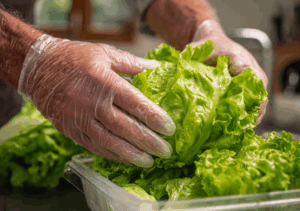
For retirees, container farming provides a way to stay active, socially engaged and purpose-focused without overextending physically or financially. Many retirees crave a second act that balances meaningful contribution with flexibility, and operating a container farm offers exactly that. Because the system is automated and climate-controlled, retirees can manage their farms with part-time effort—often just a few hours each day—while producing something tangible and beneficial for their community. It’s also a potential legacy project, something that can be passed on to children or grandchildren (learn about a FarmBox customer in Nebraska who decided to start a family-run farming business in 2023).
For military veterans, container farming offers both structure and mission. Veterans are well-suited for this kind of work because they’re trained in logistics, operations and discipline, all skills that directly translate to farming within a controlled environment. Many veterans also feel a deep desire to serve their communities after military service, and food production provides an outlet for that calling. Programs that connect veterans with farming often highlight the therapeutic benefits of working with plants and the pride that comes with producing food for others. Plus, reentering the normal workforce comes with its fair share of challenges. Container farms in particular offer an achievable path into agriculture without the steep startup costs of traditional farms.
For career changers, container farming is a pathway into entrepreneurship in a growing industry. Professionals who are leaving corporate jobs or shifting after economic changes often seek work that is more purposeful and personally fulfilling. A container farm offers flexibility, scalability and the ability to tie their new career to emerging trends in sustainability, local food and health. With demand for locally sourced produce continuing to rise among restaurants, schools, hospitals and consumers, container farmers are well-positioned to build profitable businesses while also making a social impact.
Ultimately, container farming blends technology, sustainability and community service into a business model that suits people seeking meaningful, manageable and future-oriented work. For retirees, it’s a way to stay vibrant. For veterans, it’s a new mission. For career changers, it’s a rewarding gateway into purposeful entrepreneurship.